
Dr. Waleed Ezzat, MD, FACS
Board Certified Facial Plastic Surgeon
Consultation $175
About
Connect with Dr. Waleed Ezzat on Social Media
Specialties
- Board Certified Facial Plastic Surgeon
Procedures & Services
Select a service to schedule an appointment · each is approximately 60 minutes
Average Cost of Surgery
Healthcare costs shouldn't be a mystery. Below, you'll find crowdsourced data on the actual costs of surgeries performed by Dr. Waleed Ezzat, submitted anonymously by the patient community. Use this as a guide to better anticipate your own expenses. Please note that final costs can vary based on your specific medical needs.
Obagi Nu-derm
$150
Help us keep this data current and accurate. If you've had a procedure with Dr. Waleed Ezzat, please take a moment to contribute your cost information.
Questions, Answers, and Information Directly from Dr. Waleed Ezzat
Sourced directly from Dr. Waleed Ezzat's social posts and replies.
From Dr. Waleed Ezzat's Instagram
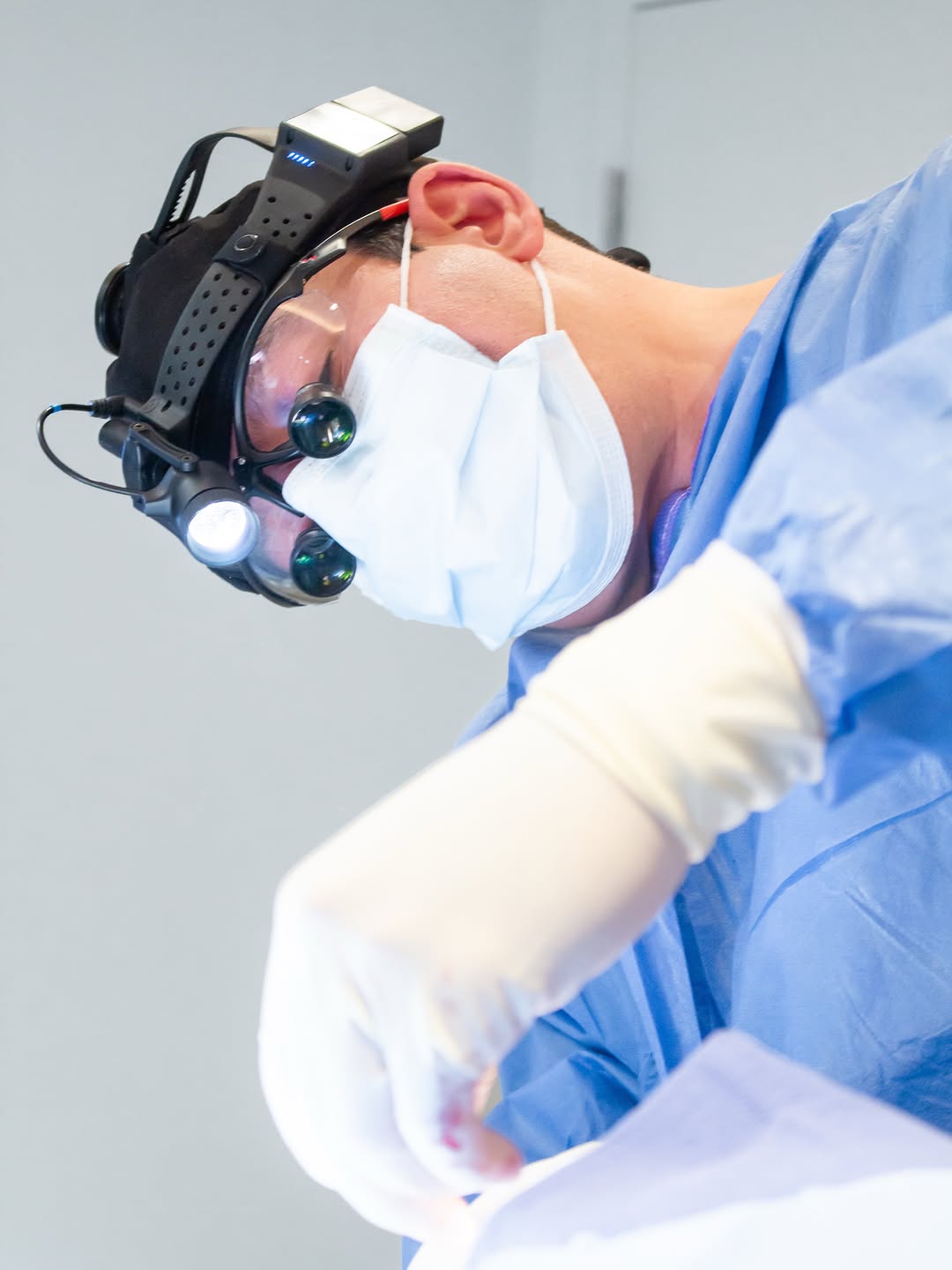
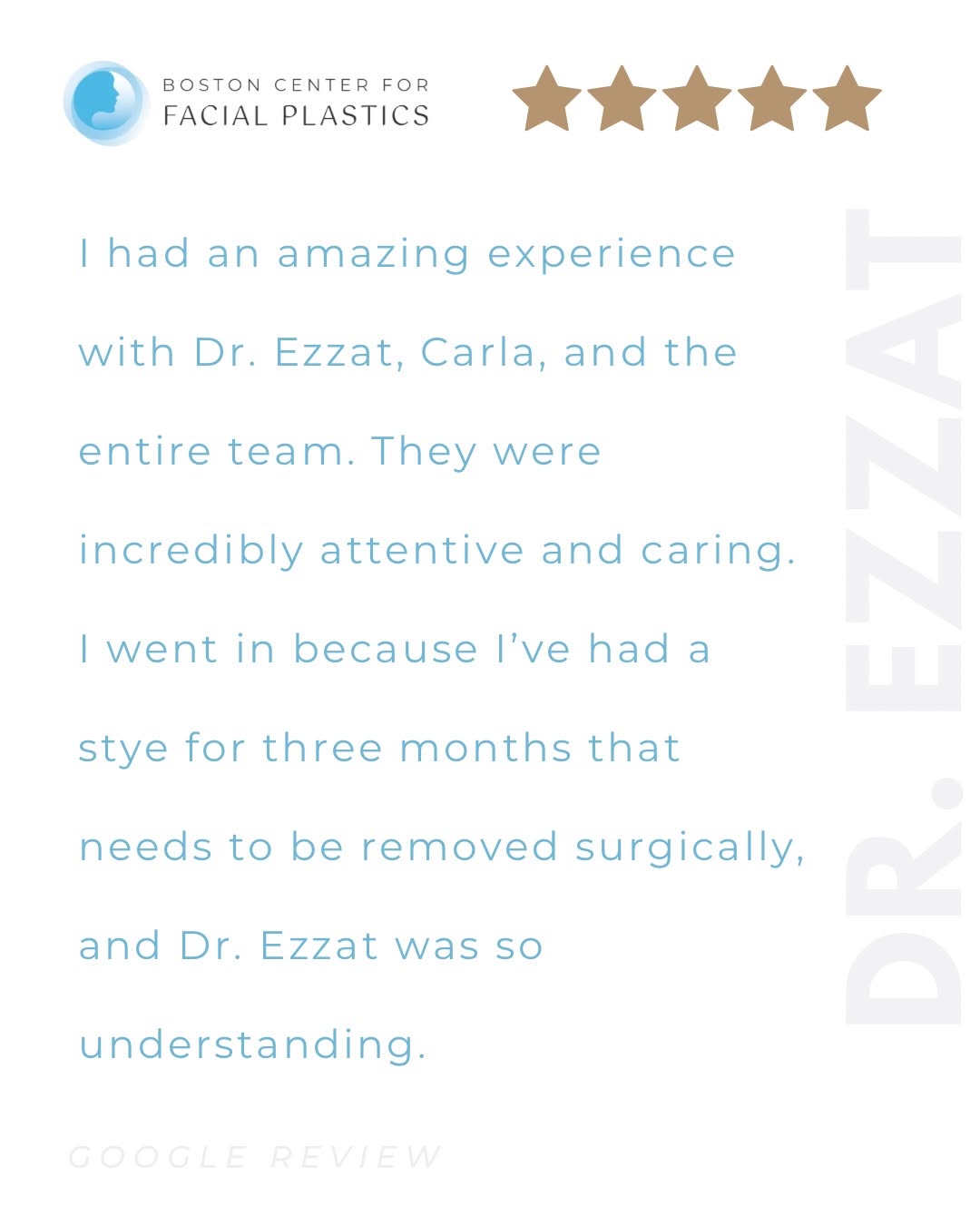
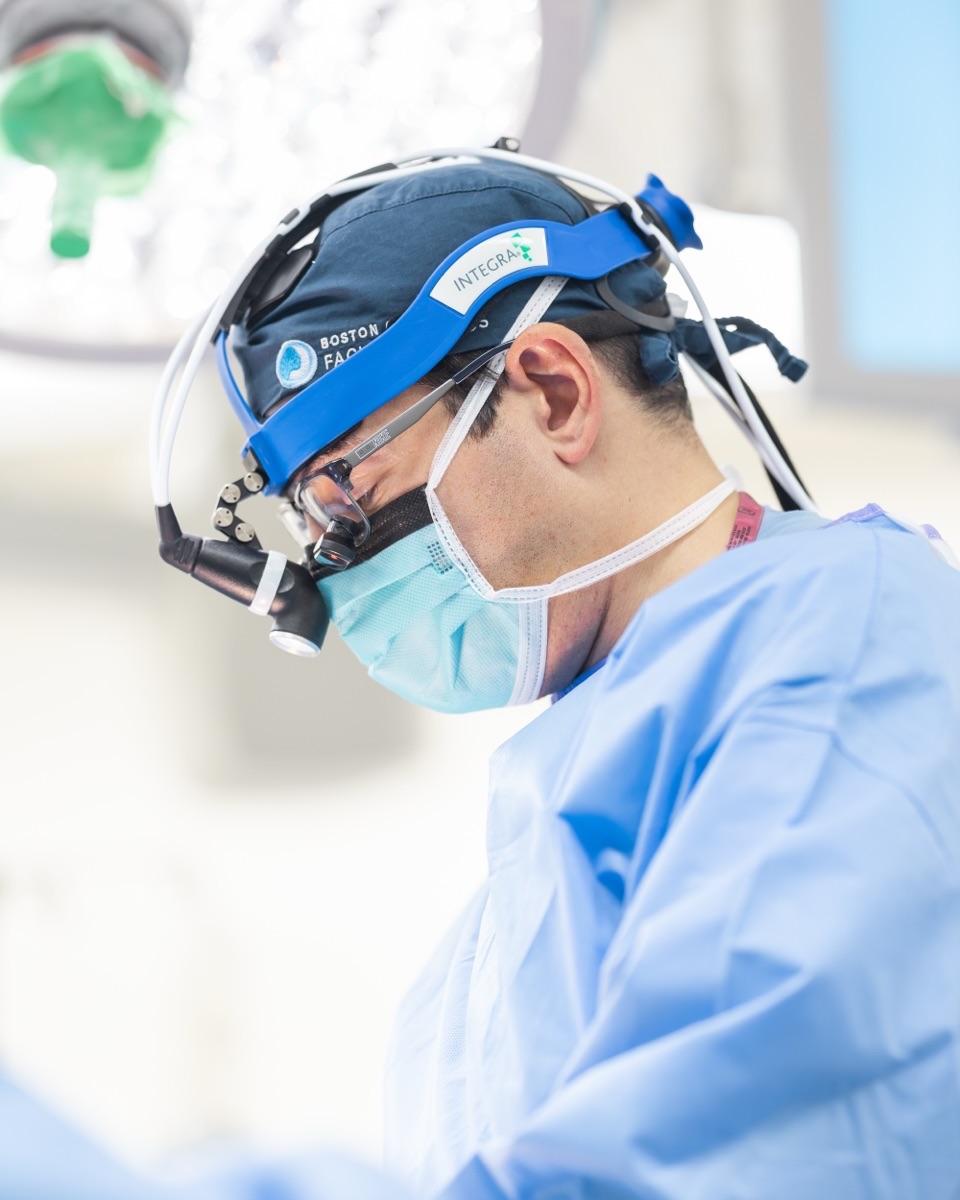
@bostonfacialplastics →Recent photos posted by @bostonfacialplastics, Dr. Waleed Ezzat's own Instagram account. Each image opens the original post on Instagram.
- @bostonfacialplasticsSep 2026
- @bostonfacialplasticsSep 2026
- @bostonfacialplasticsFeb 2026
- @bostonfacialplasticsFeb 2026
Images © Dr. Waleed Ezzat / @bostonfacialplastics, shown here with a link to the original post. If you are the account owner and want an image removed, contact [email protected].
Patient Experience
Dr. Waleed Ezzat Review Summary
Ratings from Other Platforms
The Boston Center for Facial
425 Boylston St 3rd Floor, Boston, Massachusetts
Book a Service Consultation
Consultation fee: $175
Each service is approximately 60 minutes.
Industry Payments
Federal law (the Physician Payments Sunshine Act) requires drug and medical-device companies to report anything of value they give to a physician — consulting and speaking fees, research funding, travel, royalties, and even meals. Medicare publishes all of it in a public database called Open Payments. We show it here so you don't have to go looking for it.
Total received (2024)
$188
Payments
1
Compared to peers
Small
Dr. Waleed Ezzat received $188 across 1 payment in 2024. That is in the lower half for physicians here — totals this size are typically meals at sponsored talks. Most of it was categorised as food and beverage, and the largest single payer was ABBVIE INC..
What this means for your care
- A disclosed payment is a business relationship, not evidence of wrongdoing, and it says nothing on its own about the quality of your care.
- Most payments are small. Across the physicians listed on NavMDs, the single most common category is food and beverage at industry-sponsored talks.
- Larger consulting, speaking or royalty payments mean an ongoing financial relationship with a company whose products your doctor may use or recommend. That is worth knowing about, and it is reasonable to ask about.
- A fair question to ask: “Do you have a financial relationship with the maker of the implant, filler or device you're recommending — and what alternatives did you consider?”
Source: CMS Open Payments, the federal database created by the Sunshine Act. View the full record on CMS Open Payments ↗
Insurance Information
Please contact Dr. Waleed Ezzat's office directly for information about accepted insurance plans.
Help us improve this profile
Do you know which insurance plans Dr. Waleed Ezzat accepts? Share this information to help other patients.
Location & Contact Information
The Boston Center for Facial
425 Boylston St 3rd Floor
Boston, Massachusetts 02116
Office Information
Where does Dr. Waleed Ezzat practice?
Doctor's Office
The Boston Center for Facial (Primary)
425 Boylston St 3rd Floor, Boston, Massachusetts 02116
Hospital Affiliations
Hospital affiliations unknown
Do you know which hospitals Dr. Waleed Ezzat is affiliated with? This information helps patients understand where they might receive care.
Education & Experience
Education
Certifications & Licenses