Sourced directly from Dr. Sheri Salartash's social posts and replies.
What is PRF (Platelet-Rich Fibrin) therapy and how is it used in your practice?
PRF (Platelet-Rich Fibrin) is concentrated blood plasma containing growth factors and stem cells that stimulate healing and regeneration. It is an all-natural therapy offered for procedures like extractions and cavitations to promote better recovery.
How does Dynamic Dental Wellness evaluate and treat gum bleeding and periodontal health concerns?
Occasional gum bleeding can be useful information, indicating various explanations from changes in brushing/flossing to inflammation. The pattern of bleeding (location, frequency, triggers) is important. A professional gum evaluation looks beyond what's visible, including gentle pocket measurements, identification of bleeding points, assessment of gum recession, bite changes, and appropriate imaging of supporting bone. In selected situations, oral DNA testing may provide additional information about specific bacteria, but it's one piece of the diagnostic picture, not a replacement for a full examination. Periodontal therapy is tailored to findings and may include professional cleaning, deeper periodontal care, home-care changes, and follow-up measurements.
How does Dr. Salartash approach dental implant material selection and planning?
At Dynamic Dental Wellness, implant planning begins with considering the whole picture, not a one-size-fits-all answer. While dental implants are commonly made from titanium, ceramic zirconia implants may offer a metal-free option for selected patients. The choice of material is complex, focusing on what makes sense for your mouth, bite, anatomy, and the final tooth's function. Factors considered include bone and anatomy, implant location, bite forces, restoration design, health history, personal preferences, the implant system, and the clinician’s experience. Patients are encouraged to ask what material is planned, why it was selected, and what long-term maintenance may involve.
What should I know about oral cancer screening at Dynamic Dental Wellness?
While most mouth changes are not cancerous, certain symptoms warrant professional evaluation rather than self-monitoring, such as a sore that keeps returning, a white or red patch, a lump or thickened area, bleeding without an obvious reason, or swallowing that suddenly feels different. An oral cancer screening is a calm and straightforward procedure. During the screening, the practice performs an intraoral examination, palpates areas of the head and neck when appropriate, and documents or refers anything needing closer evaluation. The purpose is not to assume the worst, but to identify issues that might be overlooked in daily life, aligning with the practice's philosophy of paying attention to the whole person.
How are dental materials selected at Dynamic Dental Wellness, and what about biocompatibility testing?
Dental materials cannot be simply categorized as 'good' or 'bad.' The selection process involves considering various factors, including your medical history, known allergies or previous reactions, where the material will be placed, the forces it needs to withstand, your aesthetic and metal-free preferences, and the evidence supporting its specific use. In some situations, specific concerns may lead to a discussion about targeted biocompatibility or allergy testing with an appropriate healthcare professional. However, testing is not a definitive solution and cannot identify one universally safest material for every person. Dynamic Dental Wellness believes patients deserve to understand what is being used in their care and why, encouraging them to ask: 'Why does this material make sense for my health, my mouth, and this treatment?'
What are the signs of daytime jaw clenching (bruxism) and how can I relieve it?
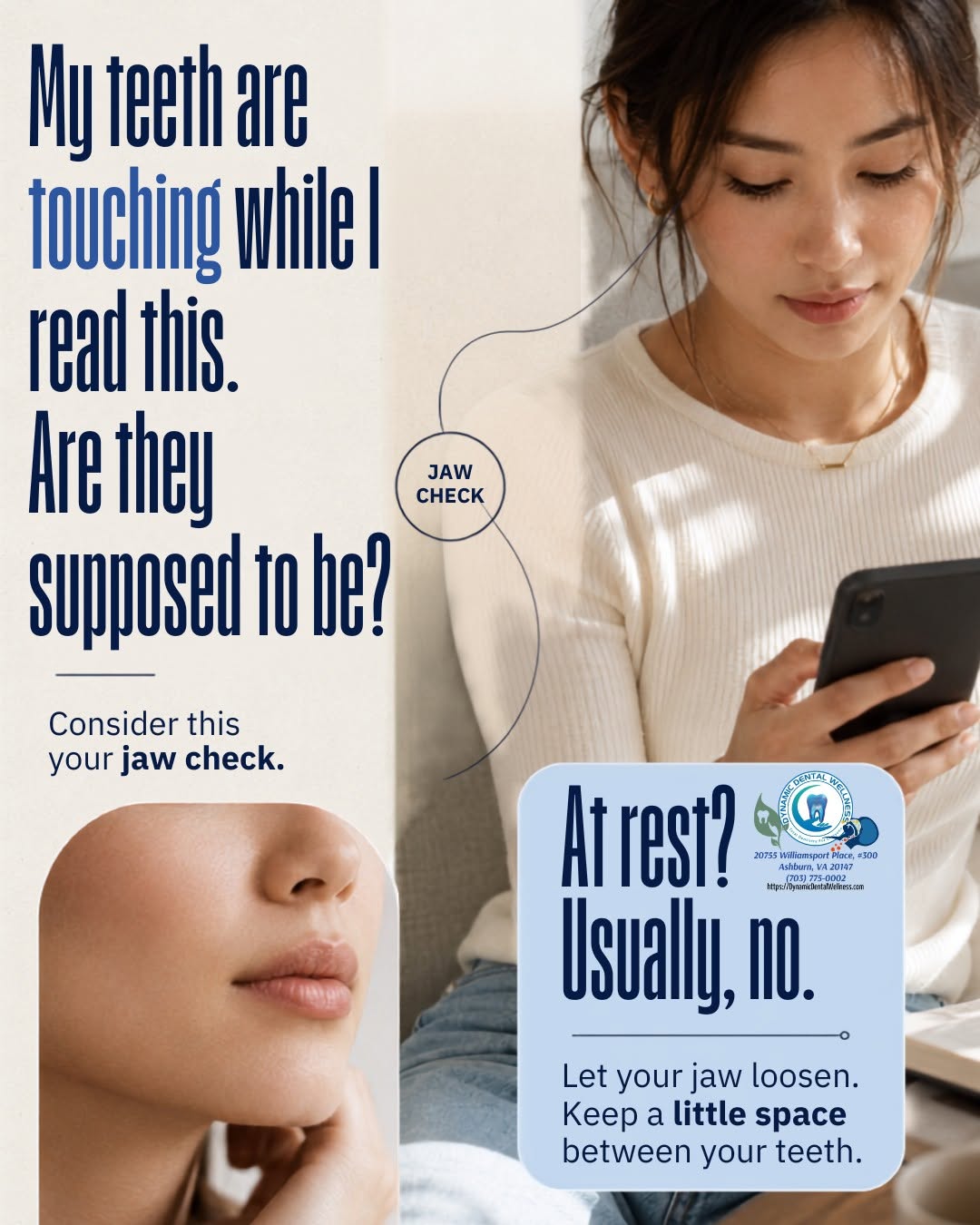
Unless you are chewing or swallowing, your teeth generally should not be touching, and your jaw muscles should feel relaxed with a little space between your upper and lower teeth. Daytime clenching can be sneaky, happening during activities like answering emails, driving, exercising, cooking, or scrolling. You may not hear grinding or notice obvious damage, but symptoms can include your jaw feeling tired by evening, tight temples, a sensitive tooth, or suddenly realizing your teeth have been pressed together for an extended period. To relieve tension, try to unclench, drop your shoulders, and let your jaw loosen. If jaw tension, headaches, tooth wear, or sensitivity persist, a dental evaluation can help explore contributing factors.
How does perimenopause affect oral health, and how does Dynamic Dental Wellness address it?
Hormonal changes during perimenopause can influence the mouth, but they are not the only explanation for oral changes. Medications, hydration, gum health, and other health conditions can cause similar changes, which is why they should not be dismissed as 'just aging.' Dry mouth, for instance, is more than just feeling thirsty, as saliva is crucial for tasting, chewing, swallowing, and protecting teeth. At Dynamic Dental Wellness, the diagnostic process involves evaluating what oral changes have occurred, when they started, and what else may be contributing before discussing the next steps. Your mouth belongs in the perimenopause conversation too.
Why is a complete medication list important for my dental appointment, and what should I include?
Dental professionals require all medication information, even for those seemingly unrelated to your teeth. This includes prescription medications, over-the-counter products, vitamins, and supplements. This information helps your dental team understand factors like dry mouth, bleeding considerations, healing, blood pressure, and how to plan your treatment. It's important to remember that bodies and medication histories are complex, so one medication doesn't automatically cause a specific symptom. Before your next appointment, take a clear photo of your current medication list, including names and doses if possible, and inform the dental team of any changes. Crucially, never stop or change a medication based on a dental concern without speaking with the healthcare professional who prescribed it.
What is digital bite analysis and how is it used at Dynamic Dental Wellness?
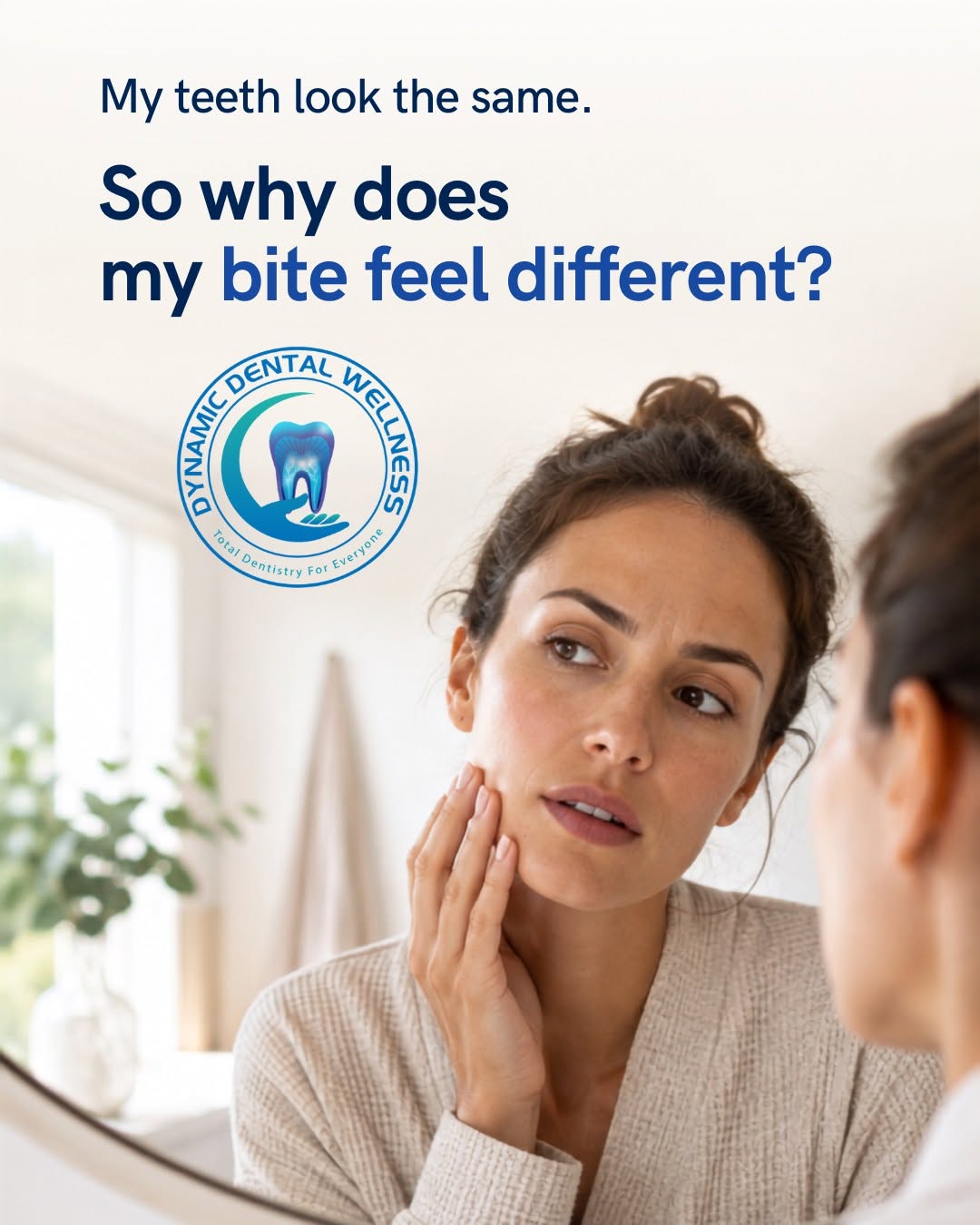
A bite can gradually change due to factors like tooth wear, dental work, small tooth movements, a missing tooth, or how jaw muscles compensate. Digital bite analysis provides measurable information about how your teeth come together, allowing the conversation to begin with understanding what changed, rather than guessing. Identifying a bite issue or using digital bite analysis does not automatically mean treatment; sometimes, the first step is simply getting a clearer answer. At Dynamic Dental Wellness, we examine the teeth, bite, jaw, and everyday symptoms together as part of our comprehensive assessment.
What constitutes a dental emergency and what should I do?
Common dental emergencies include a broken tooth, a knocked-out adult tooth, significant pain, or swelling. If you experience any of these, you should call the practice immediately. At Dynamic Dental Wellness, we can help you understand the next step and the appropriate timing for your specific situation. You do not have to sit with uncertainty or try to diagnose dental emergencies through a late-night search.
How do my dietary habits, like consuming acidic drinks or coffee, affect my oral health, and what are your recommendations?
Lemon, for example, is acidic, and sipping lemon water slowly or brushing immediately afterward can be a rough combination for enamel over time. For acidic drinks, a gentler approach for your teeth is to enjoy them with breakfast instead of nursing them all morning, rinse with plain water afterward, and give your mouth a little time before brushing. Coffee does not have to be detrimental to oral health; drinking it in one sitting rather than sipping for hours, and following with water, can make a difference. No perfect routine is required, just small changes that support your smile.