
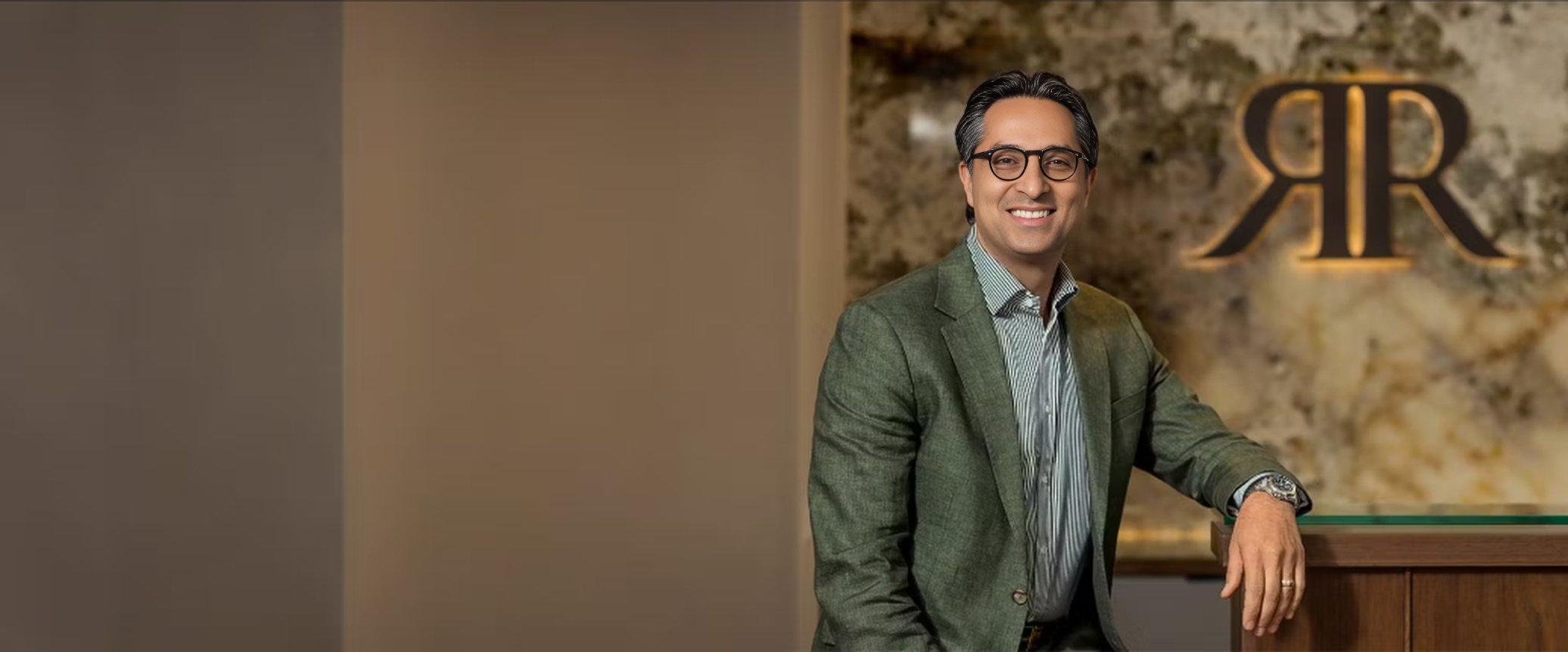
Dr. Rady Rahban, MD, FACS
Board Certified Plastic Surgeon
20+ years of experience · self-reported
In Dr. Rady Rahban's own words
How Dr. Rady Rahban describes their own approach, from their Instagram posts. Each statement links to the original.
Approach
- Dr. Rady Rahban considers placing implants through the belly button or armpit to be not ideal.
- Dr. Rady Rahban dislikes high volume liposuction and does not perform it.
- The doctor emphasizes the importance of selecting the right procedure, the right patient, and the right amount of fat removal.
Specialization
- I’m breaking down the unique considerations of male plastic surgery, from rhinoplasty, eyelid surgery, and facelifts to gynecomastia and body contouring after major weight loss
Technique
- That’s why, for the last 10 years, I’ve chosen the breast-fold incision for my breast augmentation patients
- What I avoid is high-volume liposuction when the amount of fat being removed can compromise the quality of the result
- This is why I prefer not basing size solely on numbers and customize based on anatomy
Training & credentials
- Dr. Rady Rahban has experience performing tummy tucks to address issues like scar tissue and immobility of abdominal skin, often resulting from high volume liposuction.
Safety
- Dr. Rady Rahban avoids placing implants through the areola to prevent capsular contracture by minimizing contamination.
- Dr. Rady Rahban avoids placing implants through the areola to prevent reducing a patient's breastfeeding capacity.
Results
- Beautiful nose. Functioning nose. Happy patient. That’s a success if I ever see one
Statements are quoted or closely paraphrased from Dr. Rady Rahban's own public posts and are their claims, not NavMDs' medical advice. Doctors can correct or remove any item via their claimed profile or support [at] navmds.com.
About
Connect with Dr. Rady Rahban on Social Media
Specialties
- Board Certified Plastic Surgeon
Procedures & Services
Select a service to schedule an appointment · each is approximately 60 minutes
Procedure details
Everything on this page about each procedure Dr. Rady Rahban offers: pricing in context, what they've said about it, related videos and photos, and what patients ask.
Average Cost of Surgery
Healthcare costs shouldn't be a mystery. Each figure below is the average of the total costs patients reported in their own published reviews of Dr. Rady Rahban, with the number of reports and the years they were written. Prices are not adjusted for inflation and are not a quote: your final cost is set at consultation and depends on your specific medical needs. How we calculate these prices
Breast Augmentation
$13,500
1 patient report · 2024
Above typicalTypical in Beverly Hills: $6,775–$11,519 (median $8,250, 42 reports) compare ↗
Breast Lift With Implants
$32,000
1 patient report · 2024
Above typicalTypical in Beverly Hills: $10,000–$15,250 (median $12,138, 12 reports) compare ↗
Help us keep this data current and accurate. If you've had a procedure with Dr. Rady Rahban, please take a moment to contribute your cost information.
Questions, Answers, and Information Directly from Dr. Rady Rahban
Sourced directly from Dr. Rady Rahban's social posts and replies.
Technologies & brands Dr. Rady Rahban mentions
Devices, implants, injectables and products named in Dr. Rady Rahban's own posts and videos. A mention is not an endorsement; ask the office what they currently offer.
Patient Experience
Dr. Rady Rahban Review Summary
Ratings from Other Platforms
Rady Rahban Plastic Surgery
152 S Lasky Dr., #100, Beverly Hills, California
Book a Service Consultation
Each service is approximately 60 minutes.
Insurance Information
Please contact Dr. Rady Rahban's office directly for information about accepted insurance plans.
Help us improve this profile
Do you know which insurance plans Dr. Rady Rahban accepts? Share this information to help other patients.
Location & Contact Information
Rady Rahban Plastic Surgery
152 S Lasky Dr., #100
Beverly Hills, California
Office Information
Where does Dr. Rady Rahban practice?
Doctor's Office
Rady Rahban Plastic Surgery (Primary)
152 S Lasky Dr., #100, Beverly Hills, California
Hospital Affiliations
Hospital affiliations unknown
Do you know which hospitals Dr. Rady Rahban is affiliated with? This information helps patients understand where they might receive care.
Education & Experience
Certifications & Licenses