NavMDs
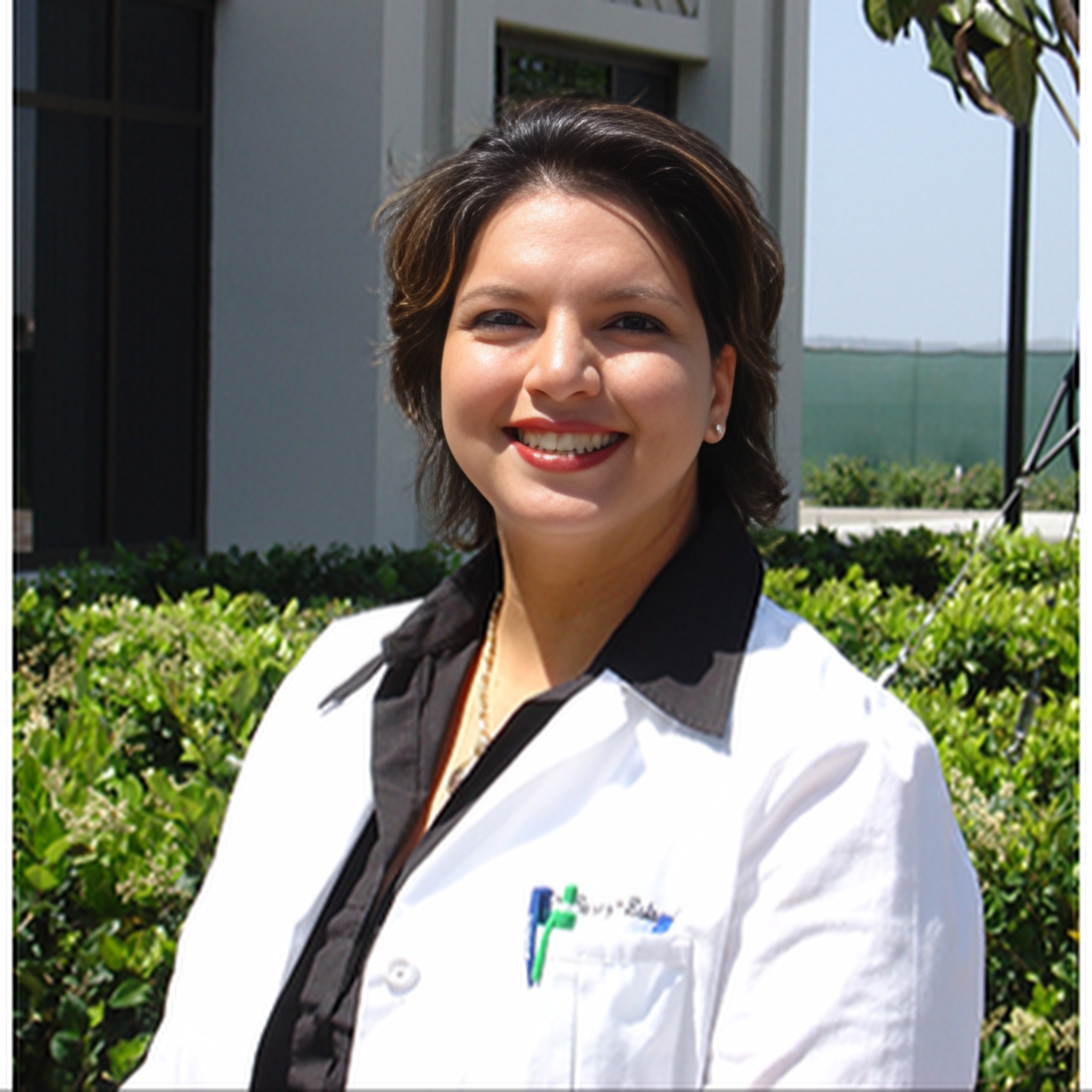
Dr. Patricia Faraz, MD - Board Certified OB-GYN in Mission Viejo, California

Dr. Patricia Faraz, MD

Board Certified OB-GYN

Mission Viejo, California
● Taking New Patients
4.26(97 ratings)

✓ Free consultation

Dr. Patricia Faraz, MD - Board Certified OB-GYN in Mission Viejo, California

PWC Medical Aesthetics

30492 Gateway Pl, California

(877) 696-3622

Book a Service Consultation

Free consultation

Each service is approximately 60 minutes.

About

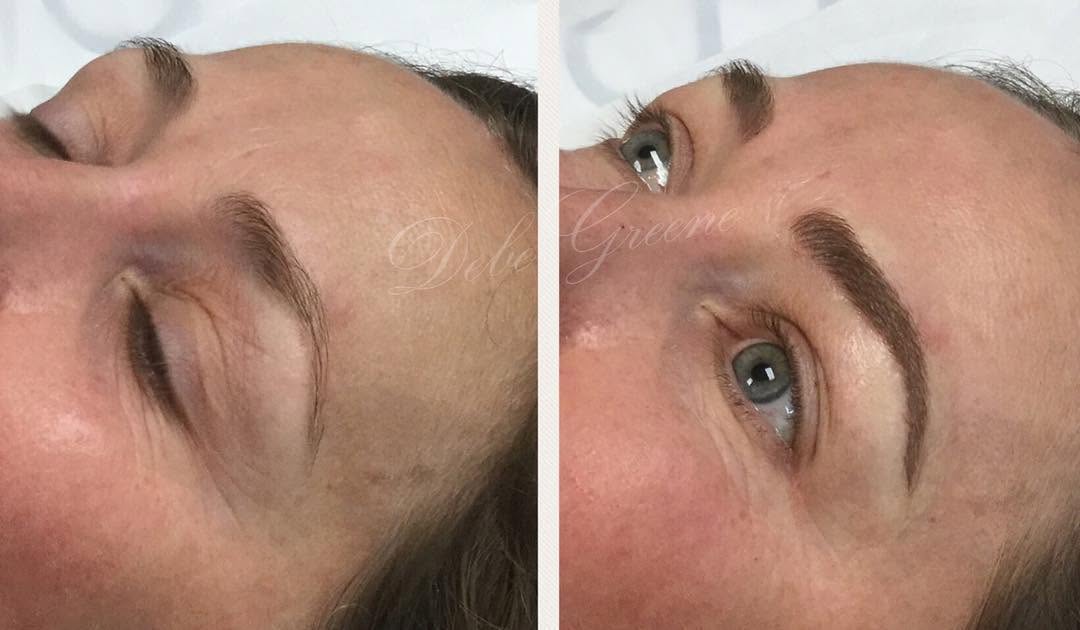
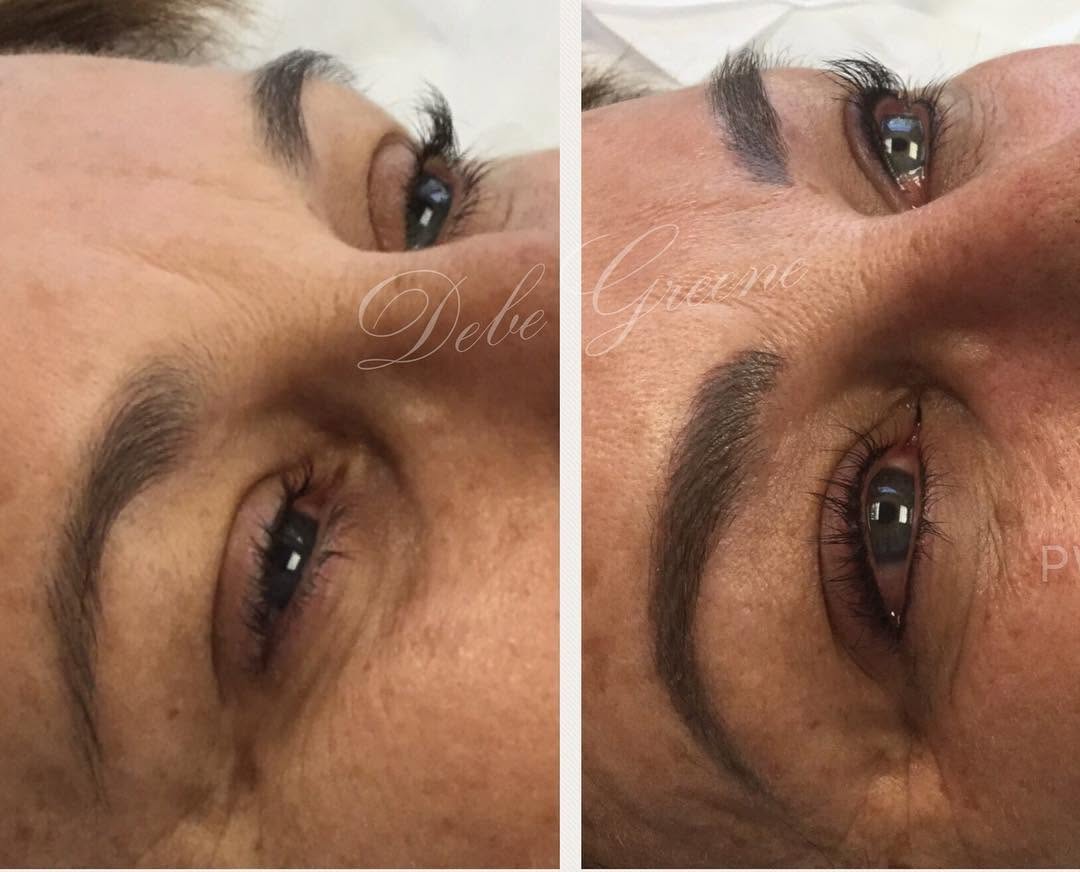
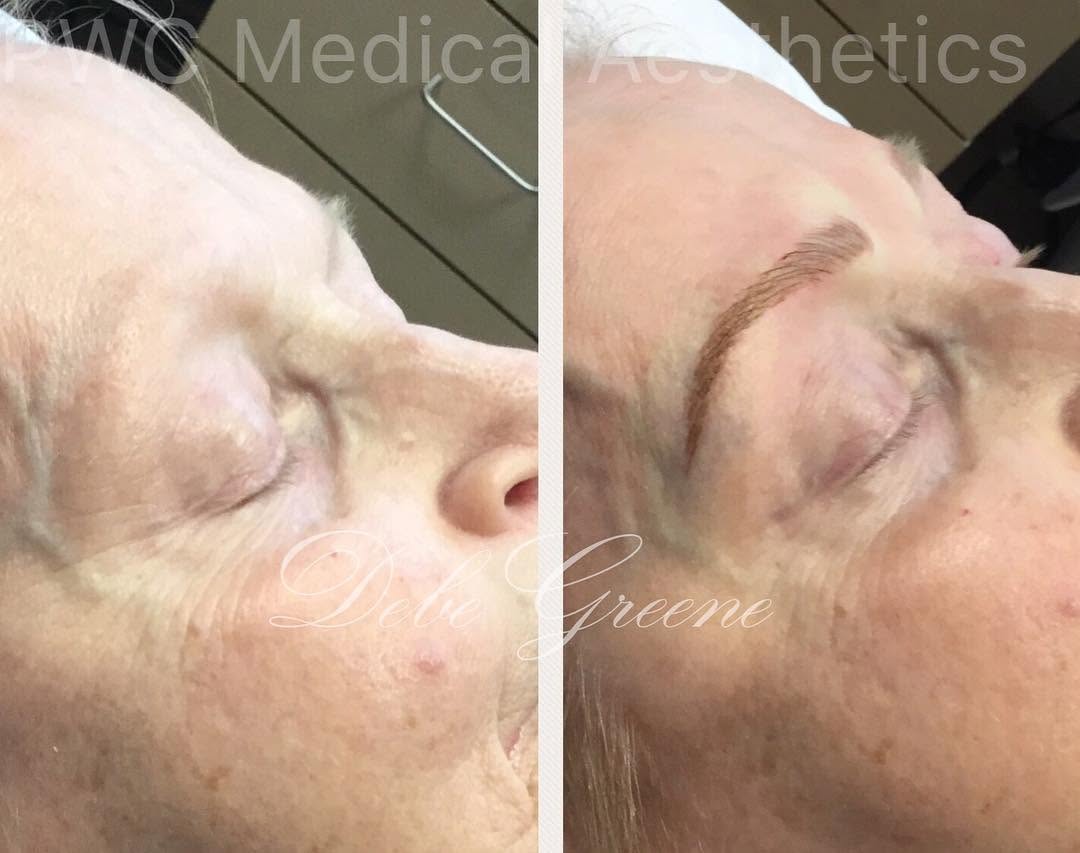
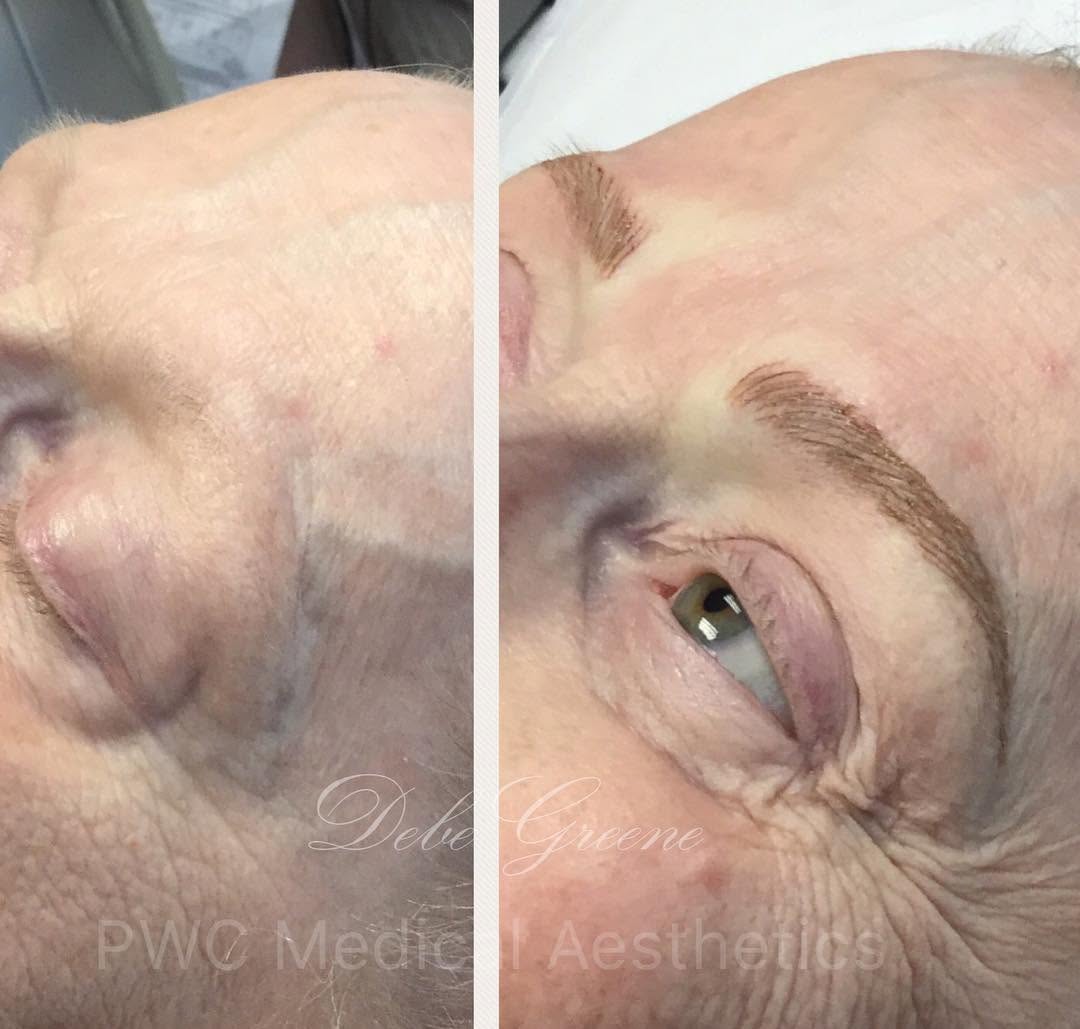
Dr. Patricia Faraz is a board-certified OB-GYN and medical aesthetics specialist practicing in Mission Viejo, California. With over 27 years of experience, Dr. Faraz is affiliated with Pacific Women's Center and PWC Medical Aesthetics. She is a fellow of the American Congress of Obstetricians and Gynecologists and offers a range of services from general obstetrics and gynecology to aesthetic procedures like microblading and Botox. Patients praise her professionalism and beautiful office environment.

Connect with Dr. Patricia Faraz on Social Media

Specialties

  • Board Certified OB-GYN

Procedures & Services

Select a service to schedule an appointment · each is approximately 60 minutes

Average Cost of Surgery

Healthcare costs shouldn't be a mystery. Below, you'll find crowdsourced data on the actual costs of surgeries performed by Dr. Patricia Faraz, submitted anonymously by the patient community. Use this as a guide to better anticipate your own expenses. Please note that final costs can vary based on your specific medical needs.

Juvederm

$521

Microblading

$551

Help us keep this data current and accurate. If you've had a procedure with Dr. Patricia Faraz, please take a moment to contribute your cost information.

Patient Experience

Dr. Patricia Faraz Review Summary

4.3
Dr. Faraz receives consistently high ratings, averaging 4.3 out of 5 stars across various platforms. Patients frequently compliment her skill and professionalism.

Ratings from Other Platforms

healthgrades.com

4.3 out of 5

Based on 64 reviews

View on healthgrades.com

yelp.com

3.7 out of 5

Based on 88 reviews

View on yelp.com

Google Reviews

4.6 out of 5

Based on 138 reviews

View on Google Reviews

Questions, Answers, and Information Directly from Dr. Patricia Faraz

Sourced directly from Dr. Patricia Faraz's social posts and replies.

What are the detection rates and mortality reduction benefits of mammography?
Mammograms are very effective at detecting breast cancer in approximately 85-87% of cases. Mammography remains the most validated screening tool for decreasing breast cancer mortality by about 20-30%.
What are the recommendations for mammogram screening?
The practice recommends annual screening mammograms for women over 40 who are at average risk.
What are the benefits of 3D Tomo mammography?
3D Tomo mammography machines are beneficial for all patients, especially those with dense breast tissue, because they can see through the layers of the breast more effectively than traditional mammography.
What are the risks and benefits of mammogram radiation?
The radiation exposure from a mammogram is equivalent to about seven to eight weeks of natural background radiation. There is an extremely low mortality risk associated with radiation-induced cancers, which is substantially outweighed by the mortality benefit from early breast cancer detection.
Why are screening mammograms important even without symptoms or family history?
The purpose of a screening mammogram is to detect breast cancers before symptoms become apparent. Even if someone feels fine, breast cancer may still be present, and by the time symptoms appear, the cancer may be more advanced and require more intensive treatment. The majority (85-90%) of breast cancers observed do not have a family history.
What level of discomfort should I expect during a mammogram?
Most women report low to moderate discomfort during their mammogram. Less than 15% report severe pain, but this pain typically dissipates within about 10 minutes.
What is delayed cord clamping and what are its benefits?
Delayed cord clamping involves waiting 30-60 seconds before clamping the cord after birth, allowing more iron-rich blood to flow from the placenta to the baby. This increases the baby's iron stores in the first few months of life, reduces the risk of iron deficiency anemia (common in infancy), provides better transitional circulation, leads to a better establishment of red blood cell volume, and offers additional antibodies for a smoother transition to extra uterine life.
When should an expecting mother come to the hospital for labor?
Generally, you should come to the hospital when contractions are every five minutes apart, lasting one minute, and have been occurring for about an hour. However, if you are ever in doubt, or experience decreased fetal movement, your water breaks, or you have vaginal bleeding, you should come in for evaluation immediately. The practice is available 24/7 to assist you.
What pain management options are available during labor?
Patients have many choices for pain management during labor. The practice offers labor balls, assists with position changes, warm showers, and supports breathing exercises. An anesthesia team is also available on site for patients who choose to have an epidural.
What is the approach to immediate post-birth care?
Immediately after birth, the practice focuses on keeping both the mother and baby safe and connected. This may include skin-to-skin time, delayed cord clamping, assistance with feeding, and newborn checks. The team guides patients through the entire birth process.
What is Dr. Faraz's perspective on childhood vaccinations?
As a doctor, Dr. Faraz has personally observed the detrimental effects of vaccine-preventable diseases on children. She believes vaccines are one of the safest and most effective ways to protect children and provide peace of mind for parents in various social situations. She views vaccination as both a medical and a parenting decision, having personally chosen to vaccinate her own children, and encourages individuals to consult their doctor to make an informed choice for their family.
What are common misconceptions about colon cancer?
Common misconceptions about colon cancer include believing it only affects older people, that you must feel sick for something to be wrong, or that it will always show symptoms early on. In reality, colon cancer can manifest quietly and subtly, and feeling okay on the outside does not guarantee you are okay on the inside.
What are the early warning signs of colon cancer and when should I get checked?
Early warning signs of colon cancer can be subtle and include a change in bowel habits, abdominal pain, rectal bleeding, blood in the stools (or when wiping), prolonged fatigue, or unintentional weight loss. While these symptoms don't always mean you have cancer, they do mean you need to get checked by a doctor.
What should I know about colonoscopy prep and its benefits?
Many people worry about colonoscopy prep, but it's usually very manageable, requiring some small diet changes and taking a medication to clean out the colon. In the end, it's a crucial step that helps prevent colon cancer or detect it early, as colon cancer is a nearly preventable disease.
What are the current recommendations for colon cancer screening?
Individuals aged 45 or older, or those with a family history of colon cancer, should talk to their doctor about screening. For younger patients experiencing any signs or symptoms of colon cancer, it is also important to consult a doctor.
Why is colon cancer increasingly affecting younger patients?
Colon cancer is increasingly affecting younger patients, a global trend observed over the past several decades. Research suggests multiple factors contribute to this rise, including changes in diet, environmental factors, obesity, diabetes, early exposure to antibiotics, and changes in the gut microbiome.

Insurance Information

Please contact Dr. Patricia Faraz's office directly for information about accepted insurance plans.

Phone: (877) 696-3622

Help us improve this profile

Do you know which insurance plans Dr. Patricia Faraz accepts? Share this information to help other patients.

Location & Contact Information

PWC Medical Aesthetics

30492 Gateway Pl

Mission Viejo, California 92694

Office Information

Phone: (877) 696-3622

Where does Dr. Patricia Faraz practice?

Doctor's Office

PWC Medical Aesthetics (Primary)

30492 Gateway Pl, Mission Viejo, California 92694

(22 reviews)

Hospital Affiliations

Hospital affiliations unknown

Do you know which hospitals Dr. Patricia Faraz is affiliated with? This information helps patients understand where they might receive care.

Education & Experience

Certifications & Licenses

Board Certified Ob-gyn
Fellow Of American Congress Of Obstetricians And Gynecologists

Frequently Asked Questions

Can you make an appointment with Dr. Patricia Faraz online?
The provided information doesn't confirm online booking availability. It's best to contact the office directly at (877) 696-3622 or check their website.
Does Dr. Patricia Faraz offer telehealth?
The provided information does not indicate whether Dr. Faraz offers telehealth services. Contacting the office directly is recommended for confirmation. MemorialCare offers two virtual care options: Quick Care for common illnesses (cold, flu, UTIs, yeast infections, pink eye, stomach issues, skin rashes) and Virtual Urgent Care for more complex symptoms (mild allergic reactions, mild-moderate asthma, medication reactions, STI testing guidance, worsening symptoms). Both options provide easy, convenient, and reliable access to care.
What do patients have to say about Dr. Patricia Faraz?
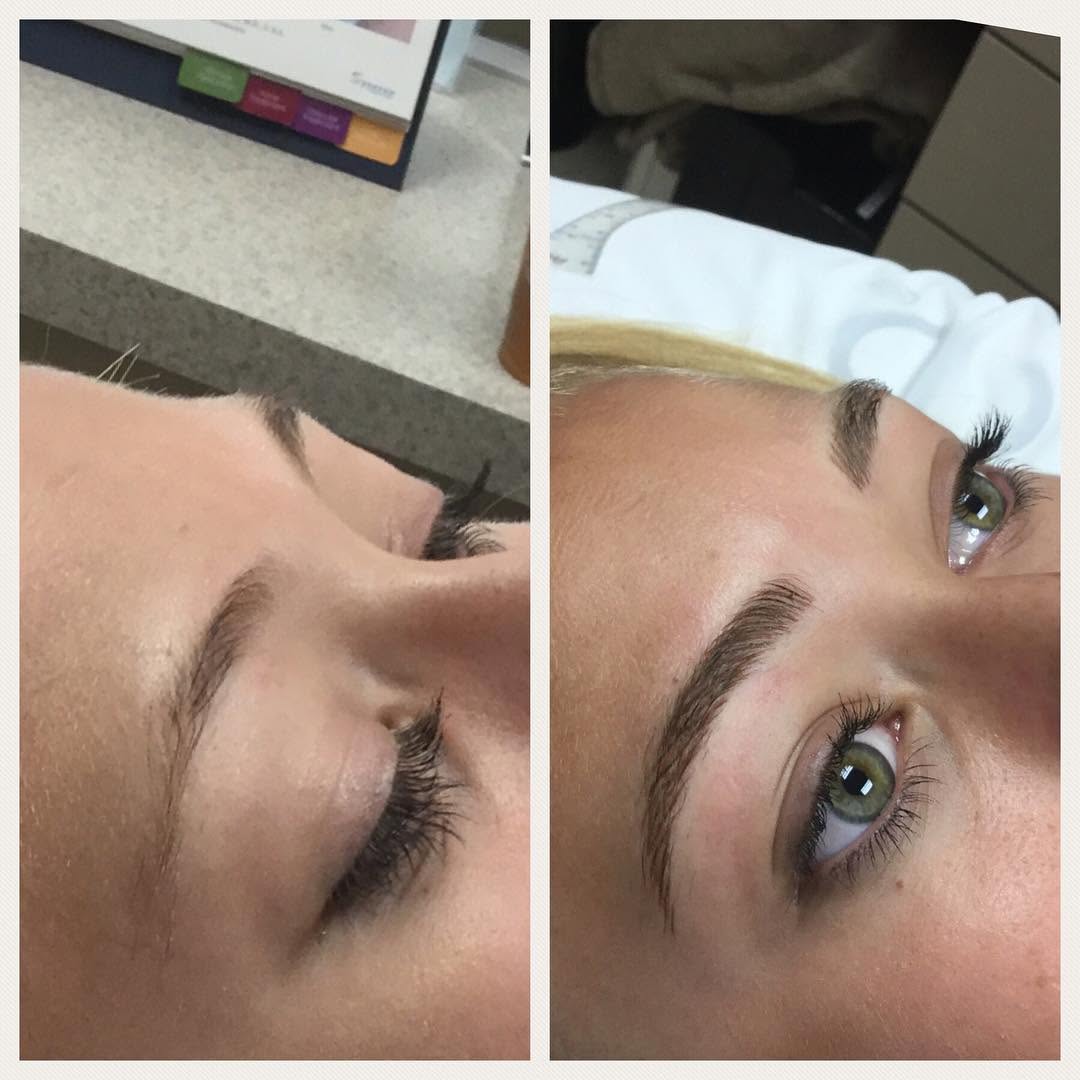
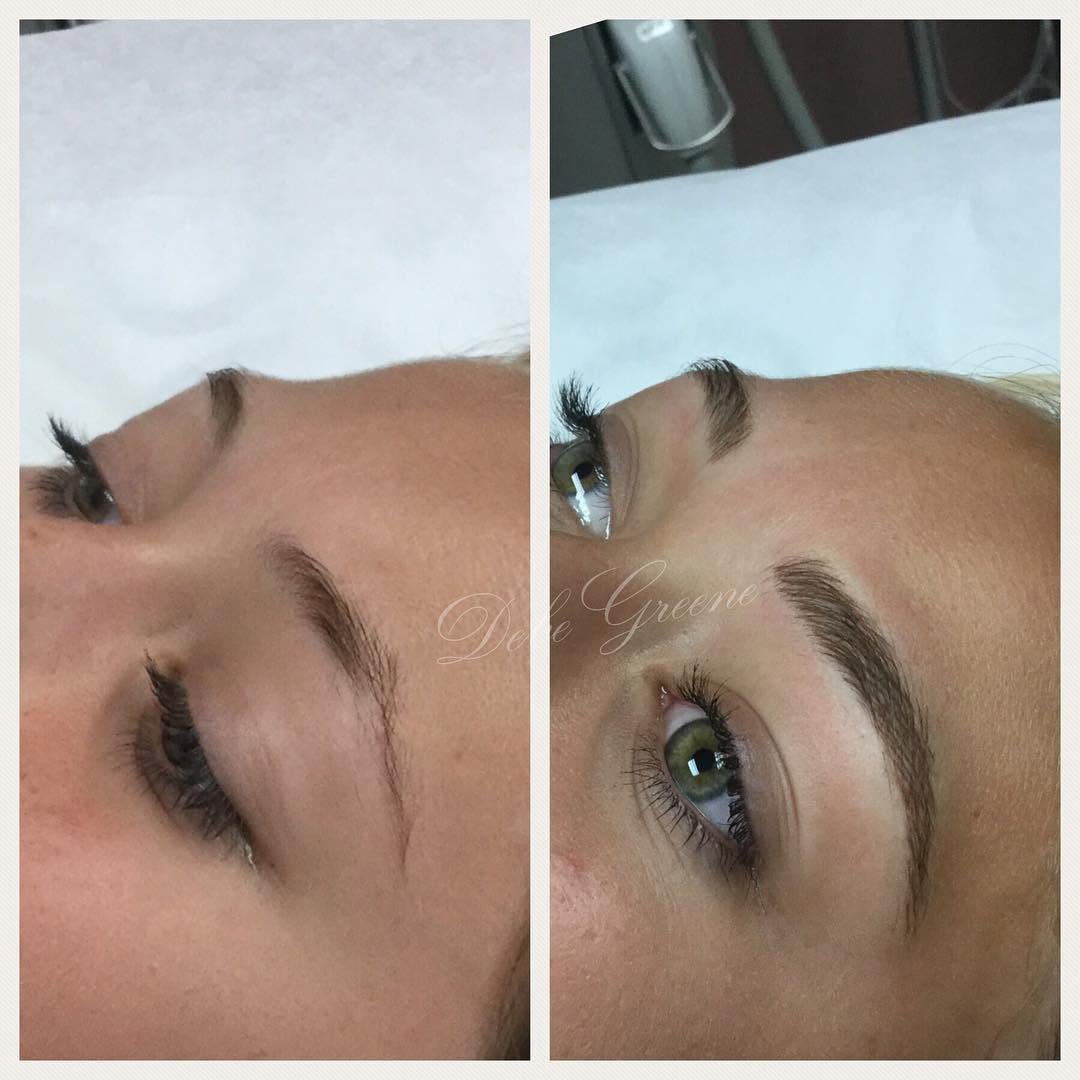
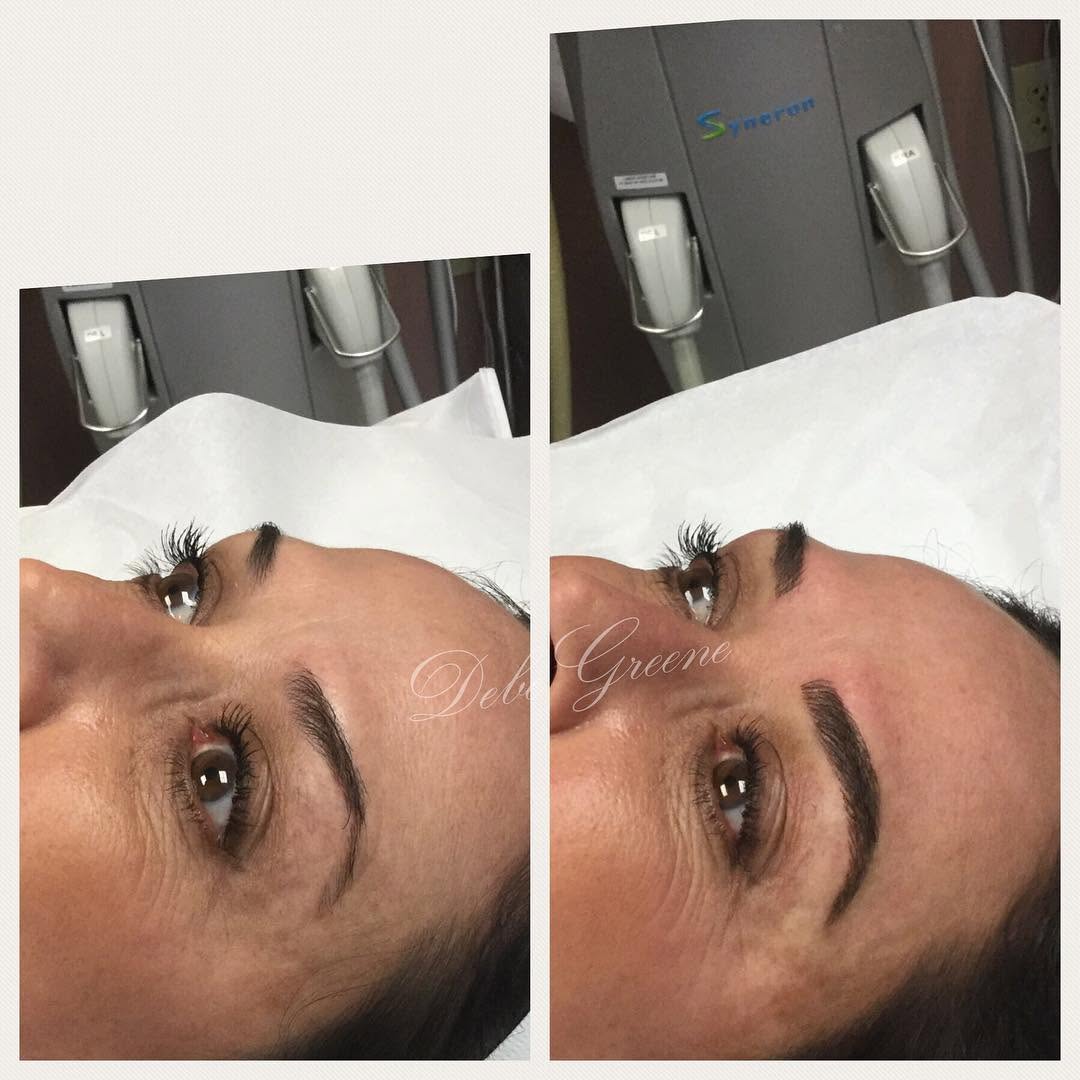
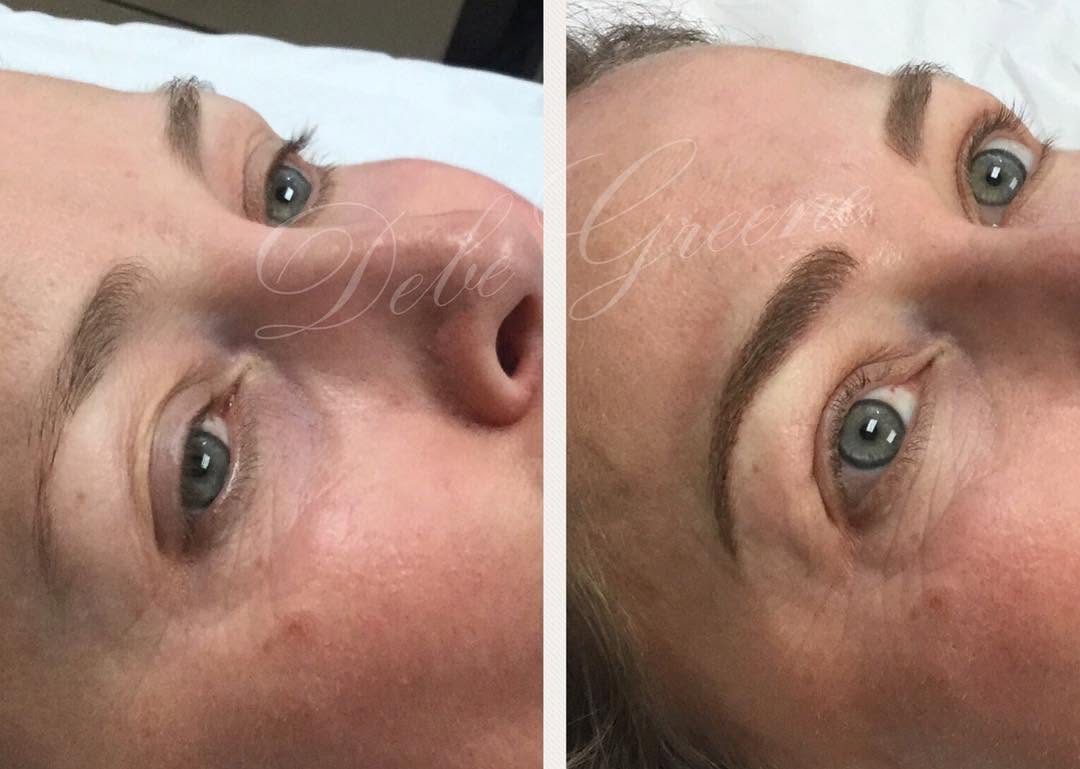
Patients rave about Dr. Faraz's aesthetic work, particularly her microblading and Botox treatments. They also appreciate her friendly staff and professional office environment.
What areas of care does Dr. Patricia Faraz cater to?
Dr. Faraz's areas of care include general obstetrics and gynecology, as well as medical aesthetics. Aesthetic services offered include microblading, Botox, Juvederm, and microneedling. Emphasizes proactive health screenings, utilizing advanced 3D Tomo mammography for comprehensive breast cancer detection, beneficial for all patients, especially those with dense breast tissue. Offers a dedicated Pelvic Floor Program to strengthen core and pelvic abdominal muscles, treating pre-existing conditions like sciatica, low back pain, hip pain, and other pelvic floor conditions, while supporting women to stay active and pain-free during pregnancy for better fetal development. Supports patient-centered birth plans, including practices like delayed cord clamping for its benefits to newborns, and provides comprehensive guidance through labor with various pain management options and a focus on immediate post-birth safety and connection. Strongly advocates for childhood vaccinations as one of the safest and most effective ways to protect children, viewing it as a crucial parenting decision for public health and peace of mind. Focuses on early detection and screening for colon cancer, highlighting its increasing incidence in younger patients and the importance of prompt evaluation for any symptoms, regardless of age.