
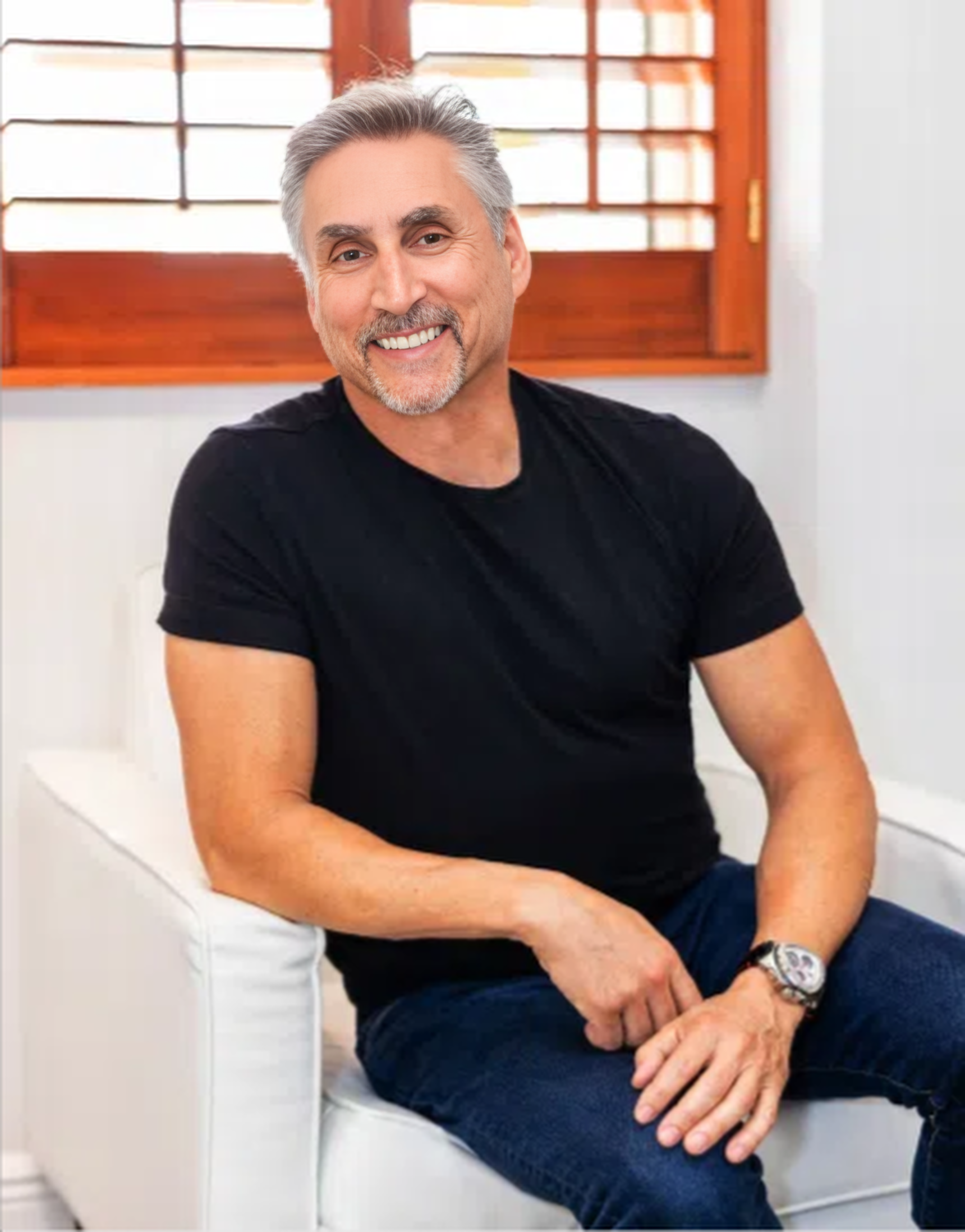
Dr. Mitchell A. Josephs, DDS
Dentist
In Dr. Mitchell A. Josephs's own words
How Dr. Mitchell A. Josephs describes their own approach, from their TikTok posts. Each statement links to the original.
Approach
- The practice offers pain-free dentistry.TikTok ↗
Technique
Technology
- They take a digital impression with a digital scanner for crowns.TikTok ↗
Consultation
- Often, the discussion of what color to go with with porcelain laminated veneers is the first thing that we talk about at a consultationTikTok ↗
Safety
Statements are quoted or closely paraphrased from Dr. Mitchell A. Josephs's own public posts and are their claims, not NavMDs' medical advice. Doctors can correct or remove any item via their claimed profile or support [at] navmds.com.
About
Connect with Dr. Mitchell A. Josephs on Social Media
Specialties
- General Practice
Procedures & Services
Select a service to schedule an appointment · each is approximately 60 minutes
Questions, Answers, and Information Directly from Dr. Mitchell A. Josephs
Sourced directly from Dr. Mitchell A. Josephs's social posts and replies.
What patients ask Dr. Mitchell A. Josephs
Questions people asked under Dr. Mitchell A. Josephs's TikTok videos, 8 answered by the doctor.
How long does a crown typically last?
What's your secret for pain-free injections?
Is getting a crown painful?
What are the non-braces options for closing a gap?
Can you match veneers to my existing natural teeth?
Are Lumineers as durable as traditional veneers?
What are the biggest cons of no-prep veneers?
What certifications or training should I look for in a cosmetic dentist?
How soon after losing a tooth should it be replaced?
asked on TikTok ↗· not yet answered
What are the best options for replacing a missing tooth?
asked on TikTok ↗· not yet answered
Are you Dr. Mitchell A. Josephs? 2 of these questions are waiting for an answer. Claim your profile to respond.
Questions are from public comments, shown without the commenter's name. Answers are Dr. Mitchell A. Josephs's own statements from their videos and replies, not NavMDs' medical advice.
Videos from Dr. Mitchell A. Josephs
@drmitchelljosephs on TikTok →Videos posted on TikTok by @drmitchelljosephs. Press play to watch here, or open the original on TikTok.
Lost a tooth? 🤔 Watch to learn why it's not just about the gap in your smile.
6.1K views · Nov 2023 · TikTok ↗
🌟 Lumineers: The No-Drill Dream!✨ Say goodbye to drilling and hello to a stunning smile transfor…
4.7K views · Sep 2023 · TikTok ↗
How to choose the perfect shade for your veneers.
4.1K views · Aug 2023 · TikTok ↗
Give this video a listen to see how Dr. Josephs is going to bring her smile back to life 🤩
2.8K views · Jan 2024 · TikTok ↗
Pain free injections😆
2.7K views · May 2023 · TikTok ↗
What is a crown
2.2K views · May 2023 · TikTok ↗
Technologies & brands Dr. Mitchell A. Josephs mentions
Devices, implants, injectables and products named in Dr. Mitchell A. Josephs's own posts and videos. A mention is not an endorsement; ask the office what they currently offer.
Patient Experience
Dr. Mitchell A. Josephs Review Summary
Ratings from Other Platforms
Main Office
44 Cocoanut Row STE 206, Palm Beach, Florida
Book a Service Consultation
Each service is approximately 60 minutes.
Industry Payments
Federal law (the Physician Payments Sunshine Act) requires drug and medical-device companies to report anything of value they give to a physician — consulting and speaking fees, research funding, travel, royalties, and even meals. Medicare publishes all of it in a public database called Open Payments. We show it here so you don't have to go looking for it.
No industry payments reported. We checked Dr. Mitchell A. Josephs against the CMS Open Payments database and found no payments from drug or device makers on record.
Source: CMS Open Payments, the federal database created by the Sunshine Act. Search CMS Open Payments ↗
Insurance Information
Please contact Dr. Mitchell A. Josephs's office directly for information about accepted insurance plans.
Help us improve this profile
Do you know which insurance plans Dr. Mitchell A. Josephs accepts? Share this information to help other patients.
Location & Contact Information
Main Office
44 Cocoanut Row STE 206
Palm Beach, Florida 33480
Office Information
Where does Dr. Mitchell A. Josephs practice?
Doctor's Office
Main Office (Primary)
44 Cocoanut Row STE 206, Palm Beach, Florida 33480
Hospital Affiliations
Hospital affiliations unknown
Do you know which hospitals Dr. Mitchell A. Josephs is affiliated with? This information helps patients understand where they might receive care.
Education & Experience
Education