Sourced directly from Dr. Mark DiStefano's social posts and replies.
What is Dr. DiStefano's approach to PRP (Platelet-Rich Plasma) therapy?
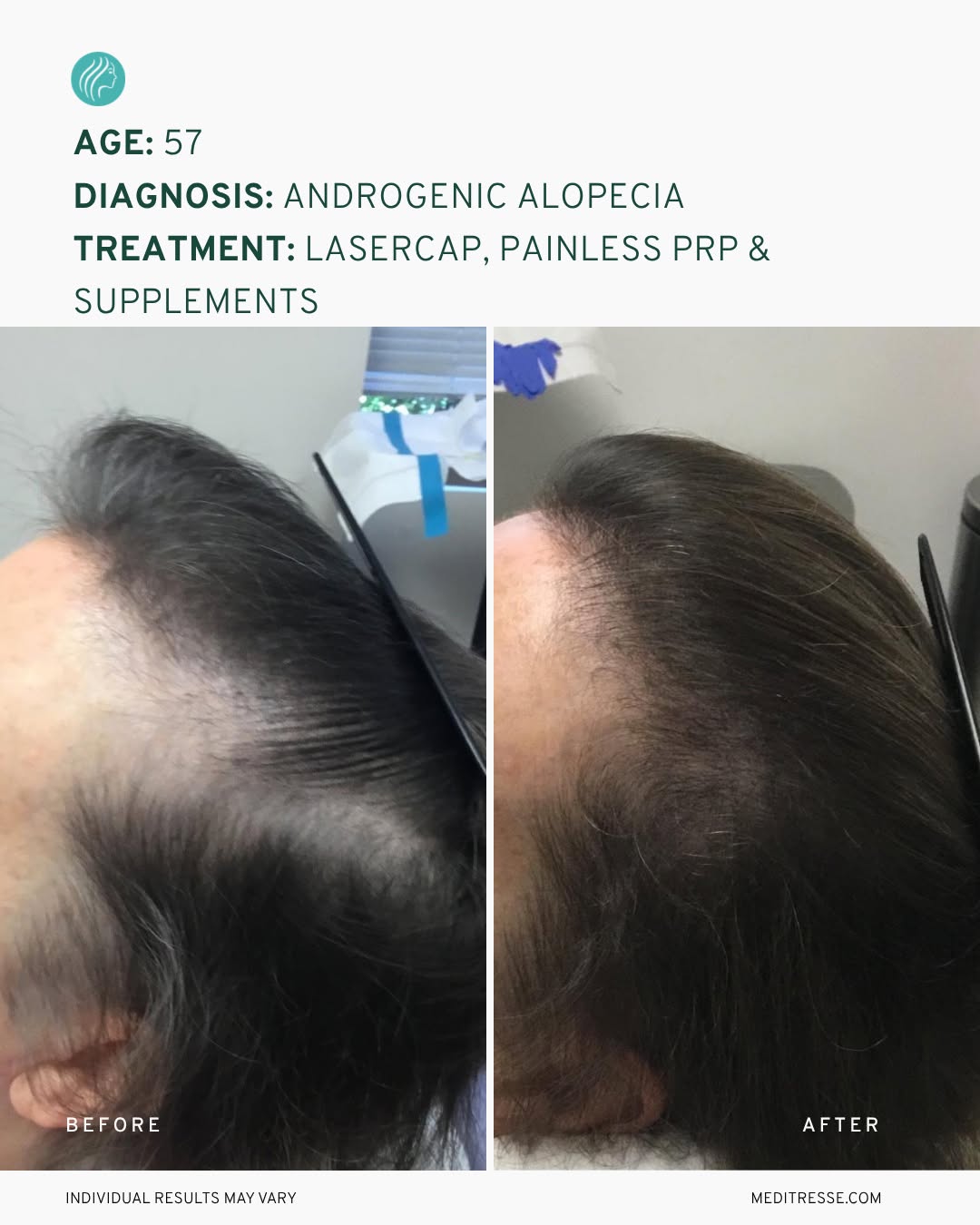
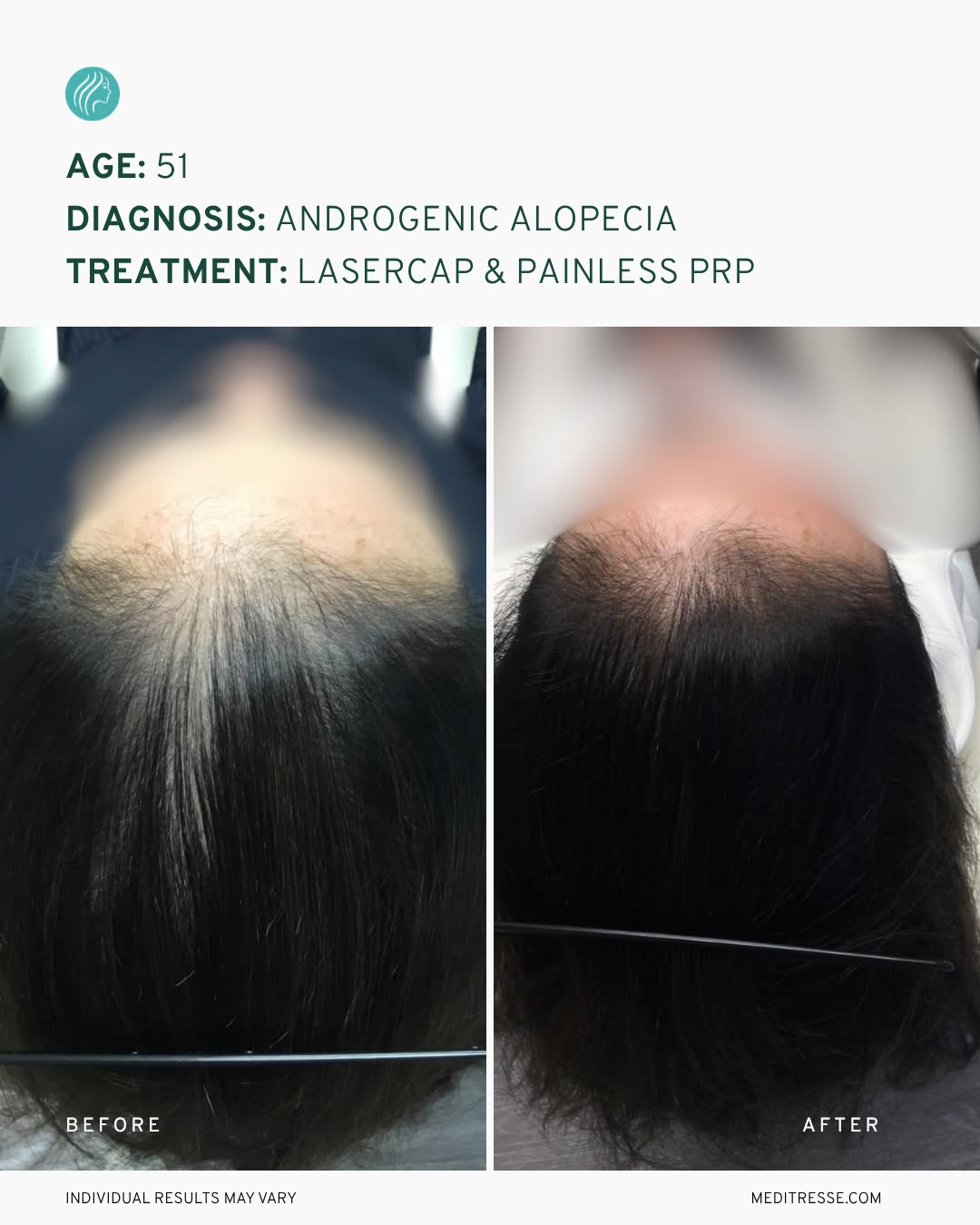
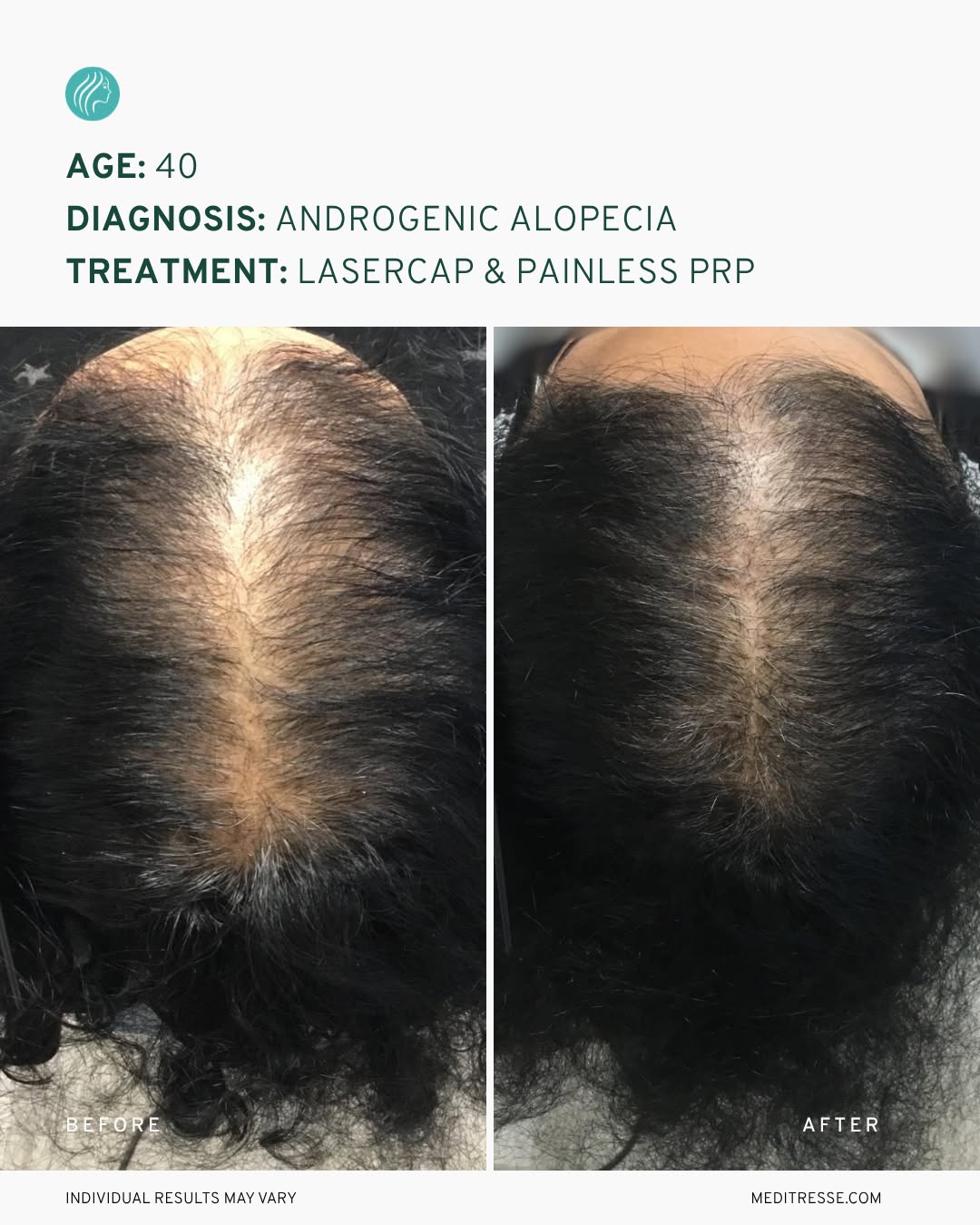
Dr. DiStefano offers a specialized 'Painless PRP' method, also known as Optimal Platelet Concentration Therapy (OPC). This advanced approach delivers the body’s own growth factors beneath the scalp without needles or injections, causing no scalp trauma. It activates hair follicles and supports real hair regrowth for the right patient. Unlike standard PRP, the practice measures the patient's platelet count on the day of treatment and adjusts the PRP to an optimal range (approximately 1.4 to 1.6 billion platelets per milliliter) to create a personalized and targeted treatment plan, as more is not always better. This avoids a one-size-fits-all protocol, which they consider an unreliable 'guess'. Patients considering PRP elsewhere are advised to ask if their platelet count is measured on the day of treatment.
What should I know about hair shedding while taking GLP-1 medication?
Excessive shedding experienced while taking GLP-1 medication is often telogen effluvium, which can be triggered by rapid weight loss, physical stress, or nutritional deficiencies. This type of shedding is often reversible once the underlying triggers are addressed and weight stabilizes. The practice recommends getting comprehensive blood work, evaluating nutrition and protein intake, and scheduling a scalp evaluation and trichoscopy with a female hair loss specialist to get an accurate diagnosis. It's important not to assume the cause, as some women may have another form of hair loss occurring simultaneously.
What is Dr. DiStefano's philosophy on diagnosing hair loss?
Dr. DiStefano emphasizes that hair loss is not random and requires an accurate diagnosis before any treatment begins. The practice believes in investigating rather than guessing the cause of hair loss, as different types require different treatment plans. They utilize comprehensive diagnostic tools like Trichoscopy readings, bloodwork (checking ferritin, thyroid, vitamin D, hormones), and sometimes biopsy to determine if hair loss is scarring or non-scarring, and to uncover underlying contributors. A test is considered valuable if its result changes the treatment plan. The goal is a personalized treatment plan based on individual diagnosis, medical history, and biology, rather than a one-size-fits-all approach. They advise against delaying diagnosis, as early intervention can preserve existing hair and improve results.
What is Dr. DiStefano's stance on Exosome therapy for hair loss?
While the science behind exosomes is exciting and early findings are encouraging, Dr. DiStefano's practice currently does not recommend exosome therapy to patients. They emphasize that 'promising is not the same as proven,' noting that there are no FDA-approved exosome products, human evidence for hair loss is still limited, and products, sources, processing methods, and dosing are not standardized. The practice is closely watching the science and waiting for long-term safety and efficacy data before recommending them. Their philosophy is to avoid women wasting time or money chasing trends without first understanding the cause of their hair loss, though they acknowledge exosomes may have a place in hair restoration in the future.
What should patients know about Scarring Alopecia?
Scarring alopecia is a group of inflammatory hair loss conditions that can progressively damage and destroy hair follicles, potentially leading to permanent hair loss. Once a follicle has been completely destroyed and replaced by scar tissue, it cannot regrow hair. However, scarring does not always mean every follicle is lost. Early and accurate diagnosis is crucial because when viable follicles remain, the right treatment can help control inflammation, protect follicles from further damage, slow progression, and in some cases, support significant regrowth. Patients should seek investigation if they notice symptoms like thinning, changes along the hairline, widening areas of loss, scalp discomfort, itching, burning, or other unexplained changes, and not assume it's 'just thinning.' Treatment recommendations and outcomes depend on diagnosis, disease activity, and the extent of follicular damage.
What factors influence hair loss treatment outcomes?
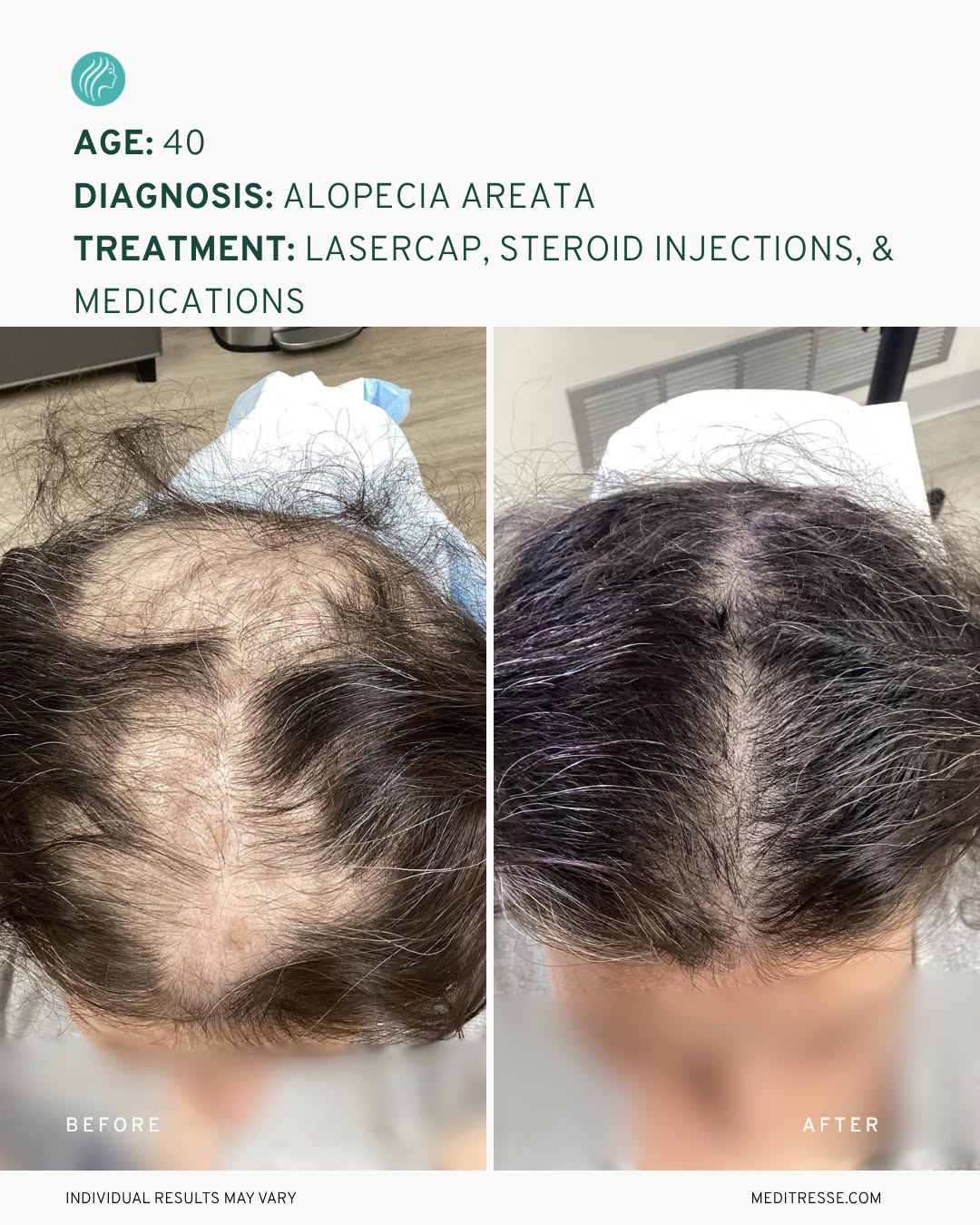
Individual results vary. Treatment recommendations and outcomes depend significantly on the patient's specific diagnosis, the activity level of their hair loss condition, and the extent of existing follicular damage.
What is Dr. DiStefano's approach to Eyebrow Restoration?
Medi Tresse offers eyebrow restoration services through its trusted partners at Northeast Hair Restoration. The surgical team uses individual follicles from the patient's own scalp, carefully recreating the natural direction, angle, and shape of eyebrow growth for results that look and grow naturally. Every eyebrow transplant journey begins with a comprehensive consultation to assess candidacy and design a brow shape that complements the patient's unique features.
What are common indications for Eyebrow Transplantation?
Eyebrow transplantation may be an option for individuals who have experienced: overplucking, waxing, or threading; age- or hormone-related thinning; naturally sparse or uneven brows; hair loss following certain medical conditions or treatments; scarring or trauma; or unsatisfactory microblading or tattooing results.
What is Dr. DiStefano's view on genetic testing for hair loss?
Dr. DiStefano's practice believes that a genetic risk percentage for hair loss does not alter the treatment approach. Patients are examined, receive lab tests, and are treated based on their current scalp condition, irrespective of genetic risk. Genetics is considered only one of many possible causes of hair loss, and in their experience, most women have multiple concurrent factors contributing to their hair loss.