NavMDs
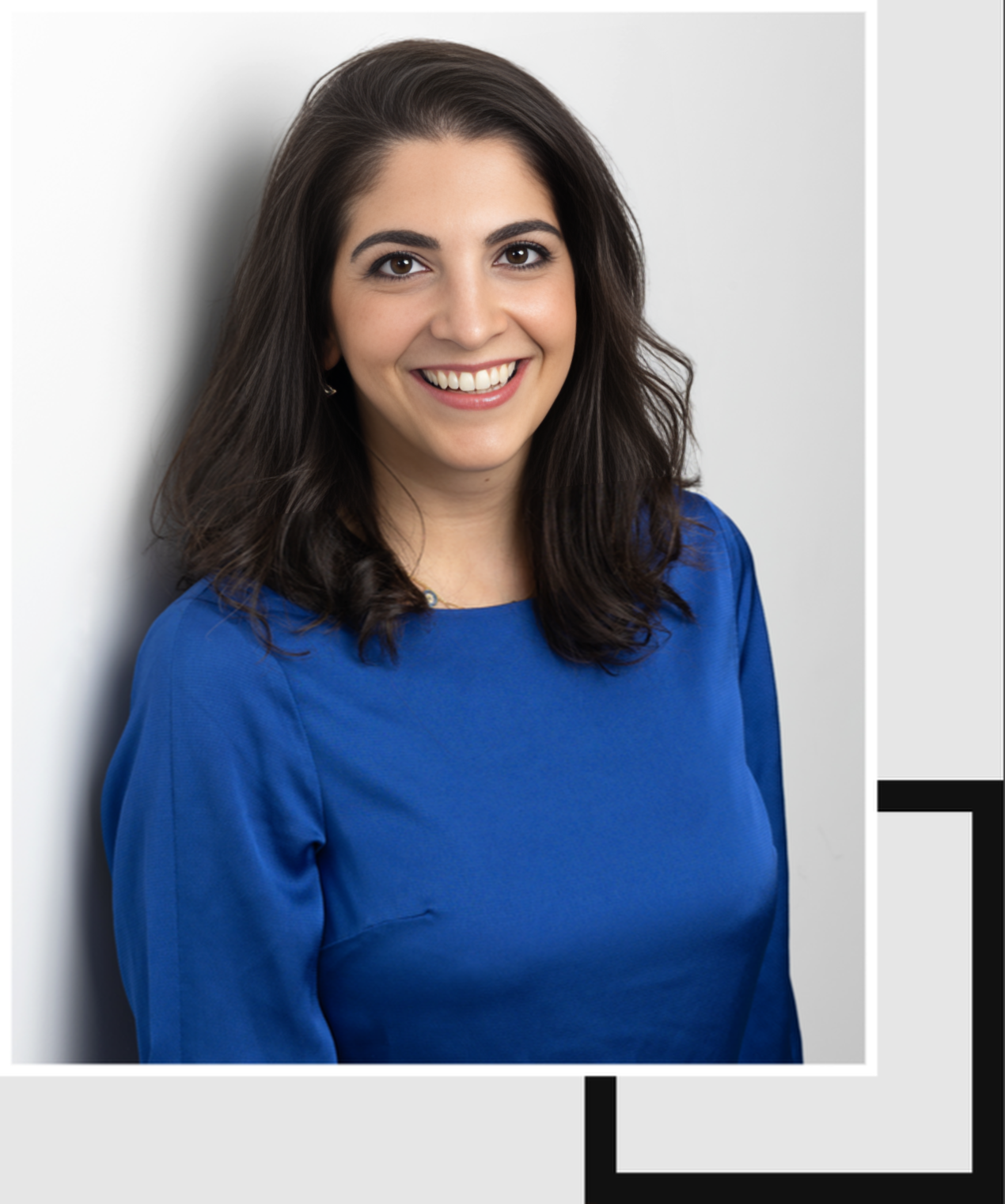
Dr. Mahsa A. Sohrab, MD - Oculoplastic Surgeon, Board Certified in Ophthalmology in Greenwich, Connecticut

Dr. Mahsa A. Sohrab, MD

Oculoplastic Surgeon, Board Certified in Ophthalmology

Ophthalmology
Greenwich, Connecticut
● Taking New Patients
NPI: 1275845331· License: 55552 (CT) verify
4.79(48 ratings)

Consultation $300

About

Dr. Mahsa A. Sohrab is a Board-Certified ASOPRS Oculoplastic Surgeon practicing in Greenwich, Connecticut. She received her M.D. from Columbia University and trained at Johns Hopkins. Dr. Sohrab specializes in oculofacial plastic surgery, focusing on the area around the eyes, including procedures like eyelid surgery, brow lifts, Botox, and dermal fillers. Her treatment philosophy emphasizes achieving results that look refreshed, natural, and authentically the patient, never aiming to make someone look different. Dr. Sohrab believes thoughtful planning and precision are as important as the surgery itself, especially in upper blepharoplasty where every millimeter matters in determining the right amount of skin to remove. She conducts a comprehensive assessment for brow rejuvenation, considering brow position, forehead anatomy, and desired outcome to choose the most appropriate technique. Dr. Sohrab often combines regenerative treatments like facial fat transfer to restore volume with laser technology such as Moxi Laser to optimize skin quality. She also uses Sciton BBL for bruise treatment and anti-aging benefits. Careful closure is a critical part of her blepharoplasty surgeries, and she provides post-operative guidance, including tips for applying ointment.

Connect with Dr. Mahsa A. Sohrab on Social Media

Specialties

  • Oculoplastic Surgeon, Board Certified in Ophthalmology

Procedures & Services

Select a service to schedule an appointment · each is approximately 60 minutes

Questions, Answers, and Information Directly from Dr. Mahsa A. Sohrab

Sourced directly from Dr. Mahsa A. Sohrab's social posts and replies.

How long does it take to see the final results after eyelid surgery?
Final results for eyelid rejuvenation procedures typically take anywhere from 3-6 months to fully manifest.
How should I apply post-operative ointment after eyelid surgery?
The practice provides antibiotic ointment for post-operative care, which is safe to use in your eyes. You can apply it using a fingertip or a cotton swab. Using the ointment tube itself is least preferred to avoid contaminating the tip.
What causes under-eye bags and hollowing?
Under-eye bags and hollowing can be genetic, age-related, or a combination of both factors.
Is surgery always necessary for under-eye bags and hollowing?
No, not everyone with under-eye bags and hollowing needs surgery. The best candidates for lower eyelid surgery typically have visible under-eye bags that haven’t responded to other treatments, where surgery can still make a real difference.
What is Dr. Sohrab's approach to brow lift surgery?
Not all brow lifts are the same, and there isn’t one 'best' approach for everyone. The correct technique depends on much more than simply whether your brows have dropped. When evaluating for brow rejuvenation, Dr. Sohrab examines the entire upper face: brow position and shape, forehead anatomy, hairline, degree and location of brow descent, upper eyelid skin, and the result the patient is hoping to achieve. Depending on those factors, different approaches may be considered—from a temporal or lateral brow lift to endoscopic or other surgical techniques. Sometimes, what looks like an upper eyelid problem is actually being influenced by the position of the brow. The goal is to choose an approach based on the individual patient’s anatomy, concerns, and desired outcome—not simply the name of a procedure.
Is bruising common after cosmetic procedures and how is it treated?
Yes, bruising is a common occurrence after cosmetic procedures, even for doctors. Dr. Sohrab personally experienced bruising under her eyes after PRP injections despite icing and taking Arnica. Her preferred bruise treatment is Sciton BBL (BroadBand Light), which she uses after a few days. This quick light treatment helps bruises disappear more quickly and also provides an anti-aging benefit.
What should I expect regarding scars and healing after upper blepharoplasty?
Upper blepharoplasty scars are carefully placed within the natural eyelid crease. As your incision heals, your body temporarily increases blood flow to the area, which often makes the scar appear pink or red during the first several weeks to months. This is a normal part of the healing process, and the redness typically continues to fade as the scar matures, allowing them to become increasingly difficult to notice. Patients should protect their incision from the sun, follow post-operative instructions, and be patient with the process, as healing takes time.
What if my upper blepharoplasty results 'wore off' or I still have heavy eyelids?
While a second upper blepharoplasty can sometimes be the correct treatment, often the real issue causing heavy upper eyelids after a previous procedure is brow descent, not excess eyelid skin. As our brows naturally lower with age, they push more tissue onto the upper eyelids, creating the appearance of 'extra skin.' Performing another upper blepharoplasty without recognizing this can leave patients disappointed or even over-resected. The key isn’t automatically doing more surgery—it’s making the right diagnosis. During a consultation, Dr. Sohrab evaluates both the eyelids and the position of the brows to determine what’s actually causing the heaviness so she can recommend the most appropriate treatment. If you’ve ever wondered whether your previous upper bleph 'wore off,' this is an important conversation to have before considering another procedure.
What is the role of stitches in plastic surgery, particularly blepharoplasty?
In plastic surgery, stitches do much more than just close a wound. They help reduce tension, support deeper tissues, improve alignment of the skin edges, and create an environment that allows healing to occur as predictably as possible. Scar quality is determined not only by where the incision is placed, but also by how the tissues are repaired underneath. That is why careful closure is such an important part of each blepharoplasty surgery.
When can I get Botox after eyelid surgery?
In most cases, Dr. Sohrab recommends waiting 4 weeks after eyelid surgery before treating the area around the eyes with Botox. Treating too early can have a higher risk of migration and impair your body’s ability to clear the swelling. The best approach is to discuss timing with your surgeon, who can evaluate your healing and determine when treatment is appropriate. Individualized treatment plans are offered.

From Dr. Mahsa A. Sohrab's Instagram

@drmahsasohrab

Recent photos posted by @drmahsasohrab, Dr. Mahsa A. Sohrab's own Instagram account. Each image opens the original post on Instagram.

Images © Dr. Mahsa A. Sohrab / @drmahsasohrab, shown here with a link to the original post. If you are the account owner and want an image removed, contact [email protected].

Patient Experience

Dr. Mahsa A. Sohrab Review Summary

4.4
Dr. Sohrab has a mix of reviews. While she boasts a perfect 5.0 rating from 9 reviews on one platform and high marks on Google (4.9/5) and RealSelf (5/5), her Healthgrades rating is lower at 3/5. Overall, patient testimonials lean towards positive, highlighting her surgical skills and aesthetic eye.

Ratings from Other Platforms

healthgrades.com

3 out of 5

Based on 9 reviews

View on healthgrades.com

realself.com

5 out of 5

Based on 9 reviews

View on realself.com

Google Reviews

4.9 out of 5

Based on 127 reviews

View on Google Reviews
Dr. Mahsa A. Sohrab, MD - Oculoplastic Surgeon, Board Certified in Ophthalmology in Greenwich, Connecticut

Main Office

25 Valley Dr, Greenwich, Connecticut

(203) 599-4770

Book a Service Consultation

Consultation fee: $300

Each service is approximately 60 minutes.

+1 more

Industry Payments

Federal law (the Physician Payments Sunshine Act) requires drug and medical-device companies to report anything of value they give to a physician — consulting and speaking fees, research funding, travel, royalties, and even meals. Medicare publishes all of it in a public database called Open Payments. We show it here so you don't have to go looking for it.

No industry payments reported. We checked Dr. Mahsa A. Sohrab against the CMS Open Payments database and found no payments from drug or device makers on record.

Source: CMS Open Payments, the federal database created by the Sunshine Act. Search CMS Open Payments ↗

Patient Awards

Best
Top Doctor
Top Doctor

Insurance Information

Please contact Dr. Mahsa A. Sohrab's office directly for information about accepted insurance plans.

Phone: (203) 599-4770

Help us improve this profile

Do you know which insurance plans Dr. Mahsa A. Sohrab accepts? Share this information to help other patients.

Location & Contact Information

Main Office

25 Valley Dr

Greenwich, Connecticut 06831

Office Information

Phone: (203) 599-4770

Where does Dr. Mahsa A. Sohrab practice?

Doctor's Office

Main Office (Primary)

25 Valley Dr, Greenwich, Connecticut 06831

(9 reviews)

Hospital Affiliations

Surgeons. Internship. St Luke's Roosevelt Hospital

Help improve our data. Confirm if Dr. Mahsa A. Sohrab is affiliated with Surgeons. Internship. St Luke's Roosevelt Hospital.

Education & Experience

Education

Columbia University Md
Johns Hopkins Trained
Columbia University College Of Physicians & Surgeons
St Luke's Roosevelt Hospital
Northwestern University Medical School

Certifications & Licenses

Board Certified In Ophthalmology
Board-certified Asoprs Oculofacial Plastic Surgeon

Frequently Asked Questions

Can you make an appointment with Dr. Mahsa A. Sohrab online?
No, online scheduling is not currently available for Dr. Sohrab. You need to call (203) 340-1301 to schedule an appointment.
Does Dr. Mahsa A. Sohrab offer telehealth?
The provided information does not mention telehealth services being offered by Dr. Sohrab.
What do patients have to say about Dr. Mahsa A. Sohrab?
Most patients praise Dr. Sohrab's surgical skills and results, describing her as "excellent," "amazing," and having a "wonderful aesthetic eye." Many express high satisfaction, feeling they received the "best possible treatment" and looking years younger. However, one review mentions a negative consultation experience, citing poor treatment and a lack of care from the doctor.
What areas of care does Dr. Mahsa A. Sohrab cater to?
Dr. Sohrab specializes in oculofacial plastic surgery, which focuses on the area around the eyes. This includes procedures like eyelid surgery (blepharoplasty), brow lifts, and likely also non-surgical aesthetic treatments such as Botox and dermal fillers to address wrinkles and facial rejuvenation. For eyelid rejuvenation, Dr. Sohrab performs upper and lower blepharoplasty, sometimes incorporating techniques like CO2 resurfacing and fat transposition. When evaluating for brow rejuvenation, Dr. Sohrab conducts a comprehensive assessment of the entire upper face, considering brow position and shape, forehead anatomy, hairline, degree and location of brow descent, upper eyelid skin, and the patient's desired outcome. This individualized approach ensures the most appropriate technique is chosen, as what appears to be an upper eyelid problem can often be influenced by brow position. Dr. Sohrab frequently combines regenerative treatments like facial fat transfer (to restore youthful volume) with laser technology such as Moxi laser (to optimize skin quality). Her treatment philosophy emphasizes achieving results that look refreshed, natural, and authentically the patient, rather than making them look different.