
NavMDs
Dr. Kyle Cox, MD - Oculoplastic Surgeon, Board Certified in Ophthalmology in Boulder, Colorado

Dr. Kyle Cox, MD

Oculoplastic Surgeon, Board Certified in Ophthalmology

Boulder, Colorado
● Taking New Patients
NPI: 1457794935· License: DR.006544 (CO) verify
Medical school: University Of Tennessee, Hsc, College Of Medicine · Graduated 2012
Industry payments (2024): $141 across 1 payment (what this means)
4.95(27 ratings)

About

Dr. Kyle Cox, MD is a board-certified oculoplastic surgeon specializing in eyelids, practicing in Boulder, Colorado. Dr. Cox takes a holistic approach to oculoplastic surgery, aiming to create a more rested, open, and vibrant version of patients, rather than changing their appearance. This philosophy emphasizes addressing multiple components of facial aging for natural-looking results, ensuring no single treatment dominates. Dr. Cox performs procedures including Upper and Lower Blepharoplasty, Outer Brow Repositioning, Ptosis Repair, Midface Hyaluronic Acid Gel Fillers, Fractional CO₂ Laser, Full-face Microneedling, and Chemical Peels. Dr. Cox's mission is to educate patients on the science, philosophy, and art of healthy aging, empowering them to make confident, informed decisions regarding procedures or general skin understanding. Customized consultations focus on understanding a patient's specific anatomy, skin, and goals to select the most appropriate single or combination treatment. Dr. Cox stresses that refined surgery involves understanding the healing journey as much as the final outcome.

Connect with Dr. Kyle Cox on Social Media

Specialties

  • Oculoplastic Surgeon, Board Certified in Ophthalmology

Procedures & Services

Select a service to schedule an appointment · each is approximately 60 minutes

Average Cost of Surgery

Healthcare costs shouldn't be a mystery. Below, you'll find crowdsourced data on the actual costs of surgeries performed by Dr. Kyle Cox, submitted anonymously by the patient community. Use this as a guide to better anticipate your own expenses. Please note that final costs can vary based on your specific medical needs.

Eyelid Surgery

$4,500

Help us keep this data current and accurate. If you've had a procedure with Dr. Kyle Cox, please take a moment to contribute your cost information.

Questions, Answers, and Information Directly from Dr. Kyle Cox

Sourced directly from Dr. Kyle Cox's social posts and replies.

How should I prepare for an eyelid rejuvenation consultation?
It's very important to be able to articulate the physical changes you are observing around your eyelids (such as bags, dark circles, skin changes, or drooping) and how these changes emotionally affect you and your goals. A consultation becomes much more meaningful if you can articulate these points. The more prepared you are for eyelid rejuvenation, the better your outcome will be.
When should I schedule a consultation for eyelid rejuvenation, and is it in-person?
If you're at a point where you want to learn more about eyelid rejuvenation and how it may fit for you, scheduling a consultation is the best next step. While online research is a reasonable starting point, a real, customized, and critically thoughtful plan for eyelid rejuvenation requires an in-person consultation. Consultations for eyelid rejuvenation are preferably conducted with an eyelid specialist.
What is the next step after deciding on a treatment plan, and how long does scheduling take?
After deciding on a treatment plan and finding a provider that resonates with you, scheduling the treatment will be the next step. Scheduling a procedure can take weeks to months depending on factors such as your health, availability, and the specific treatments involved. Eyelid rejuvenation is a planned decision and not an impulsive one.
What is the recovery routine like after eyelid rejuvenation?
During recovery, you will need to alter your normal routine and substitute it with a new 'healing routine.' It is very important to respect this healing time, be thoughtful, and follow all instructions.
What emotions can I expect during the eyelid rejuvenation process?
It's common to feel nervous, but there's also a silver lining of excitement, especially when you've been thoughtful about the process and found an empowering provider.
Is aesthetic surgery considered vanity?
No, aesthetic surgery is not vanity. It's often a thoughtful decision for personal well-being and confidence.
How does Dr. Cox approach lower eyelid rejuvenation?
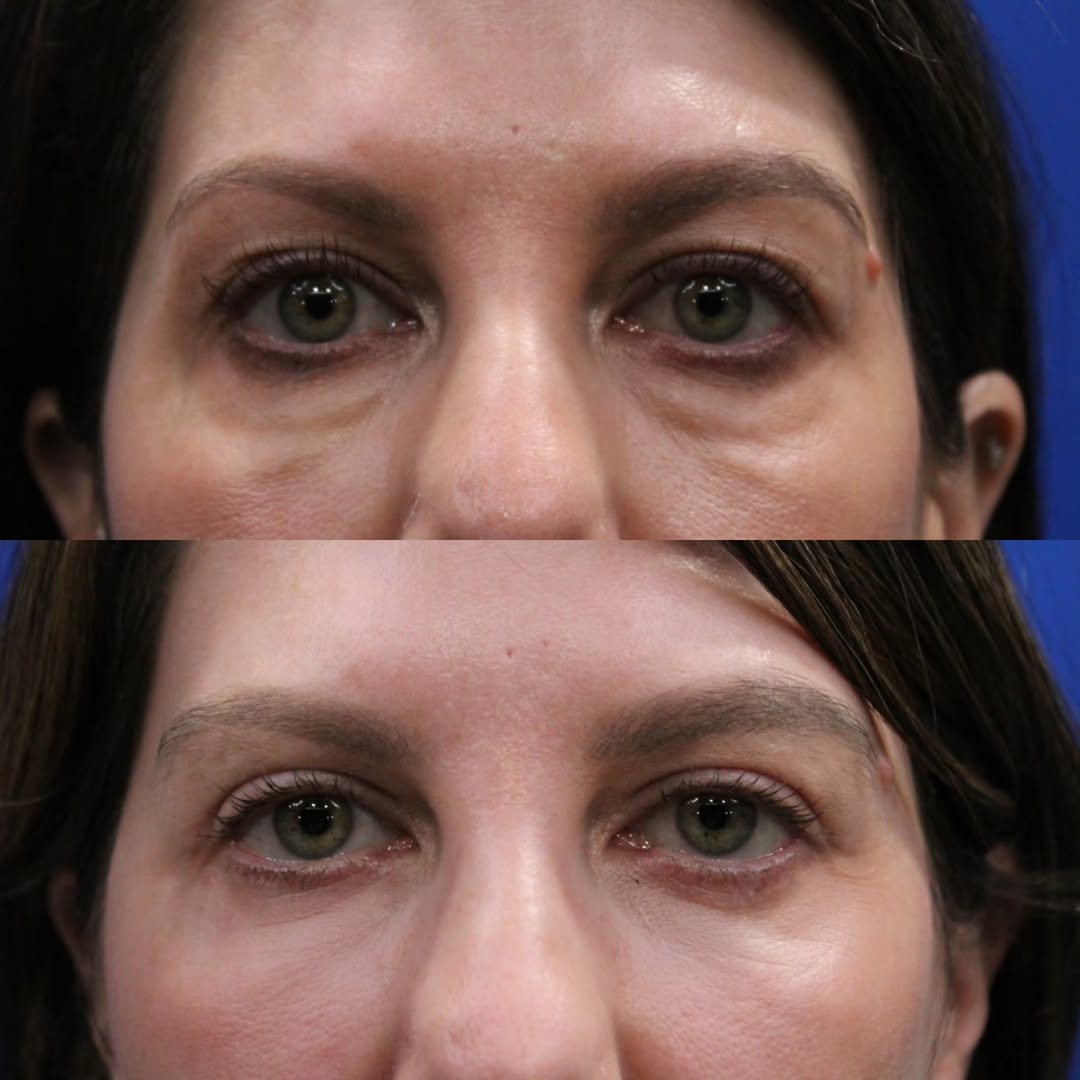
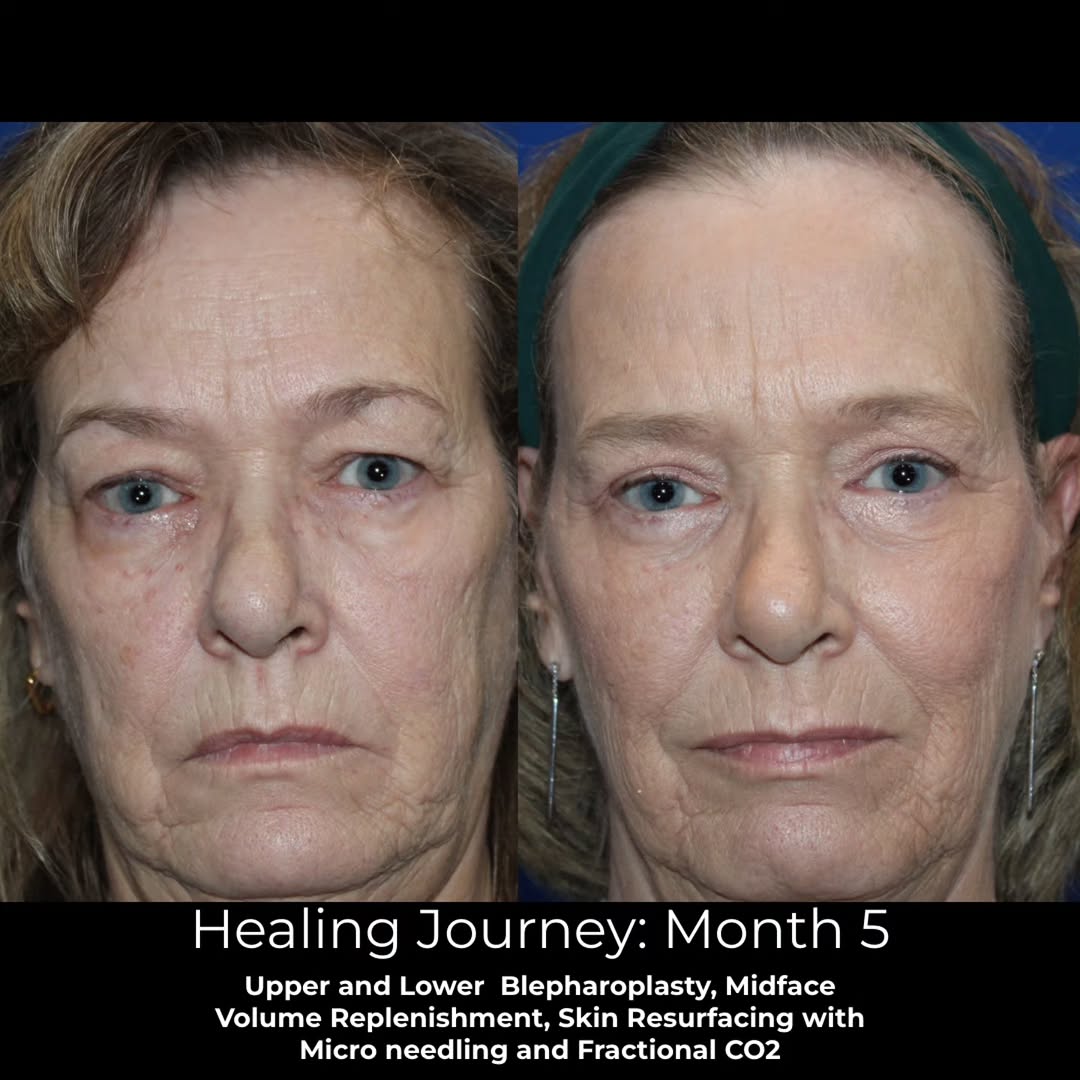
Lower eyelid rejuvenation is not isolated to the lower eyelid itself. The lower eyelid and the cheek are a contiguous unit and are addressed as such during rejuvenation. They influence each other, and when one has changed, typically the other has as well. This approach encompasses a collective process of small changes in both the lower eyelid and the mid-face, addressing concerns like 'bags', 'loose skin', 'dark circles', and 'hollow'. Dr. Cox considers the components of each to curate a bespoke, comprehensive treatment plan. Understanding this contiguous unit theme is crucial for comprehending proposed treatment plans.
What is upper blepharoplasty used for and how is it performed?
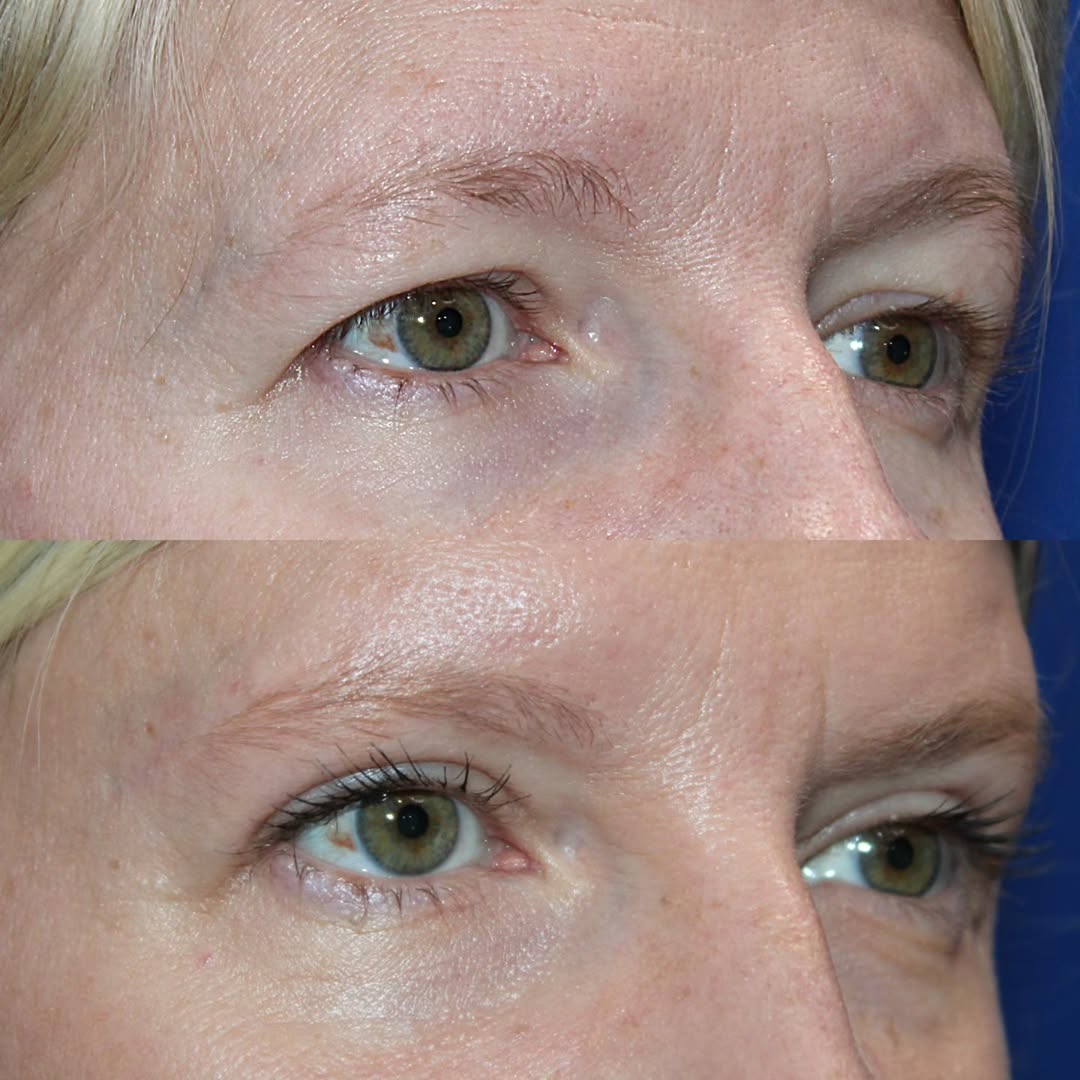
Upper blepharoplasty is performed to improve eyelid platform show by removing redundant eyelid skin to reveal more of the natural eyelid platform.
What is lower blepharoplasty used for?
Lower blepharoplasty is performed to reduce lower eyelid bags and improve contour.
What is midface hyaluronic acid gel used for?
Midface hyaluronic acid gel is used to restore subtle structural support.
What is fractional CO₂ laser used for?
Fractional CO₂ laser is used for targeted skin remodeling.
What is full-face microneedling used for?
Full-face microneedling is used to improve overall skin quality and texture.
How do different treatments contribute to facial rejuvenation?
Surgery improves anatomy, volume treatments support structure, and skin treatments improve the surface. Combining these approaches creates a result that feels balanced and natural.
What causes a 'heavy' upper eyelid?
A 'heavy' upper eyelid can be caused by more than just excess eyelid skin; factors like upper eyelid dermatochalasis and outer brow descent can contribute to heaviness and crowding around the eyes.
What is outer brow repositioning?
Outer brow repositioning addresses a descended outer brow and improves the relationship between the brow and eyelid. This technique can provide precise, natural improvement in the position and contour of the outer brow.
What are the benefits and trade-offs of upper blepharoplasty with direct outer brow repositioning?
This combined procedure addresses upper eyelid skin laxity and descent of the outer brow, resulting in a more open, brighter appearance that still looks completely like the patient, with improvement in both function and aesthetics. A trade-off is an incision placed near the brow, which means the early healing and scar are more visible than with approaches where the incision is hidden within the hairline.
How long does scar maturation take after surgery, and what influences its final appearance?
Scar maturation is a gradual process that typically continues over 6 to 12 months, with significant improvement seen at 6 months. The final appearance of any scar is individual, influenced by skin type, individual healing biology, sun protection, and consistent use of the practice's postoperative topical scar regimen.
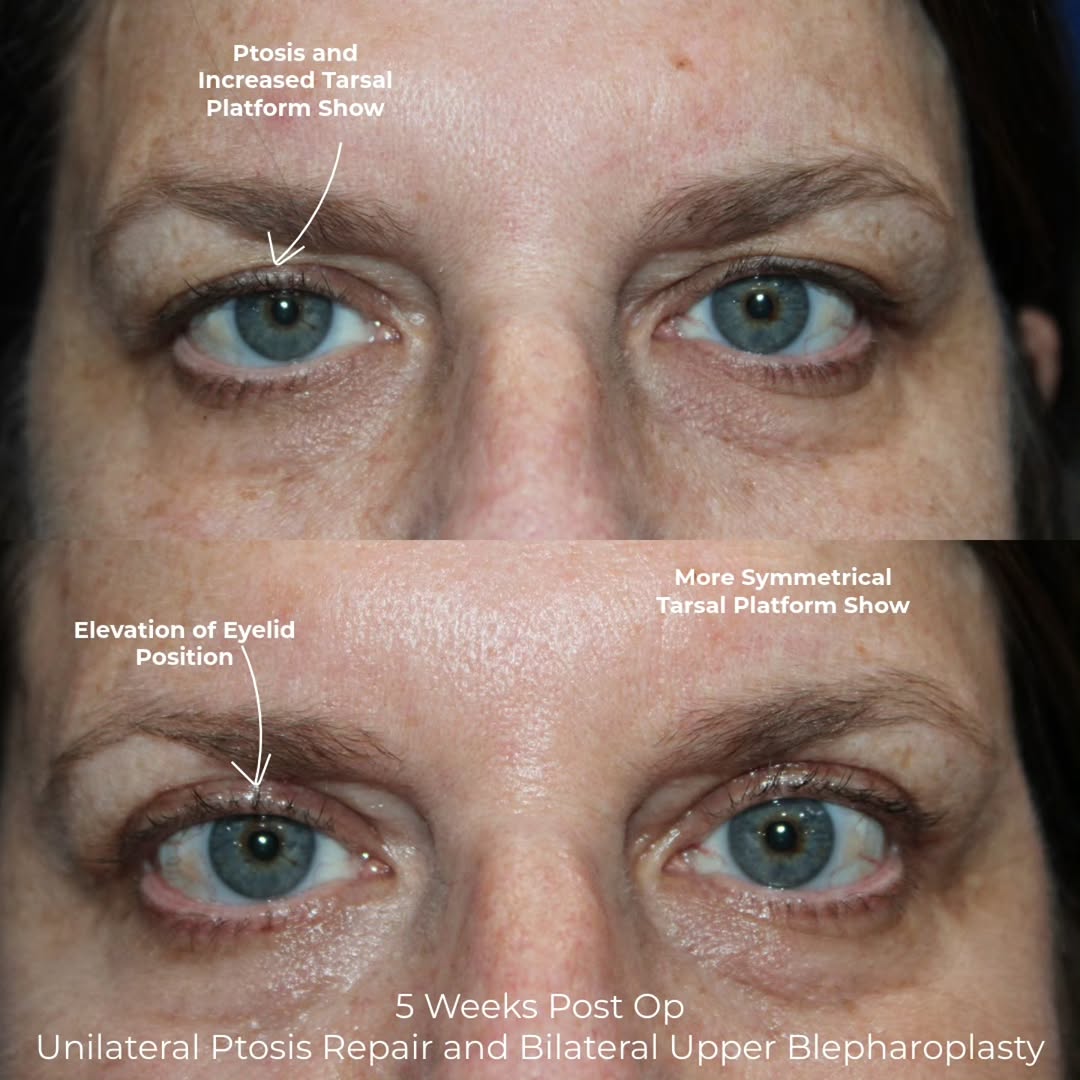
What is unilateral ptosis?
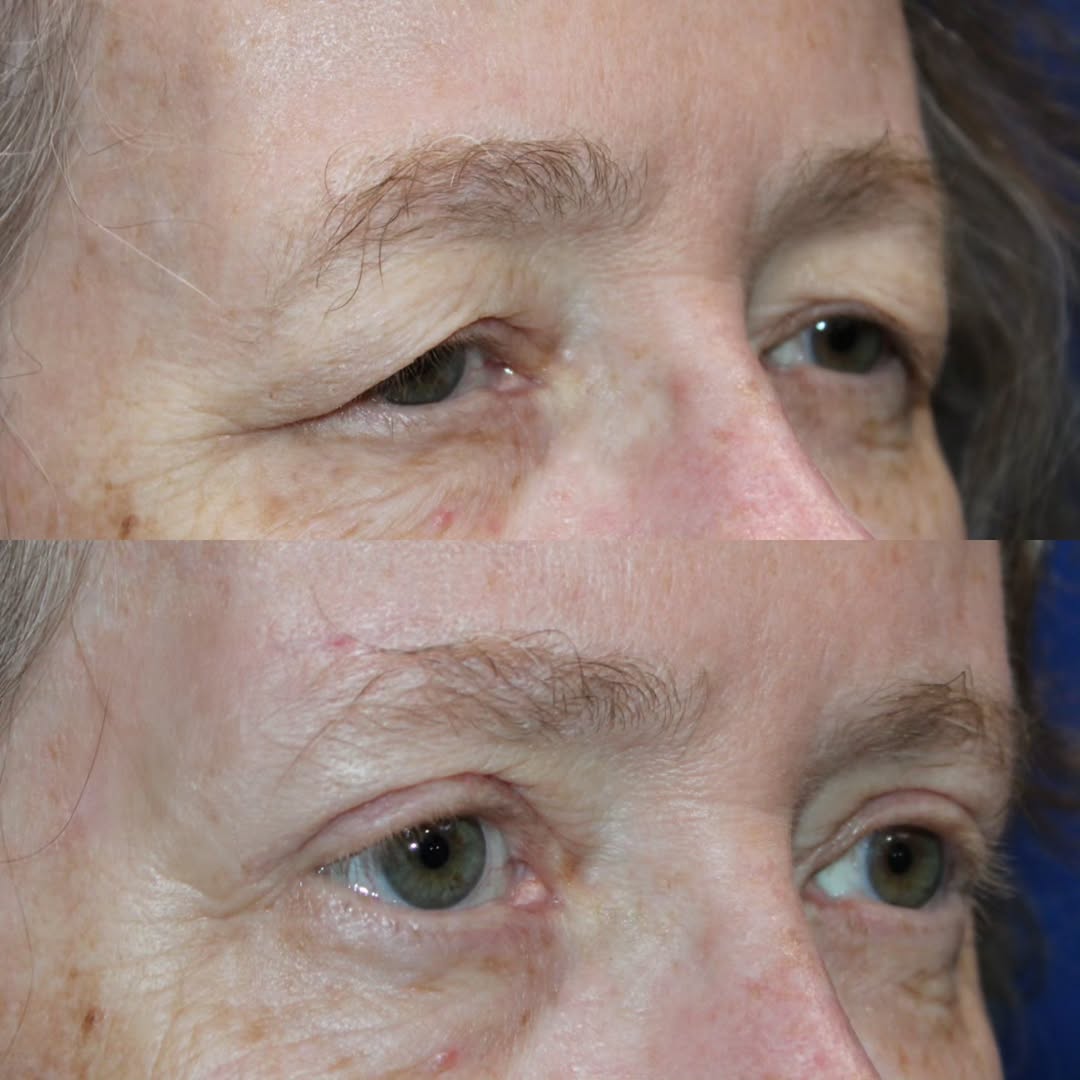
Unilateral ptosis is often noticed as eyelid asymmetry, which patients may describe as a 'lazy eye' appearance. Asymmetric ptosis is one of the most challenging eyelid conditions to treat.
What are the benefits of ptosis repair combined with upper blepharoplasty?
This combination improves eyelid symmetry and creates a brighter, more open appearance.
What should I expect regarding healing and symmetry after eyelid surgery, especially for ptosis repair?
At just 5 weeks post-op, healing and eyelid position are still evolving. Perfect symmetry is not always achieved or expected after eyelid surgery because eyelids heal independently, muscles respond differently, and every face has natural asymmetry. Some asymmetry is common after all types of ptosis repair, particularly when treating just one eyelid. The goal is improvement, not perfect symmetry, focusing on restoring function and creating the most natural, balanced appearance possible.
When do age-related changes around the eyes typically become more noticeable, and what procedures are recommended?
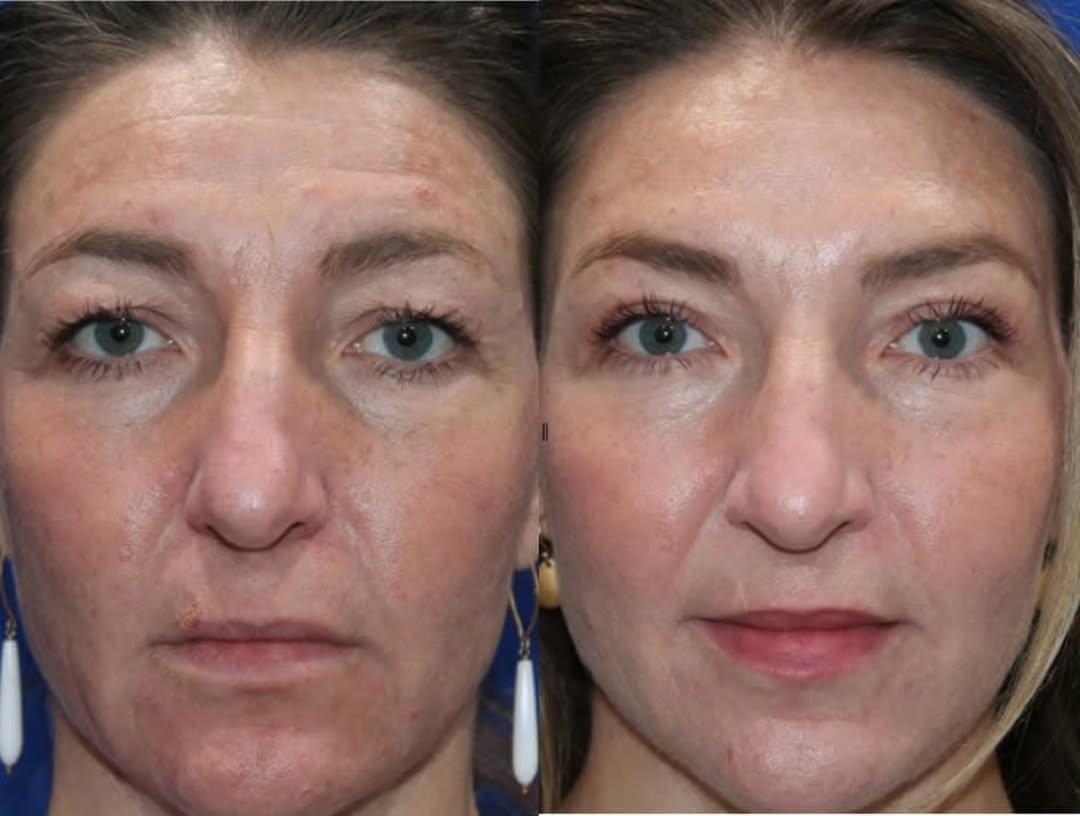
The 40s is often the decade where more tangible age-related changes around the eyes can be appreciated. Upper blepharoplasty and chemical peel are considered a perfect brightening duo, offering maximum efficacy with minimal downtime for suitable candidates. In Dr. Cox's experience, these procedures make patients feel good from the inside out.
What is the structure of healthy skin and what are the functions of its layers?
Healthy skin is not a single layer but has a distinct multi-layered design, comprising the Epidermis and Dermis. The Epidermis functions as the skin's protective barrier, shielding the body from the outside world, helping regulate water loss, protecting against UV damage, producing pigment, and constantly renewing itself. The Dermis provides strength and support beneath the surface, containing collagen, elastin, blood vessels, nerves, hair follicles, and specialized glands that keep skin resilient and functioning.
What pre-surgical tests are performed for asymmetric ptosis?
A diagnostic phenylephrine test is performed before surgery for asymmetric ptosis, which can suggest whether repairing both eyelids would provide the best chance at achieving balance.
Do different skin treatments perform different functions, and how are they combined?
Yes, different treatments perform different functions. For example, a chemical peel primarily renews the surface of the skin, while microneedling stimulates collagen remodeling beneath the surface. When thoughtfully combined, they complement one another to promote healthier, more natural-looking skin.

From Dr. Kyle Cox's Instagram

@kylecoxmd

Recent photos posted by @kylecoxmd, Dr. Kyle Cox's own Instagram account. Each image opens the original post on Instagram.

Images © Dr. Kyle Cox / @kylecoxmd, shown here with a link to the original post. If you are the account owner and want an image removed, contact [email protected].

Patient Experience

Dr. Kyle Cox Review Summary

3.7
Dr. Cox has a mix of reviews. While a patient on Healthgrades and Google gave 5/5 stars, and the main profile shows 5.0 based on one review, a significantly lower rating appears on Facebook (1/5). It's worth exploring the individual reviews for more context.

Ratings from Other Platforms

healthgrades.com

5 out of 5

Based on 1 reviews

View on healthgrades.com

m.facebook.com

1 out of 5

Based on 1 reviews

View on m.facebook.com

Google Reviews

5 out of 5

Based on 80 reviews

View on Google Reviews
Dr. Kyle Cox, MD - Oculoplastic Surgeon, Board Certified in Ophthalmology in Boulder, Colorado

Kyle Cox MD Oculofacial

2897 Valmont Rd Suite 100, Boulder, Colorado

(720) 295-3931

Book a Service Consultation

Each service is approximately 60 minutes.

+2 more

Industry Payments

Federal law (the Physician Payments Sunshine Act) requires drug and medical-device companies to report anything of value they give to a physician — consulting and speaking fees, research funding, travel, royalties, and even meals. Medicare publishes all of it in a public database called Open Payments. We show it here so you don't have to go looking for it.

Total received (2024)

$141

Payments

1

Compared to peers

Small

Dr. Kyle Cox received $141 across 1 payment in 2024. That is in the lower half for physicians here — totals this size are typically meals at sponsored talks. Most of it was categorised as food and beverage, and the largest single payer was ABBVIE INC..

What this means for your care

  • A disclosed payment is a business relationship, not evidence of wrongdoing, and it says nothing on its own about the quality of your care.
  • Most payments are small. Across the physicians listed on NavMDs, the single most common category is food and beverage at industry-sponsored talks.
  • Larger consulting, speaking or royalty payments mean an ongoing financial relationship with a company whose products your doctor may use or recommend. That is worth knowing about, and it is reasonable to ask about.
  • A fair question to ask: “Do you have a financial relationship with the maker of the implant, filler or device you're recommending — and what alternatives did you consider?”

Source: CMS Open Payments, the federal database created by the Sunshine Act. View the full record on CMS Open Payments ↗

Insurance Information

Please contact Dr. Kyle Cox's office directly for information about accepted insurance plans.

Phone: (720) 295-3931

Help us improve this profile

Do you know which insurance plans Dr. Kyle Cox accepts? Share this information to help other patients.

Location & Contact Information

Kyle Cox MD Oculofacial

2897 Valmont Rd Suite 100

Boulder, Colorado 80301

Office Information

Phone: (720) 295-3931

Where does Dr. Kyle Cox practice?

Doctor's Office

Kyle Cox MD Oculofacial (Primary)

2897 Valmont Rd Suite 100, Boulder, Colorado 80301

(1 reviews)

Hospital Affiliations

Hospital affiliations unknown

Do you know which hospitals Dr. Kyle Cox is affiliated with? This information helps patients understand where they might receive care.

Education & Experience

Certifications & Licenses

Board Certified In Ophthalmology

Frequently Asked Questions

Can you make an appointment with Dr. Kyle Cox online?
The provided information doesn't confirm online booking. However, you can call or text to schedule a consultation: Call 303-590-3589 or Text 720-358-8511.
Does Dr. Kyle Cox offer telehealth?
Telehealth availability is not explicitly mentioned. It's best to contact the office directly to inquire about telehealth options.
What do patients have to say about Dr. Kyle Cox?
At least one patient reports dramatically improved vision after treatment from Dr. Cox.
What areas of care does Dr. Kyle Cox cater to?
Dr. Cox specializes in oculoplastic surgery, encompassing both reconstructive and cosmetic procedures of the eyes and face. This includes areas like eyelid surgery (blepharoplasty) and other periocular and facial surgeries. Dr. Cox takes a holistic approach, focusing on natural-looking results. Dr. Cox believes the most natural rejuvenation often comes from recognizing that facial aging isn't just one thing and addressing multiple components. The goal for rejuvenation is not to change how a patient looks, but to create a more rested, open, and vibrant version of themselves. Dr. Cox particularly values rejuvenation results where no single treatment dominates, emphasizing a balanced approach. The practice defines 'AGING GRACEFULLY' as women confidently choosing procedures for themselves, not for others, embracing their natural beauty. Dr. Cox emphasizes that refined surgery is not only about the final result but also about understanding and being comfortable with the healing journey required to achieve it. Dr. Cox emphasizes that overall health serves as the foundation for skin health, with genetics, nutrition, exercise, sleep, and daily habits all influencing the skin's ability to build, repair, and maintain itself. Understanding the design and function of each skin layer informs the practice's intentional approach to skincare, shifting the inquiry from 'What's the best treatment?' to 'What does this layer of skin need?'. Dr. Cox's goal is to empower patients by helping them understand the physiology behind their skin, enabling them to make informed, confident health decisions rather than simply recommending treatments. The practice's goal is not to perform an excessive number of treatments, but to select the appropriate single or combination treatment based on an individual's anatomy, skin, and specific goals. Dr. Cox believes the best surgical result is often one that still looks like the patient, maintaining their natural appearance.