
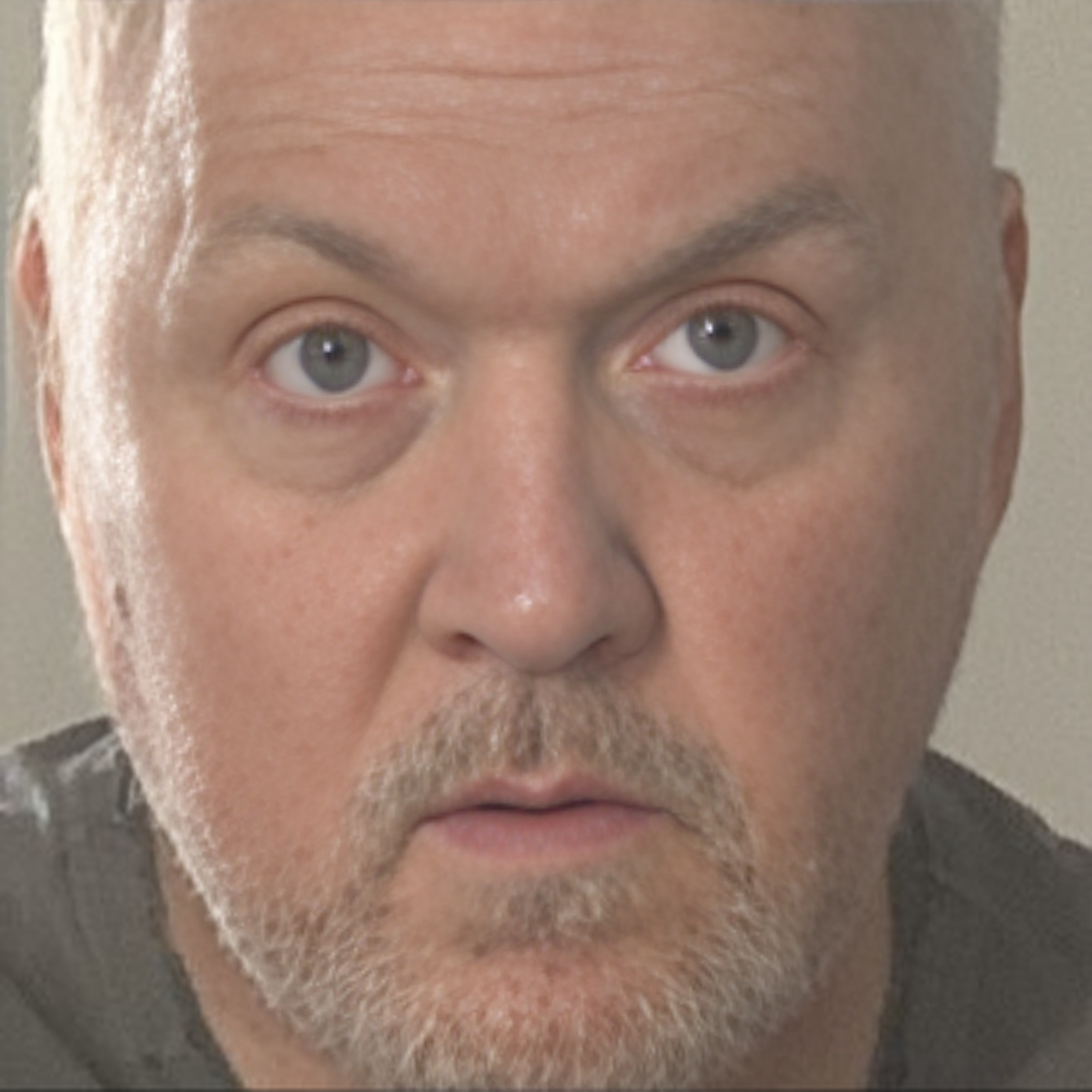
Dr. Karan Dhir, MD
Board Certified Facial Plastic Surgeon
22+ years of experience · self-reported
In Dr. Karan Dhir's own words
How Dr. Karan Dhir describes their own approach, from their TikTok posts. Each statement links to the original.
Approach
Technique
- I always prefer when patients go to someone who actually understands the greater nuances of width and shapesTikTok ↗
- Anytime there's thin skin and some movement, I typically find that can increase the infection rateTikTok ↗
- The reason I prefer not to do them is not because it's wrongTikTok ↗
- When we place this here, it does not fit the same way in every patientTikTok ↗
Results
- The practice will not perform procedures if they do not look good in 5–10 years.TikTok ↗
Statements are quoted or closely paraphrased from Dr. Karan Dhir's own public posts and are their claims, not NavMDs' medical advice. Doctors can correct or remove any item via their claimed profile or support [at] navmds.com.
About
Connect with Dr. Karan Dhir on Social Media
Specialties
- Board Certified Facial Plastic Surgeon
Procedures & Services
Select a service to schedule an appointment · each is approximately 60 minutes
Procedure details
Everything on this page about each procedure Dr. Karan Dhir offers: pricing in context, what they've said about it, related videos and photos, and what patients ask.
Questions, Answers, and Information Directly from Dr. Karan Dhir
Sourced directly from Dr. Karan Dhir's social posts and replies.
What patients ask Dr. Karan Dhir
Questions people asked under Dr. Karan Dhir's TikTok videos, 2 answered by the doctor.
How long does the swelling typically last after custom jaw implant surgery?
Can primary rhinoplasty improve breathing issues in addition to aesthetic concerns?
Besides infection risk, what are the other key differences, pros, and cons of titanium versus silicone implants?
asked on TikTok ↗· not yet answered
Why do you choose not to perform tear trough or infraorbital fillers, and what alternatives do you recommend?
asked on TikTok ↗· not yet answered
What conditions or aesthetic concerns can orbital implants address?
asked on TikTok ↗· not yet answered
Are jaw implants permanent, or do they need to be replaced over time?
asked on TikTok ↗· not yet answered
What is the average cost range for custom jaw implants?
asked on TikTok ↗· not yet answered
How long do the results of a direct lip lift typically last?
asked on TikTok ↗· not yet answered
What is the typical recovery time for a direct lip lift, and how visible is the scarring?
asked on TikTok ↗· not yet answered
How long does it take to see the final results of a rhinoplasty, especially for subtle changes?
asked on TikTok ↗· not yet answered
Are you Dr. Karan Dhir? 8 of these questions are waiting for an answer. Claim your profile to respond.
Questions are from public comments, shown without the commenter's name. Answers are Dr. Karan Dhir's own statements from their videos and replies, not NavMDs' medical advice.
Videos from Dr. Karan Dhir
@dhirplasticsurgery on TikTok →Videos posted on TikTok by @dhirplasticsurgery. Press play to watch here, or open the original on TikTok.
How do Custom Jaw Implants work? 💉 Let’s chat about the gold standard for chin and jaw enhanceme…
285.9K views · Jul 2025 · TikTok ↗
I’m gonna keep it 💯 with you — I do NOT do tear trough or infraorbital implants. And if you’re t…
116.4K views · Nov 2025 · TikTok ↗
If you’re considering a custom jaw implant, allow me to walk you through the unique process!
110.5K views · Sep 2025 · TikTok ↗
I’ve been getting a lot of questions about 👁️ orbital implants — so let’s clear it up! These go…
109.4K views · Oct 2025 · TikTok ↗
Only 6 days post-op and look at that jawline! 💥💪🏼 This patient is healing beautifully after re…
101.7K views · Jun 2025 · TikTok ↗
💬 One of the most common questions I get about jaw implants is: “Do they eat away at the bone?”…
94.7K views · Oct 2025 · TikTok ↗
From Dr. Karan Dhir's Instagram
@dhirplasticsurgery →Recent photos posted by @dhirplasticsurgery, Dr. Karan Dhir's own Instagram account. Each image opens the original post on Instagram.

Images © Dr. Karan Dhir / @dhirplasticsurgery, shown here with a link to the original post. Procedure labels are inferred from the post's caption and hashtags. If you are the account owner and want an image removed, contact support [at] navmds.com.
Patient Experience
Dr. Karan Dhir Review Summary
Ratings from Other Platforms
Main Office
433 N Camden Dr #770, Beverly Hills, California
Book a Service Consultation
Each service is approximately 60 minutes.
Industry Payments
Federal law (the Physician Payments Sunshine Act) requires drug and medical-device companies to report anything of value they give to a physician — consulting and speaking fees, research funding, travel, royalties, and even meals. Medicare publishes all of it in a public database called Open Payments. We show it here so you don't have to go looking for it.
Total received (2024)
$445
Payments
10
Compared to peers
Small
Dr. Karan Dhir received $445 across 10 payments in 2024. That is in the lower half for physicians here — totals this size are typically meals at sponsored talks. Most of it was categorised as food and beverage, and the largest single payer was ABBVIE INC..
What this means for your care
- A disclosed payment is a business relationship, not evidence of wrongdoing, and it says nothing on its own about the quality of your care.
- Most payments are small. Across the physicians listed on NavMDs, the single most common category is food and beverage at industry-sponsored talks.
- Larger consulting, speaking or royalty payments mean an ongoing financial relationship with a company whose products your doctor may use or recommend. That is worth knowing about, and it is reasonable to ask about.
- A fair question to ask: “Do you have a financial relationship with the maker of the implant, filler or device you're recommending — and what alternatives did you consider?”
Source: CMS Open Payments, the federal database created by the Sunshine Act. View the full record on CMS Open Payments ↗
Patient Awards
Insurance Information
Please contact Dr. Karan Dhir's office directly for information about accepted insurance plans.
Help us improve this profile
Do you know which insurance plans Dr. Karan Dhir accepts? Share this information to help other patients.
Location & Contact Information
Main Office
433 N Camden Dr #770
Beverly Hills, California 90210
Office Information
Where does Dr. Karan Dhir practice?
Doctor's Office
Main Office (Primary)
433 N Camden Dr #770, Beverly Hills, California 90210
Hospital Affiliations
Hospital affiliations unknown
Do you know which hospitals Dr. Karan Dhir is affiliated with? This information helps patients understand where they might receive care.
Education & Experience
Education
Certifications & Licenses