
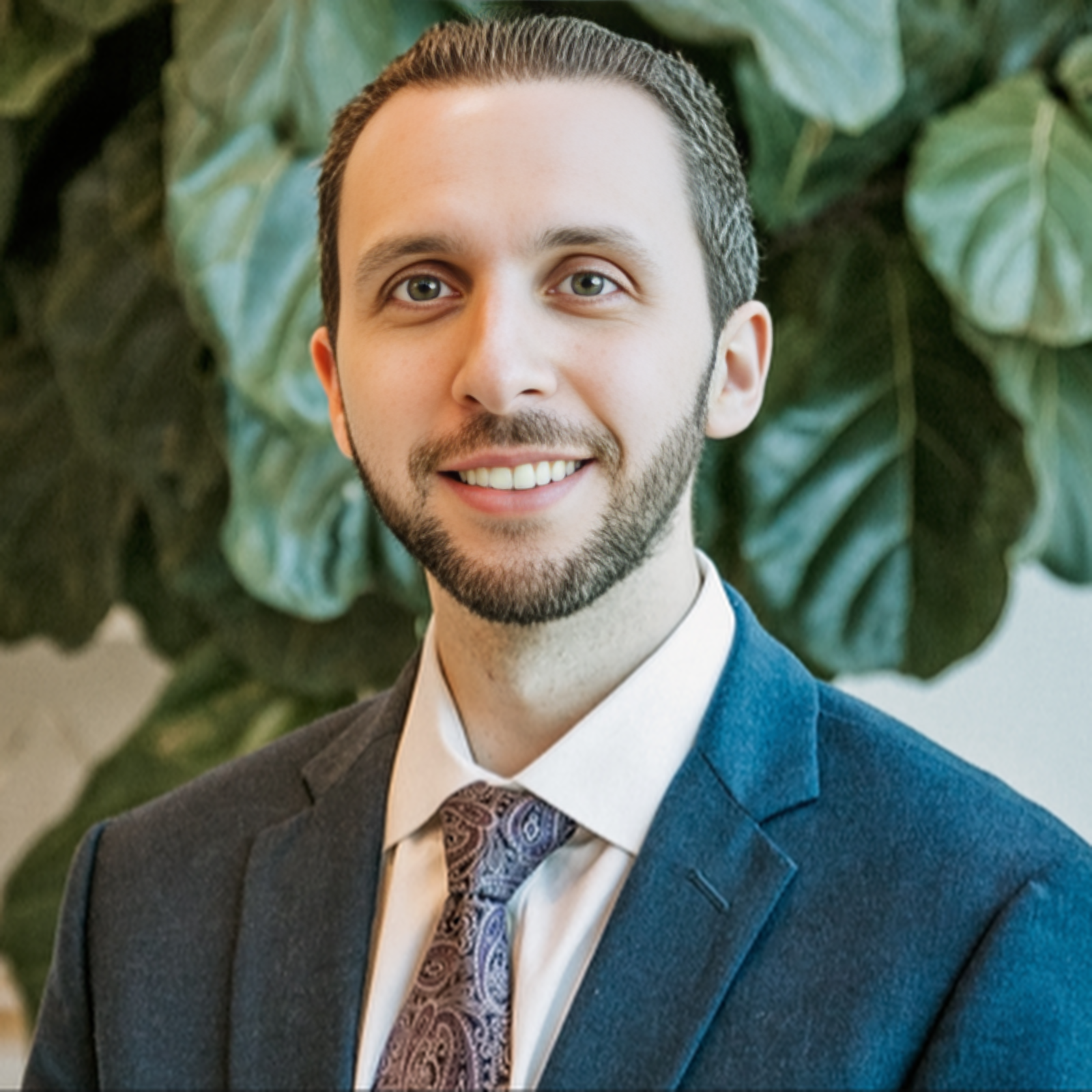
Dr. Jared Blau, MD
Board Eligible Plastic Surgeon
Consultation $250
In Dr. Jared Blau's own words
How Dr. Jared Blau describes their own approach, from their TikTok posts. Each statement links to the original.
Specialization
Technique
- Sometimes with an implant, sometimes not, you know different techniques that we can useTikTok ↗
- But most cases, it's going to be a dual-plane 1, which means we put the implant on the muscleTikTok ↗
- We don't drag the muscle down to completely wrap the implant in the muscleTikTok ↗
- The practice aims to exclude bacteria from the skin and nipple as much as possible during implant procedures.TikTok ↗
Recovery guidance
- The practice advises against underwire bras in the early post-operative period because they put too much pressure on the incision.TikTok ↗
Safety
- The practice performs awake implant exchanges.TikTok ↗
Statements are quoted or closely paraphrased from Dr. Jared Blau's own public posts and are their claims, not NavMDs' medical advice. Doctors can correct or remove any item via their claimed profile or support [at] navmds.com.
About
Connect with Dr. Jared Blau on Social Media
Specialties
- Board Eligible Plastic Surgeon
Procedures & Services
Select a service to schedule an appointment · each is approximately 60 minutes
Procedure details
Everything on this page about each procedure Dr. Jared Blau offers: pricing in context, what they've said about it, related videos and photos, and what patients ask.
Average Cost of Surgery
Healthcare costs shouldn't be a mystery. Below, you'll find crowdsourced data on the actual costs of surgeries performed by Dr. Jared Blau, submitted anonymously by the patient community. Use this as a guide to better anticipate your own expenses. Please note that final costs can vary based on your specific medical needs.
Breast Augmentation
$8,000
About typicalTypical in New York: $7,750–$11,700 (median $9,000, 39 reports) compare ↗
Help us keep this data current and accurate. If you've had a procedure with Dr. Jared Blau, please take a moment to contribute your cost information.
Questions, Answers, and Information Directly from Dr. Jared Blau
Sourced directly from Dr. Jared Blau's social posts and replies.
What patients ask Dr. Jared Blau
Questions people asked under Dr. Jared Blau's TikTok videos, 3 answered by the doctor.
Does the 'no-touch' technique significantly reduce the risk of capsular contracture or infection?
asked on TikTok ↗· 295 engagements
How does the 'math' of implant design translate into choosing the right size and projection for an individual patient?
asked on TikTok ↗· 190 engagements
What exactly is the lateral canthal region and what kind of results can be expected from tightening it?
asked on TikTok ↗· 125 engagements
Is an 'awake exchange' procedure common, and what kind of anesthesia is used to ensure comfort?
asked on TikTok ↗· 520 engagements· not yet answered
What are the specific risks associated with OTM (over the muscle) placement compared to UTM (under the muscle)?
asked on TikTok ↗· 450 engagements· not yet answered
What exactly is Exparel and how long does its pain-reducing effect typically last after a tummy tuck?
asked on TikTok ↗· 380 engagements· not yet answered
What are the main differences in recovery time and pain level between dual plane and fully under the muscle implant placement?
asked on TikTok ↗· 340 engagements· not yet answered
Does dual plane placement always result in a more natural look compared to other options?
asked on TikTok ↗· 280 engagements· not yet answered
Is tuberous breast correction typically covered by insurance, or is it considered cosmetic?
asked on TikTok ↗· 175 engagements· not yet answered
Are you Dr. Jared Blau? 6 of these questions are waiting for an answer. Claim your profile to respond.
Questions are from public comments, shown without the commenter's name. Answers are Dr. Jared Blau's own statements from their videos and replies, not NavMDs' medical advice.
Videos from Dr. Jared Blau
@dr.jaredblau on TikTok →Videos posted on TikTok by @dr.jaredblau. Press play to watch here, or open the original on TikTok.
Tuberous breast shape refers to a siuation where the breast hasnt been allowed to expand fully an…
176.6K views · Feb 2024 · TikTok ↗
OTM vs UTM? People often ask what the difference is in position. The pectoralis major, the muscle…
5.7K views · Nov 2024 · TikTok ↗
Come with us to perform an awake exchange! I am so grateful to my patient for sharing her experience
4.2K views · Nov 2024 · TikTok ↗
A lot of math, specifically geometry, goes into designing our plastic procedures. Here is an exam…
3.3K views · Oct 2024 · TikTok ↗
At Amelia, we use the exparel shot with every tummy tuck (and it’s included in the price) It redu…
2.9K views · Aug 2024 · TikTok ↗
We avoid underwires after surgery since they can press on the scar. Gentle compression and suppor…
2.4K views · Mar 2024 · TikTok ↗
Technologies & brands Dr. Jared Blau mentions
Devices, implants, injectables and products named in Dr. Jared Blau's own posts and videos. A mention is not an endorsement; ask the office what they currently offer.
Patient Experience
Dr. Jared Blau Review Summary
Ratings from Other Platforms
Main Office
535 5th Ave 29th floor, New York, New York
Book a Service Consultation
Consultation fee: $250
Each service is approximately 60 minutes.
Industry Payments
Federal law (the Physician Payments Sunshine Act) requires drug and medical-device companies to report anything of value they give to a physician — consulting and speaking fees, research funding, travel, royalties, and even meals. Medicare publishes all of it in a public database called Open Payments. We show it here so you don't have to go looking for it.
Total received (2024)
$1,350
Payments
14
Compared to peers
Moderate
Dr. Jared Blau received $1,350 across 14 payments in 2024. That is higher than about 71% of the physicians here who received any industry payment. Most of it was categorised as travel and lodging, and the largest single payer was Mentor Worldwide LLC.
What this means for your care
- A disclosed payment is a business relationship, not evidence of wrongdoing, and it says nothing on its own about the quality of your care.
- Most payments are small. Across the physicians listed on NavMDs, the single most common category is food and beverage at industry-sponsored talks.
- Larger consulting, speaking or royalty payments mean an ongoing financial relationship with a company whose products your doctor may use or recommend. That is worth knowing about, and it is reasonable to ask about.
- A fair question to ask: “Do you have a financial relationship with the maker of the implant, filler or device you're recommending — and what alternatives did you consider?”
Source: CMS Open Payments, the federal database created by the Sunshine Act. View the full record on CMS Open Payments ↗
Insurance Information
Please contact Dr. Jared Blau's office directly for information about accepted insurance plans.
Help us improve this profile
Do you know which insurance plans Dr. Jared Blau accepts? Share this information to help other patients.
Location & Contact Information
Main Office
535 5th Ave 29th floor
New York, New York 10017
Office Information
Where does Dr. Jared Blau practice?
Doctor's Office
Main Office (Primary)
535 5th Ave 29th floor, New York, New York 10017
Hospital Affiliations
Help improve our data. Confirm if Dr. Jared Blau is affiliated with Durham Veterans Affairs Medical Center.
Help improve our data. Confirm if Dr. Jared Blau is affiliated with Lenox Hill Hospital.
Education & Experience
Education
Certifications & Licenses