NavMDs
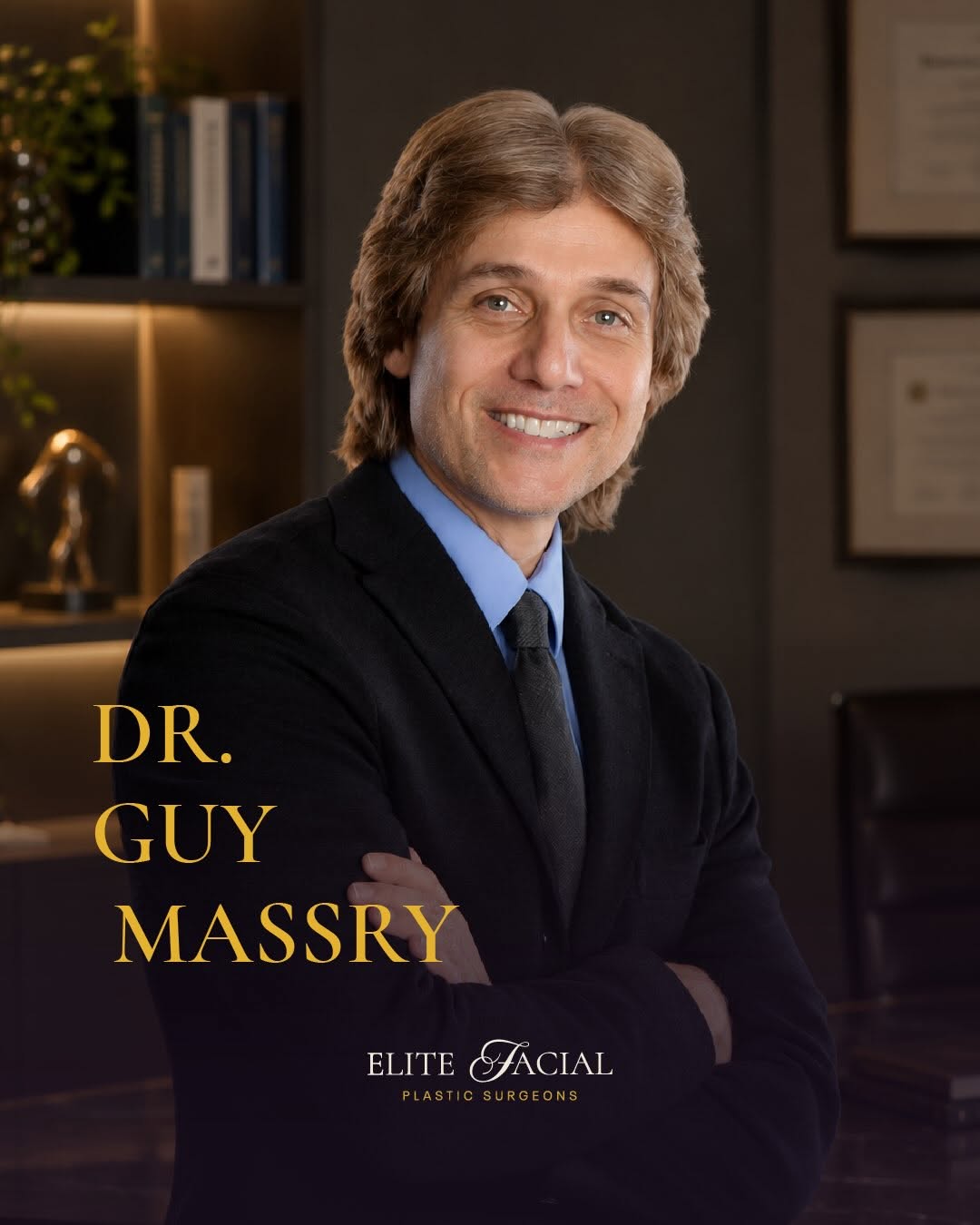
Dr. Guy Massry, MD - Oculoplastic Surgeon, Board Certified in Ophthalmology in Beverly Hills, California

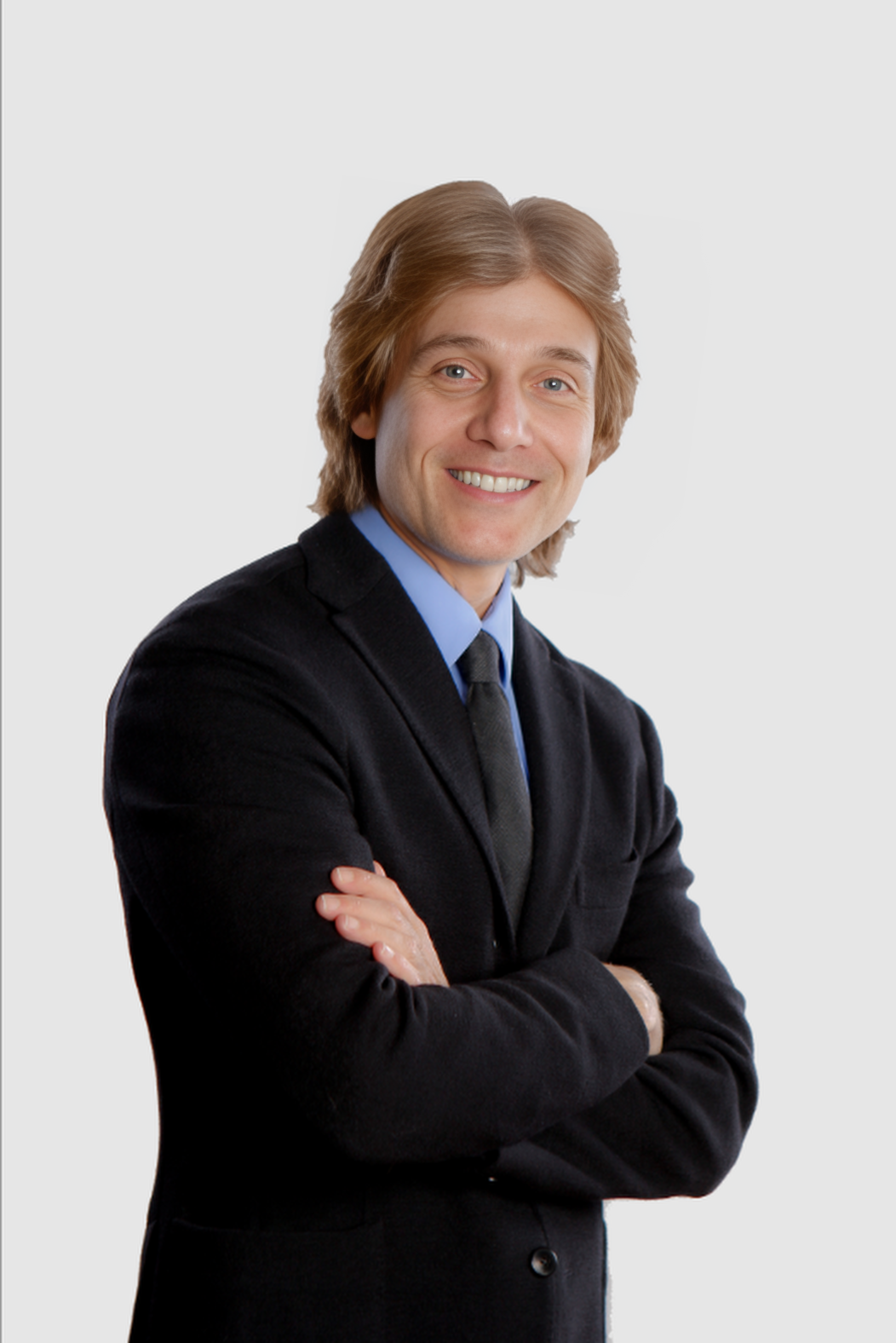
Dr. Guy Massry, MD

Oculoplastic Surgeon, Board Certified in Ophthalmology

Beverly Hills, California
NPI: 1134137441· License: G72245 (CA) verify

29+ years of experience · self-reported

Medical school: University Of Southern California Keck School Of Medicine · Graduated 1990(~36 yrs since med school)
Industry payments (2024): $233 across 2 payments (what this means)
4.79(124 ratings)

In Dr. Guy Massry's own words

How Dr. Guy Massry describes their own approach, from their Instagram posts. Each statement links to the original.

Approach

  • My job isn’t just to operate it’s to make sure you know what to expect so you can make informed decisions
  • I'm trying to keep you safe and this is what I've learned over the years
  • Number one, tell me about my eyebrow position. Is it low? Remember, if the brow comes down, it mechanically hoods the lids. And if you do only eyelid surgery, you can pull the brow down further and create more hooding. So if the brow needs to be adjusted, adjust it

Specialization

  • Dr. Guy Massry specializes in using fillers for filling the upper lid hollow.
  • Dr. Massry's 'brow re-contour' is his specific approach to a brow lift.

Technique

  • Dr. Guy Massry typically fixes this condition by raising the cheek from below to add skin to the lower lids and uses other adjunctive procedures.
  • Dr. Guy Massry believes that leaving the arcubate expansion (Clifford's ligament) intact during lower blepharoplasty can prevent upper eyelid hollows.

Consultation

  • But in his case, he's failed two revisions, it's very severe and we discussed the options of skin grafting and I showed him patients, pictures of that and we've decided to go that way

Recovery guidance

  • It's okay if the brow looks high at first. It's going to drop 20 to 30%

Safety

  • And I don't get the blue color change and swelling like I do in the lower lids so much
  • Never treat these with fillers to hide the festoon. Fillers make this worse, especially if they're wet

Results

  • We kill two birds with one shot. We reduce the fat and fill the hollow

Statements are quoted or closely paraphrased from Dr. Guy Massry's own public posts and are their claims, not NavMDs' medical advice. Doctors can correct or remove any item via their claimed profile or support [at] navmds.com.

About

Dr. Guy Massry is a board-certified oculoplastic surgeon practicing in Beverly Hills, California. He specializes in aesthetic and reconstructive surgery around the eyes, including eyelids, eyebrows, forehead, and mid-face, and is a revision specialist for prior unsuccessful eye procedures. Dr. Massry advocates for conservative fat excision during eyelid surgery to avoid hollowing and maintain a natural appearance, and strongly advises against muscle excision to protect blink and eyelid closure. He believes that significant improvement often comes from multiple small, subtle changes, leading to natural and balanced outcomes. He often combines fat repositioning and fat grafting for lower eyelid hollows and prefers fillers for upper eyelid A-frame hollows, using a blunt cannula for injection. Dr. Massry's approach includes thoroughly explaining anatomy, procedures, recovery, and expected results, ensuring patients make informed decisions. He recognizes the emotional toll of conditions like severe lower eyelid retraction, understanding that procedures such as skin grafts can offer profound relief beyond just physical correction.

Connect with Dr. Guy Massry on Social Media

Specialties

  • Oculoplastic Surgeon, Board Certified in Ophthalmology

Procedures & Services

Select a service to schedule an appointment · each is approximately 60 minutes

Procedure details

Everything on this page about each procedure Dr. Guy Massry offers: pricing in context, what they've said about it, related videos and photos, and what patients ask.

Average Cost of Surgery

Healthcare costs shouldn't be a mystery. Below, you'll find crowdsourced data on the actual costs of surgeries performed by Dr. Guy Massry, submitted anonymously by the patient community. Use this as a guide to better anticipate your own expenses. Please note that final costs can vary based on your specific medical needs.

Eyelid Surgery

$35,000

Above typicalTypical in Beverly Hills: $4,150–$7,500 (median $5,000, 20 reports) compare ↗

Eyelid Retraction Repair

$36,000

Above typicalTypical nationally: $2,000–$9,700 (median $3,080, 5 reports) compare ↗

Help us keep this data current and accurate. If you've had a procedure with Dr. Guy Massry, please take a moment to contribute your cost information.

Questions, Answers, and Information Directly from Dr. Guy Massry

Sourced directly from Dr. Guy Massry's social posts and replies.

What common misconceptions do patients have before eyelid surgery?
Dr. Massry notes that most people ask the wrong questions before eyelid surgery, emphasizing the importance of comprehensive patient education to ensure informed decisions. For example, a low brow can mechanically hood the eyelids, mimicking excess lid skin, and if the brow is low, it may be advisable to address this before or in conjunction with eyelid surgery.
What are the risks of excessive skin or fat removal during eyelid surgery?
Removing too much skin during eyelid surgery risks incomplete eyelid closure, which can be a lifelong problem. Similarly, removing too much fat can lead to hollowing, which can make a patient look older. Unrecognized ptosis (drooping eyelid) can also become more apparent after eyelid surgery.
Can lower eyelid surgery (blepharoplasty) make upper eyelids look hollow?
While it may sound unlikely, the theory that lower eyelid surgery could make upper eyelids look hollow is anatomically plausible, especially if surgery changes the fat or supporting tissues around the eye. During lower blepharoplasty, some fat may be removed, or surgical techniques might affect supporting ligaments, potentially causing the eye to shift slightly. However, Dr. Massry notes there are no strong clinical studies proving this causation, and for now, upper eyelid hollowing after lower blepharoplasty remains a theoretical possibility, not a confirmed complication.
What temporary effects can patients expect during brow lift recovery?
After a brow lift, several effects can look or feel concerning but are almost always temporary. These include the brows appearing too high (often intentionally positioned higher as they are expected to settle), scalp numbness (sensation gradually returns over weeks to months), lumps and bumps behind the hairline at incision sites (due to swelling and sutures, which smooth out with healing), early asymmetry where one brow moves more than the other (due to swelling and temporary nerve effects, improving with healing), and a temporary 'Botox effect' (unusually smooth forehead related to swelling and reduced movement). Dr. Massry emphasizes that what is seen in the first few days or weeks is NOT the final result, and understanding the healing process can significantly reduce fear and anxiety.
What should patients know about eyelid skin grafts for lower eyelid retraction?
Eyelid skin grafts are an important tool for repairing a pulled-down or retracted lower eyelid, especially in severe cases or after complicated/unfavorable lower blepharoplasty. While most cases can be corrected without a graft, adding skin via a graft may be necessary when retraction is severe, less invasive approaches have failed, or the eye is naturally prominent/bulgy. Dr. Massry emphasizes that skin grafts must be used for the right reasons and their indications respected. Patients should not fear them, but understand they require patience during healing. Early on, grafts may show color mismatch, visible edges, or noticeable scars, and at one week post-surgery, they are expected to look different. However, with proper technique and healing, these initial differences can soften dramatically, and over several months, a well-healed graft should continue to smooth, soften, and blend remarkably well. For the right patient, a skin graft can be life-changing, restoring the eyelid and addressing the significant emotional toll severe retraction can take.
What is the difference between festoons and malar bags, and how are they treated?
Festoons and malar bags are distinct problems that should not be treated identically, making accurate diagnosis crucial. Festoons are hammock-like folds of skin and tissue where the lower eyelid meets the cheek, categorized as 'dry' (primarily loose, overhanging skin, often effectively treated with direct excision, with incisions healing very well in properly selected patients) or 'wet' (associated with fluid accumulation and swelling, requiring a different or combined approach). Malar bags appear as prominences over the upper cheek, often accentuated by hollows and volume changes above and below them, and are not simply excess skin. Energy-based treatments such as laser or radiofrequency may help improve their appearance, but malar bags are generally much less amenable to direct surgical excision compared to dry festoons. Dr. Massry advises extreme caution when treating either condition with filler, as adding volume to an area already prone to prominence or fluid retention can worsen the problem's appearance.
What combination of procedures does Dr. Massry use for natural eyelid rejuvenation?
Dr. Massry often combines several subtle procedures to achieve a natural, balanced, and refreshed outcome. This can include a small upper eyelid blepharoplasty to improve the upper lid near the nose, a lower eyelid blepharoplasty to reduce lower lid bags, and fat used to smooth hollow areas beneath the lower lid bags. Laser resurfacing can also be added if wrinkles are a concern.
What are the differences between fat repositioning and fat grafting for lower eyelid hollows, and which does Dr. Massry prefer?
Both fat repositioning and fat grafting can be effective for lower eyelid hollows, but they are very different approaches. Fat repositioning involves moving the native eyelid fat (that creates the 'bag') into the hollow below, simultaneously reducing the bag and filling the hollow. This technique is anatomically sound, well-supported in literature, and reliable due to maintaining vascular connection, though it has a significant learning curve and is technically demanding, requiring surgeon experience. Fat grafting, conversely, harvests fat from another body area via liposuction, processes it, and injects it into the hollow. It provides an additional fat source for precise augmentation but requires a separate donor site, and the graft must establish a new blood supply, leading to variable fat retention. Fat grafting fills the hollow but doesn't directly eliminate the eyelid bag, so the protruding fat may need separate addressing if used alone. Dr. Massry often combines both techniques, using existing fat with repositioning and adding volume with grafting where needed, believing 'sometimes the best answer isn’t either/or—it’s both.'
How does Dr. Massry treat an A-frame hollow in the upper eyelid?
An A-frame hollow is a specific and common hollow of the upper eyelid that peaks closer to the nose, often a classic sign of over-resected fat after upper blepharoplasty or age-related changes. This can be corrected by either fat grafting or fillers. Dr. Massry prefers fillers for A-frame hollows in the upper eyelid because he does not commonly see the swelling and color changes associated with fillers in the lower lid. His technique involves perforating the skin with a sharp needle to create a small opening, then filling with a blunt cannula for reduced risk, injecting small amounts of filler deeply with multiple passes. He emphasizes that subtleties are important in achieving desired surgical outcomes.
Are the before and after photos on Dr. Massry's profile provided by patients?
Yes, Dr. Massry sometimes shares before and after photos that were provided directly by the patient to him, ensuring an authentic representation of their results.

From Dr. Guy Massry's Instagram

@drguymassry →

Recent photos posted by @drguymassry, Dr. Guy Massry's own Instagram account. Each image opens the original post on Instagram.

Images © Dr. Guy Massry / @drguymassry, shown here with a link to the original post. Procedure labels are inferred from the post's caption and hashtags. If you are the account owner and want an image removed, contact support [at] navmds.com.

Technologies & brands Dr. Guy Massry mentions

Devices, implants, injectables and products named in Dr. Guy Massry's own posts and videos. A mention is not an endorsement; ask the office what they currently offer.

InjectablesBotox

Patient Experience

Dr. Guy Massry Review Summary

4.78
Dr. Massry receives stellar reviews, averaging a 4.8 out of 5 stars. Patients consistently praise his surgical skills and natural-looking results, with ratings from various sources like Yelp, Facebook, and RealSelf all averaging above 4.6.

Ratings from Other Platforms

yelp.com

4.7 out of 5

Based on 145 reviews

View on yelp.com

facebook.com

4.6 out of 5

Based on 38 reviews

View on facebook.com

realself.com

4.9 out of 5

Based on 188 reviews

View on realself.com
Dr. Guy Massry, MD - Oculoplastic Surgeon, Board Certified in Ophthalmology in Beverly Hills, California

Massry Ophthalmic Plastic &

150 N. Robertson Blvd., Ste. 314, Beverly Hills, California

Book a Service Consultation

Each service is approximately 60 minutes.

Industry Payments

Federal law (the Physician Payments Sunshine Act) requires drug and medical-device companies to report anything of value they give to a physician — consulting and speaking fees, research funding, travel, royalties, and even meals. Medicare publishes all of it in a public database called Open Payments. We show it here so you don't have to go looking for it.

Total received (2024)

$233

Payments

2

Compared to peers

Small

Dr. Guy Massry received $233 across 2 payments in 2024. That is in the lower half for physicians here — totals this size are typically meals at sponsored talks. Most of it was categorised as food and beverage, and the largest single payer was ABBVIE INC..

What this means for your care

  • A disclosed payment is a business relationship, not evidence of wrongdoing, and it says nothing on its own about the quality of your care.
  • Most payments are small. Across the physicians listed on NavMDs, the single most common category is food and beverage at industry-sponsored talks.
  • Larger consulting, speaking or royalty payments mean an ongoing financial relationship with a company whose products your doctor may use or recommend. That is worth knowing about, and it is reasonable to ask about.
  • A fair question to ask: “Do you have a financial relationship with the maker of the implant, filler or device you're recommending — and what alternatives did you consider?”

Source: CMS Open Payments, the federal database created by the Sunshine Act. View the full record on CMS Open Payments ↗

Insurance Information

Please contact Dr. Guy Massry's office directly for information about accepted insurance plans.

Help us improve this profile

Do you know which insurance plans Dr. Guy Massry accepts? Share this information to help other patients.

Location & Contact Information

Massry Ophthalmic Plastic &

150 N. Robertson Blvd., Ste. 314

Beverly Hills, California

Office Information

Where does Dr. Guy Massry practice?

Doctor's Office

Massry Ophthalmic Plastic & (Primary)

150 N. Robertson Blvd., Ste. 314, Beverly Hills, California

(188 reviews)

Hospital Affiliations

Hospital affiliations unknown

Do you know which hospitals Dr. Guy Massry is affiliated with? This information helps patients understand where they might receive care.

Education & Experience

Education

St. Louis University: Anheuser-busch Eye Institute

Certifications & Licenses

Board Certified In Ophthalmology

Frequently Asked Questions

Can you make an appointment with Dr. Guy Massry online?
The provided information doesn't confirm online booking availability. It's best to visit www.drmassry.com or contact the office directly.
Does Dr. Guy Massry offer telehealth?
Telehealth availability isn't specified in the provided information. Contacting the office directly is recommended for clarification.
What do patients have to say about Dr. Guy Massry?
Patients rave about Dr. Massry's ability to restore natural appearances, particularly after previous unsuccessful surgeries. They express high satisfaction with their results, highlighting the subtle yet rejuvenating outcomes and minimal scarring. Several reviews specifically mention successful canthoplasty and blepharoplasty procedures, with patients regaining a youthful look and feeling confident in their appearance. Dr. Massry values patient perspectives, believing that hearing directly from individuals who have undergone eyelid surgery can be incredibly valuable for those considering the procedure.
What areas of care does Dr. Guy Massry cater to?
Dr. Massry specializes in oculoplastic surgery, focusing on the area around the eyes. This includes aesthetic and reconstructive procedures of the eyelids, eyebrows, forehead, and mid-face. He also has a particular interest in revisional surgeries to correct prior unsuccessful eye procedures. Advocates for conservative fat excision during eyelid surgery to avoid hollowing and maintain a natural appearance. Strongly advocates against muscle excision during eyelid surgery to protect blink and eyelid closure force, which is considered very important for long-term function and health. Believes surgeons should thoroughly explain the anatomy, procedure, recovery, and expected results of eyelid surgery to patients. Recognizes that severe lower eyelid retraction can have an enormous emotional toll on patients, and therefore, procedures like skin grafts can mean much more than just fixing an eyelid.