Sourced directly from Dr. Darice W. Fadeyi's social posts and replies.
What is Alpha-gal Syndrome and how is it treated?
Alpha-gal syndrome is an allergic reaction to the alpha-gal carbohydrate molecule, which is found in meat and other products of mammals (like pig, cattle, sheep, deer, and horse), and also in the saliva of certain ticks, such as the Lone Star tick in the United States. A delayed immune reaction can be triggered upon consumption of mammalian products, including meat, dairy, and mammalian-sourced gelatins (which can also be a vehicle for certain vaccines). Symptoms can even be triggered by mammalian-sourced suture materials like cat gut. The reaction is usually limited to hives and abdominal distress, but can be severe, involving swelling, breathing difficulty, and anaphylaxis. Treatment generally involves avoidance of all meat products, DEET, and antihistamines, with epinephrine used for emergencies.
How does smoking and nicotine affect skin health and healing?
Smoking damages collagen and elastin, increases free radical production, and leads to skin dryness, sagging, loss of elasticity, and increased susceptibility to skin cancers. Nicotine is also a potent vasoconstrictor, meaning it constricts blood vessels. This vasoconstrictive effect causes any damage to the skin, including intentional damage from surgery or laser rejuvenation, to heal much slower and makes it more prone to infection.
What is Dr. Fadeyi's philosophy on skincare routines and product selection?
Dr. Fadeyi emphasizes that a consistent skincare routine is more important than individual products. She recommends keeping routines simple and consistent, with a perfect framework including a gentle cleanser, a retinoid, and quality sunscreen. She advises against experimenting with many 'hot' products, as this increases the likelihood of irritation, poor compatibility, and lack of benefit. She also warns that 'angel dusted products' contain minuscule amounts of active ingredients, not enough to provide actual benefit. For effective results, she notes specific concentration requirements for active ingredients: Vitamin C serum (10-20%), Kojic Acid (1-4%), Tranexamic Acid (0.5-2.5%), and Niacinamide (2%).
What is Dr. Fadeyi's approach to filler safety and potential risks?
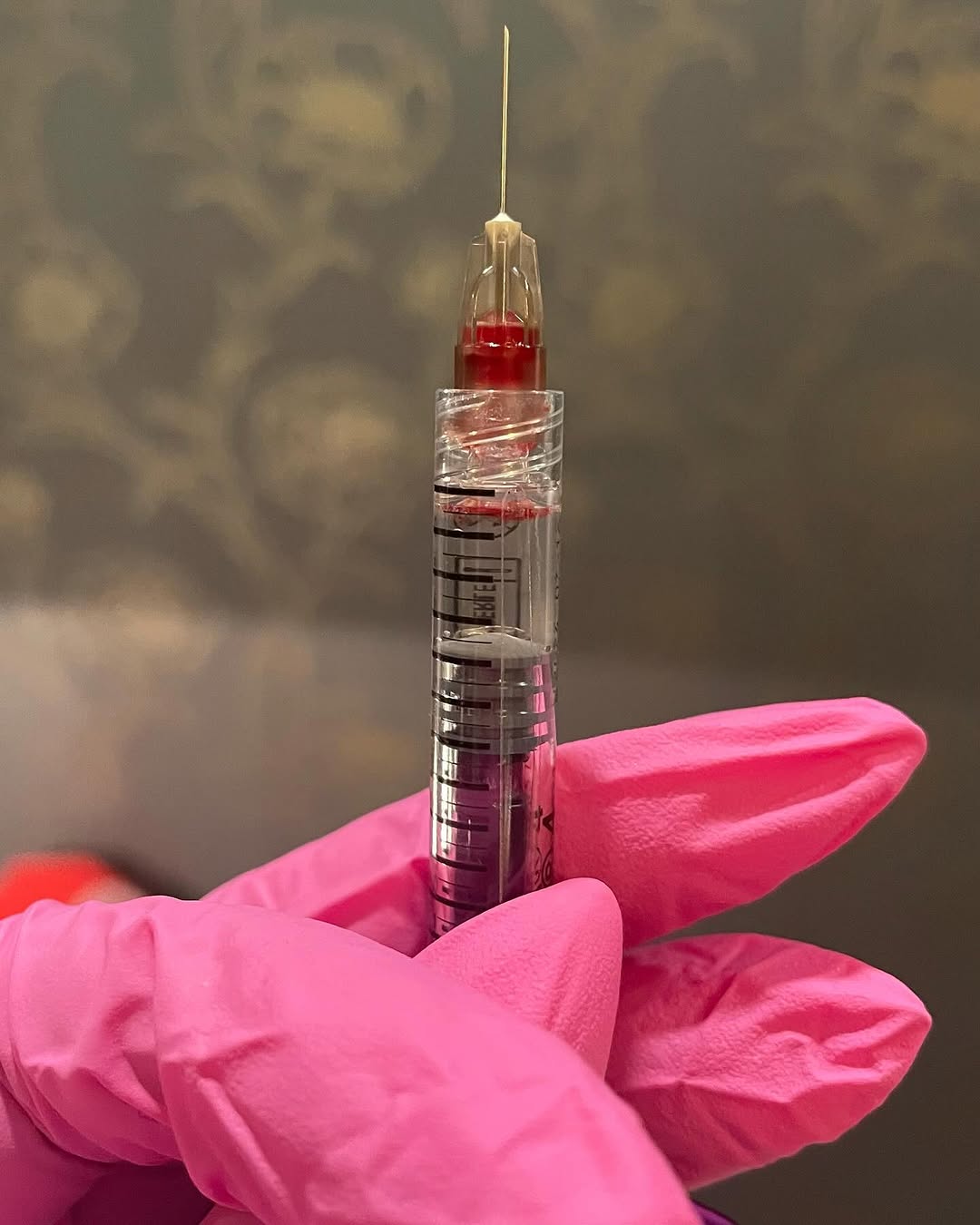
Dr. Fadeyi stresses that filler injections are not quick lunchtime procedures; sufficient time is required to implement necessary safety precautions. She highlights vascular occlusion as a rare but serious adverse event that occurs when filler blocks blood flow, potentially leading to complications like necrosis, stroke, ulceration, and blindness. While anatomical knowledge helps, it's impossible to see or predict every vascular pattern. She diligently uses aspiration (withdrawing the plunger for a period of time) before injecting to detect if the needle is inside a vessel, stopping if blood is present. This diligent process means every slow injection takes approximately 30 seconds, and the process cannot be rushed. She advises patients to consider whether the risk of patronizing quick spas that do not take aspiration precautions is worth potential cost savings.
What is the Scalp Purifying Solution from Dr. Fadeyi's practice?
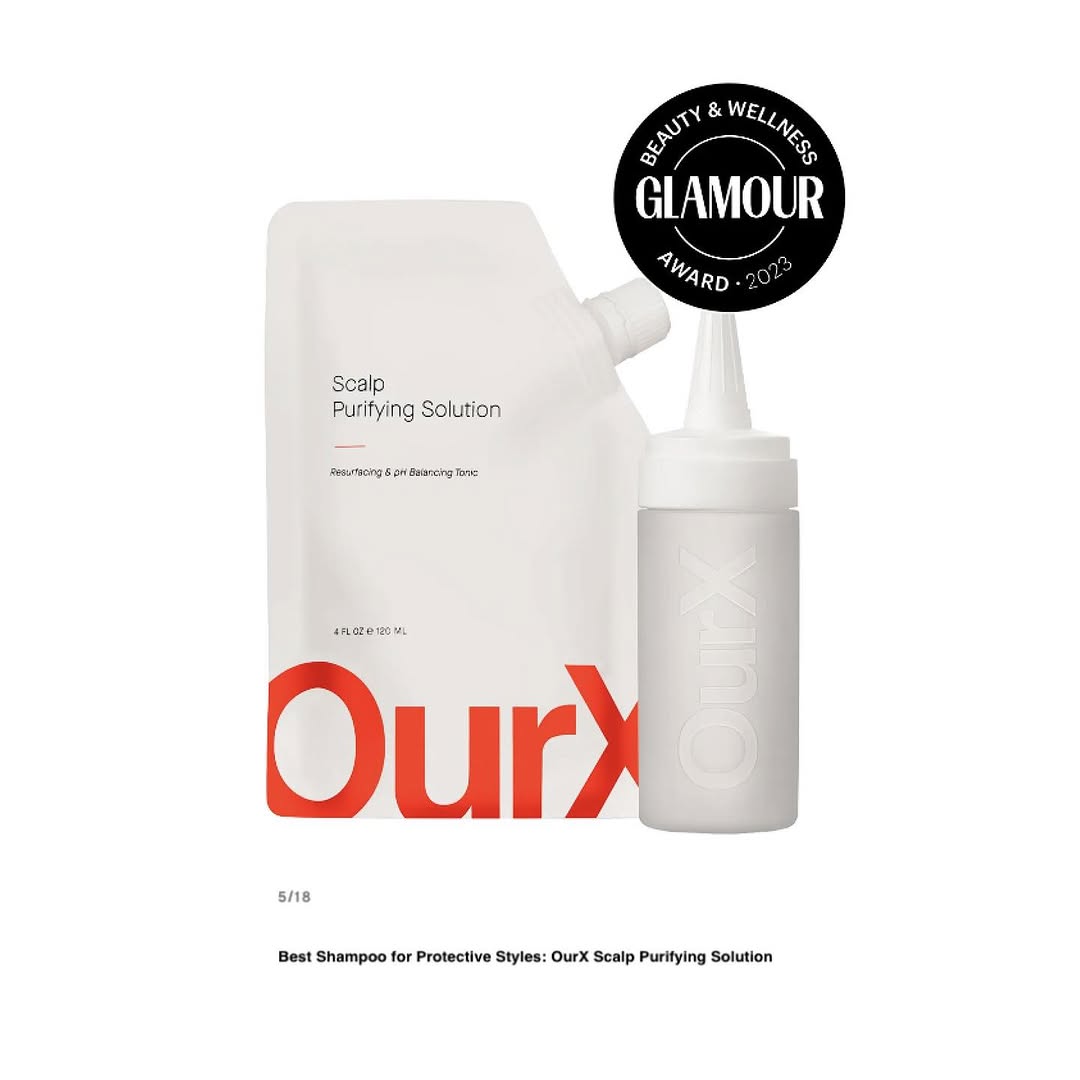
The Scalp Purifying Solution from Dr. Fadeyi's practice won the 'Best Shampoo for Protective Styles' Glamour Beauty Award. It is recommended for use with protective styles, as a refresh between wash days, or after the gym.
When should I seek professional help for hair and scalp changes?
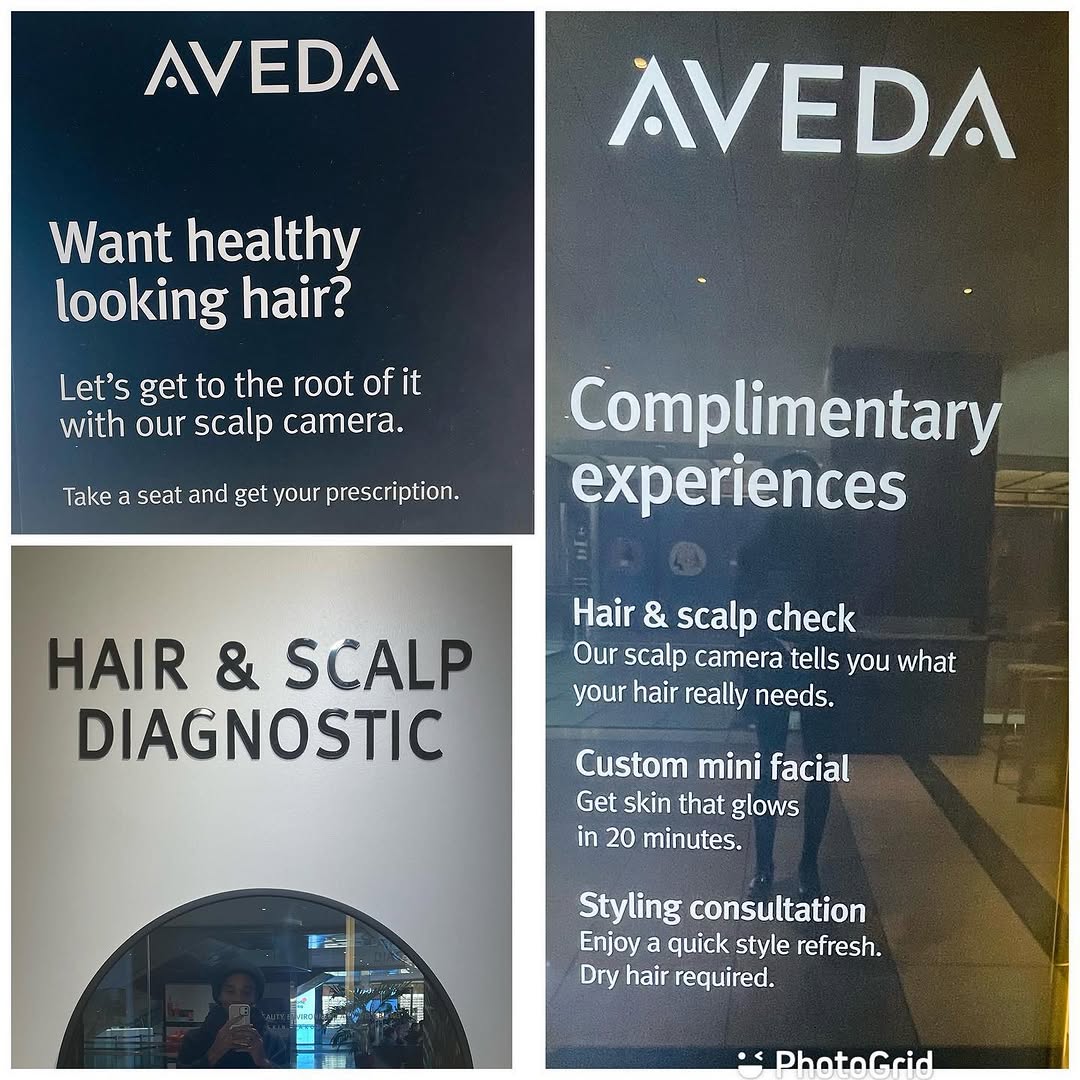
If you start to notice changes in your hair or scalp such as itching, pain, bleeding, bumps, scale, or thinning, it is crucial to seek professional help. Dr. Fadeyi advises against starting with a 'complimentary' hair diagnostic session at places like Aveda, a trip to 'Dr. Google,' or a three-month trial of products. Delays in diagnosis and treatment can worsen the problem and potentially result in the permanent loss of hundreds of precious follicles.
How does Dr. Fadeyi correct a 'gummy smile'?
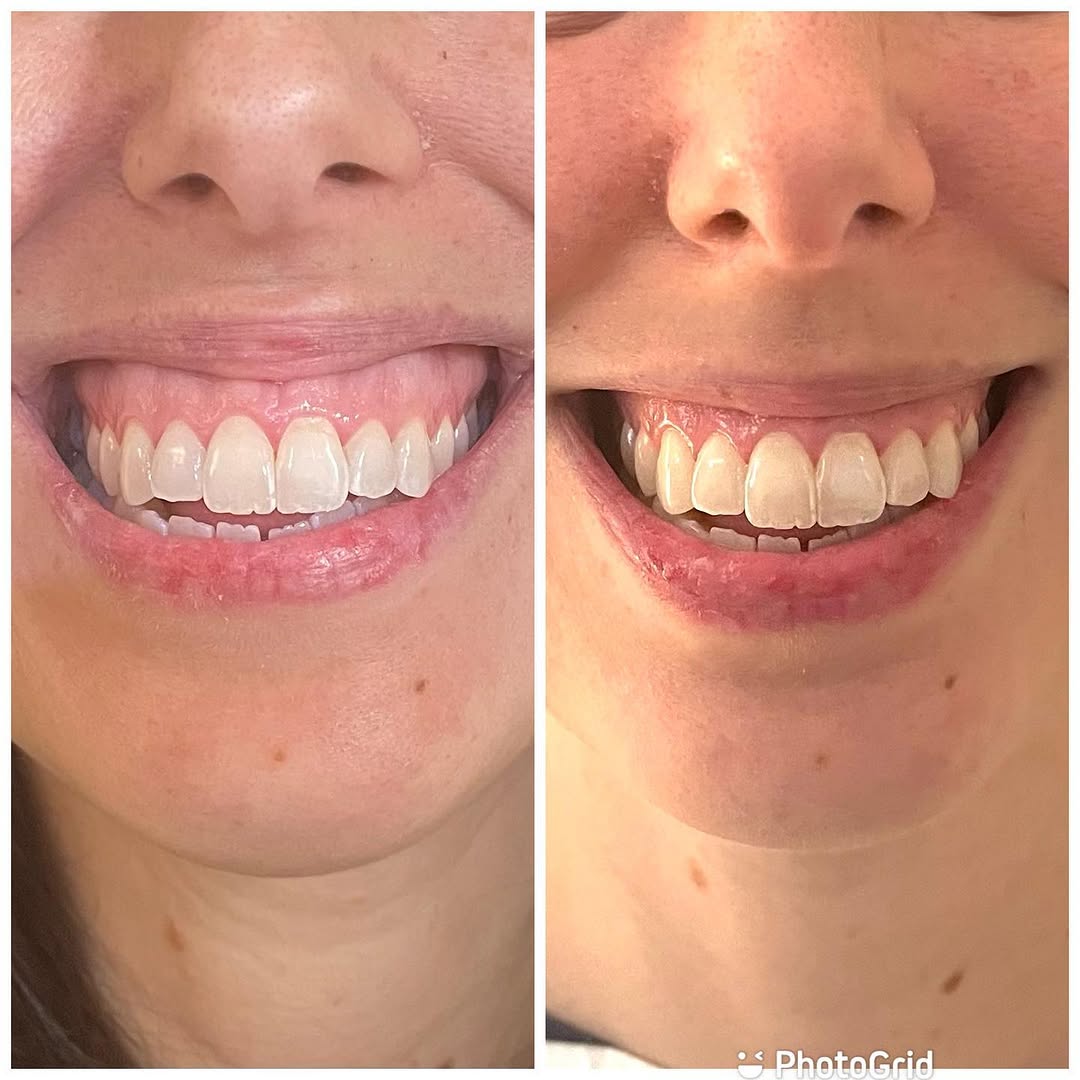
For a 'gummy smile' (excessive gingival show), Dr. Fadeyi uses Dysport injections. She places four injections to specifically target and gently relax the group of muscles responsible for raising the upper lip, while maintaining lateral movement. This reduces gingival show, resulting in a more beautiful and harmonious smile. This procedure typically takes ten minutes.
What should patients know about Ozempic and hair loss?
Hair loss may be a potentially devastating side effect of Ozempic. Any rapid weight loss, which can occur with Ozempic, can lead to telogen effluvium, a type of hair shedding. While androgenetic alopecia (male and female pattern hair loss) generally worsens over time and can be permanent, the perception of hair loss with Ozempic varies. If Ozempic is taken for a chronic condition like diabetes or obesity, hair loss may be a tolerable trade-off. However, if it's taken for cosmetic weight loss (e.g., to go from a size 6 to a size 2), any hair loss, whether temporary or permanent, is likely to be perceived very differently and may be less tolerable.
What are Dr. Fadeyi's favorite sunscreens?
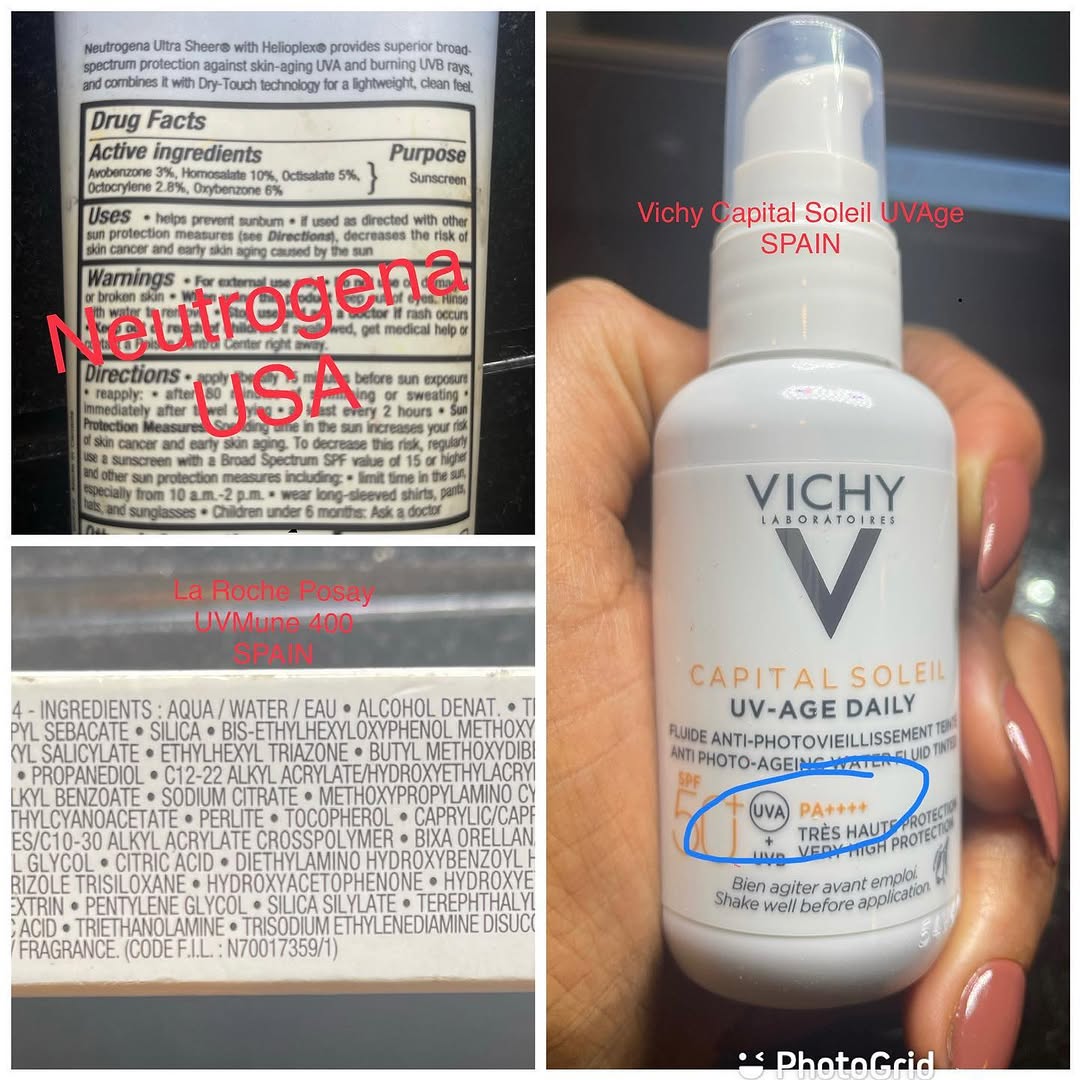
Dr. Fadeyi's favorite sunscreens include La Roche Posay UVMune 400, La Roche Posay Anthelios Age Correct, Heliocare 360 Sport Stick, and Heliocare 360 Color Gel Oil Free in Bronze Intense.
What are the key differences in US and EU sunscreen labeling and ingredients?
In the US, the FDA regulates sunscreens as over-the-counter drug products, which results in long approval processes and a scarcity of approved ingredients compared to the EU. Currently, only Avobenzone, Titanium Dioxide, and Zinc Oxide provide good UVA protection in US sunscreens. In the EU, product labels do not feature a convenient list of 'active ingredients' or trade names; instead, they list chemical names. However, European sunscreens often contain a wider range of advanced UVA filters such as Mexoryl® XL (drometrizole trisiloxane), Mexoryl® SX (Ecamsule), Mexoryl® 400 (UVMune 400), Tinosorb® S (Bemotrizinol), Tinosorb® M (Bisoctrizole), Triasorb™ (Phenylene Bis-Diphenyltriazine), Uvinul®A Plus, and Uvinul® T 150. EU labels also feature symbols like the UV Circle, indicating that 1/3 of the SPF is designated for UVA protection, and a UVA protection index (e.g., '++++' for up to 95% UVA filtration).
Does Dr. Fadeyi have tips for buying sunscreen in Europe?
Yes, Dr. Fadeyi recommends setting aside time to shop at a corner pharmacy while traveling in the EU. She advises visiting the pharmacy more than once to preview the landscape and get samples. Pharmacists always have free samples behind the counter, which she suggests using for a couple of days to assess how they look on your skin before making a purchase.