
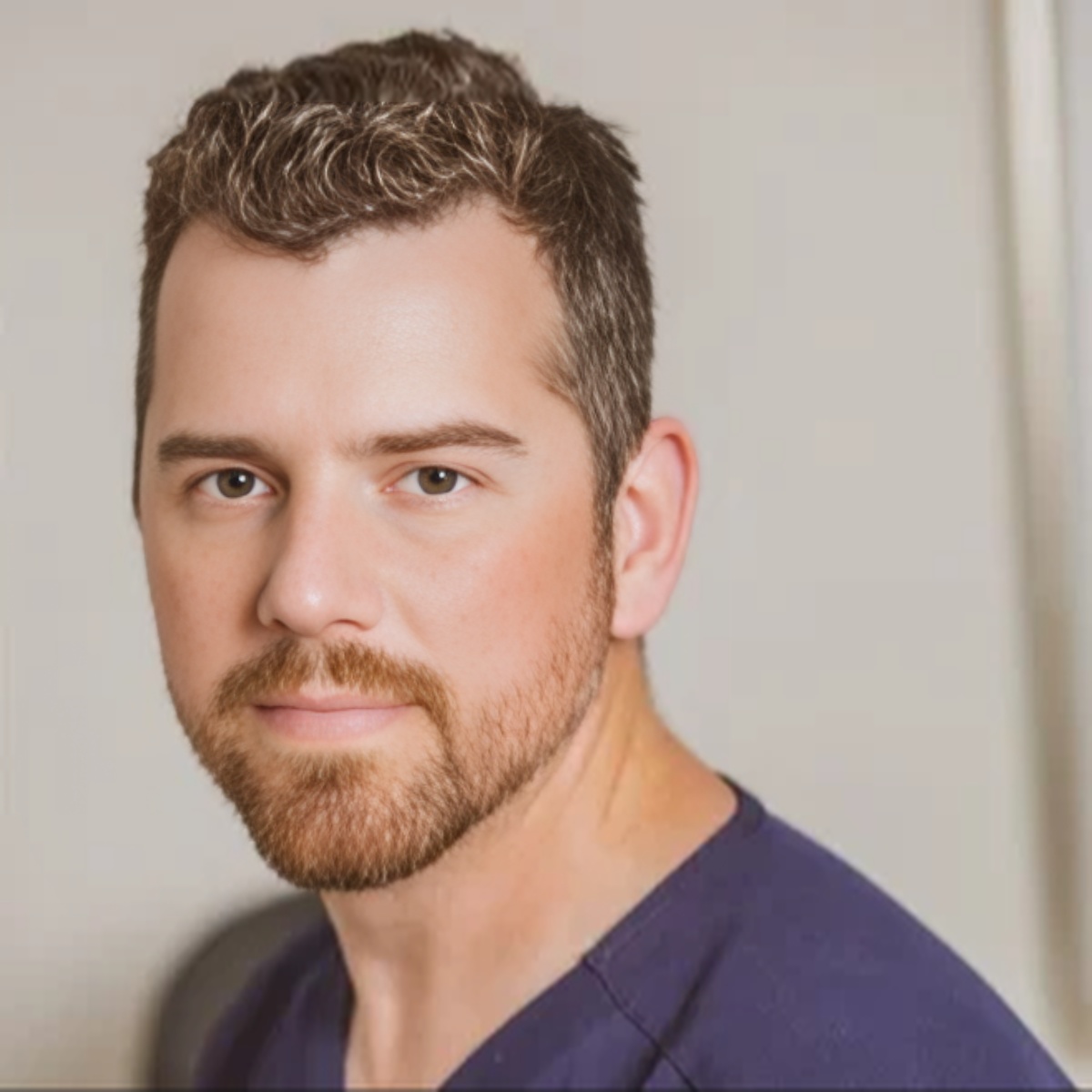
Dr. Daniel J. Gould, MD, PhD
Board Certified Plastic Surgeon
13+ years of experience · self-reported
In Dr. Daniel J. Gould's own words
How Dr. Daniel J. Gould describes their own approach, from their TikTok posts. Each statement links to the original.
Approach
- The practice closely monitors patients and adjusts treatment pace (e.g., readiness for next steps or slowing down) based on observations.TikTok ↗
Technique
- From the shell to the material inside, they are the best implant we can use for paitentsTikTok ↗
- Liposuction is an important component of a tummy tuck to achieve a great shape and an hourglass figure.TikTok ↗
- We're not just pulling skin down from above. We need to lift skin up from below and improve the quality of the shape of that area tooTikTok ↗
- Before her deep plane face lift, we first removed a significant amount of fillerTikTok ↗
- Additionally, an Endoscopic approach offers a scarless solutionTikTok ↗
- A phenomenal jawline can be achieved by going below the muscle, removing heavy material, and creating new tension with the muscle along the jawline.TikTok ↗
Recovery guidance
- The doctor provides extensive aftercare due to the long internal healing process.TikTok ↗
Statements are quoted or closely paraphrased from Dr. Daniel J. Gould's own public posts and are their claims, not NavMDs' medical advice. Doctors can correct or remove any item via their claimed profile or support [at] navmds.com.
About
Connect with Dr. Daniel J. Gould on Social Media
Specialties
- Board Certified Plastic Surgeon
Procedures & Services
Select a service to schedule an appointment · each is approximately 60 minutes
Procedure details
Everything on this page about each procedure Dr. Daniel J. Gould offers: pricing in context, what they've said about it, related videos and photos, and what patients ask.
Questions, Answers, and Information Directly from Dr. Daniel J. Gould
Sourced directly from Dr. Daniel J. Gould's social posts and replies.
What patients ask Dr. Daniel J. Gould
Questions people asked under Dr. Daniel J. Gould's TikTok videos, 7 answered by the doctor.
Can you elaborate on some of the 'things to NEVER do' in plastic surgery? What are the biggest red flags for patients?
asked on TikTok ↗· 400 engagements
What is the typical recovery time before I can return to a desk job after a tummy tuck?
asked on TikTok ↗· 300 engagements
How do Motiva implants address concerns like Breast Implant Illness (BII) or capsular contracture?
asked on TikTok ↗· 290 engagements
What is paradoxical adipose hyperplasia (PAH) and how common is it with CoolSculpting?
asked on TikTok ↗· 280 engagements
Are there any effective non-surgical options for treating jowls, or is a facelift truly the only way to get significant results?
asked on TikTok ↗· 270 engagements
How long do I need to wear a compression garment after a tummy tuck, and is it uncomfortable?
asked on TikTok ↗· 220 engagements
When is the best time to start using scar gel after surgery, and does it work on older scars too?
asked on TikTok ↗· 170 engagements
What are your top 4 essential points for someone considering a Tummy Tuck? Specifically, what should I prepare for?
asked on TikTok ↗· 320 engagements· not yet answered
What is a deep plane facelift, and how does it differ from other facelift techniques in terms of results and recovery?
asked on TikTok ↗· 230 engagements· not yet answered
What exactly does 'Board Certified Plastic Surgeon' mean, and how can I verify a surgeon's credentials?
asked on TikTok ↗· 190 engagements· not yet answered
Are you Dr. Daniel J. Gould? 3 of these questions are waiting for an answer. Claim your profile to respond.
Questions are from public comments, shown without the commenter's name. Answers are Dr. Daniel J. Gould's own statements from their videos and replies, not NavMDs' medical advice.
Videos from Dr. Daniel J. Gould
@doctorgould on TikTok →Videos posted on TikTok by @doctorgould. Press play to watch here, or open the original on TikTok.
Unpopular Opinion: Mositurizing at night is pointless!
3.6M views · Jun 2022 · TikTok ↗
Tummy Tuck Recovery Timeline!
953.3K views · Jul 2022 · TikTok ↗
Best scar gel out there - @HealFast makes a pure medical grade silicone that can improve scars wi…
607.4K views · Aug 2024 · TikTok ↗
Motiva Implants represent the most significant advancement in breast implants over the last 20 ye…
565.3K views · Dec 2024 · TikTok ↗
Before her deep plane face lift, we first removed a significant amount of filler. Using ultrasoun…
484K views · Mar 2026 · TikTok ↗
Fixing Jowls? Facelift surgery remains the most effective method for significant jowl correction.…
467.9K views · Dec 2023 · TikTok ↗
From Dr. Daniel J. Gould's Instagram
@dr.gouldplasticsurgery →Recent photos posted by @dr.gouldplasticsurgery, Dr. Daniel J. Gould's own Instagram account. Each image opens the original post on Instagram.

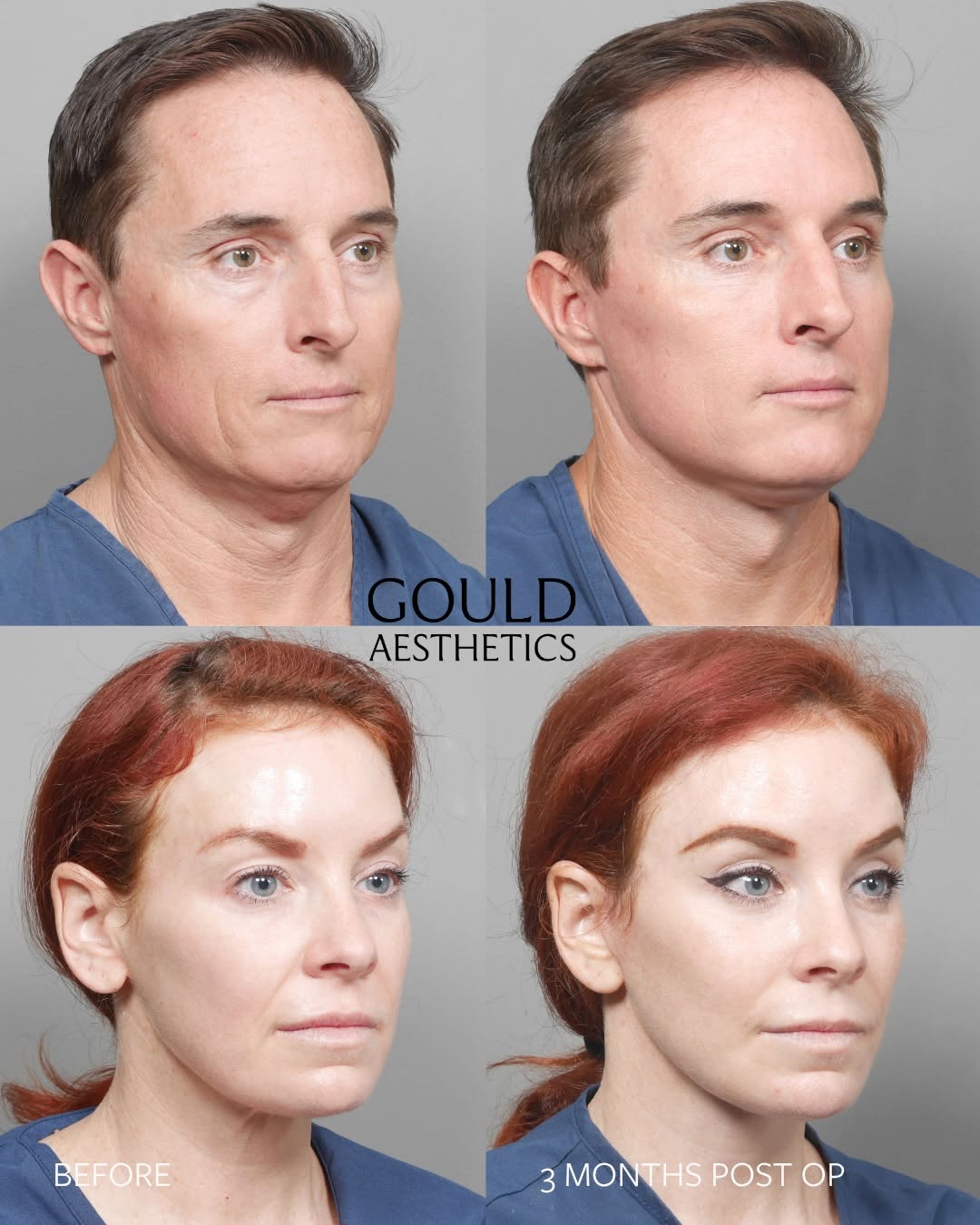
Images © Dr. Daniel J. Gould / @dr.gouldplasticsurgery, shown here with a link to the original post. Procedure labels are inferred from the post's caption and hashtags. If you are the account owner and want an image removed, contact support [at] navmds.com.
Technologies & brands Dr. Daniel J. Gould mentions
Devices, implants, injectables and products named in Dr. Daniel J. Gould's own posts and videos. A mention is not an endorsement; ask the office what they currently offer.
Patient Experience
Dr. Daniel J. Gould Review Summary
Ratings from Other Platforms
Gould Plastic Surgery
120 S Spalding Dr #330, Beverly Hills, California
Book a Service Consultation
Each service is approximately 60 minutes.
Industry Payments
Federal law (the Physician Payments Sunshine Act) requires drug and medical-device companies to report anything of value they give to a physician — consulting and speaking fees, research funding, travel, royalties, and even meals. Medicare publishes all of it in a public database called Open Payments. We show it here so you don't have to go looking for it.
Total received (2024)
$41,055
Payments
115
Compared to peers
Above average
Dr. Daniel J. Gould received $41,055 across 115 payments in 2024. That is higher than about 89% of the physicians here who received any industry payment. Most of it was categorised as consulting fee, and the largest single payer was ABBVIE INC..
What this means for your care
- A disclosed payment is a business relationship, not evidence of wrongdoing, and it says nothing on its own about the quality of your care.
- Most payments are small. Across the physicians listed on NavMDs, the single most common category is food and beverage at industry-sponsored talks.
- Larger consulting, speaking or royalty payments mean an ongoing financial relationship with a company whose products your doctor may use or recommend. That is worth knowing about, and it is reasonable to ask about.
- A fair question to ask: “Do you have a financial relationship with the maker of the implant, filler or device you're recommending — and what alternatives did you consider?”
Source: CMS Open Payments, the federal database created by the Sunshine Act. View the full record on CMS Open Payments ↗
Insurance Information
Please contact Dr. Daniel J. Gould's office directly for information about accepted insurance plans.
Help us improve this profile
Do you know which insurance plans Dr. Daniel J. Gould accepts? Share this information to help other patients.
Location & Contact Information
Gould Plastic Surgery
120 S Spalding Dr #330
Beverly Hills, California 90212
Office Information
Where does Dr. Daniel J. Gould practice?
Doctor's Office
Gould Plastic Surgery (Primary)
120 S Spalding Dr #330, Beverly Hills, California 90212
Hospital Affiliations
Hospital affiliations unknown
Do you know which hospitals Dr. Daniel J. Gould is affiliated with? This information helps patients understand where they might receive care.
Education & Experience
Education
Certifications & Licenses