
NavMDs
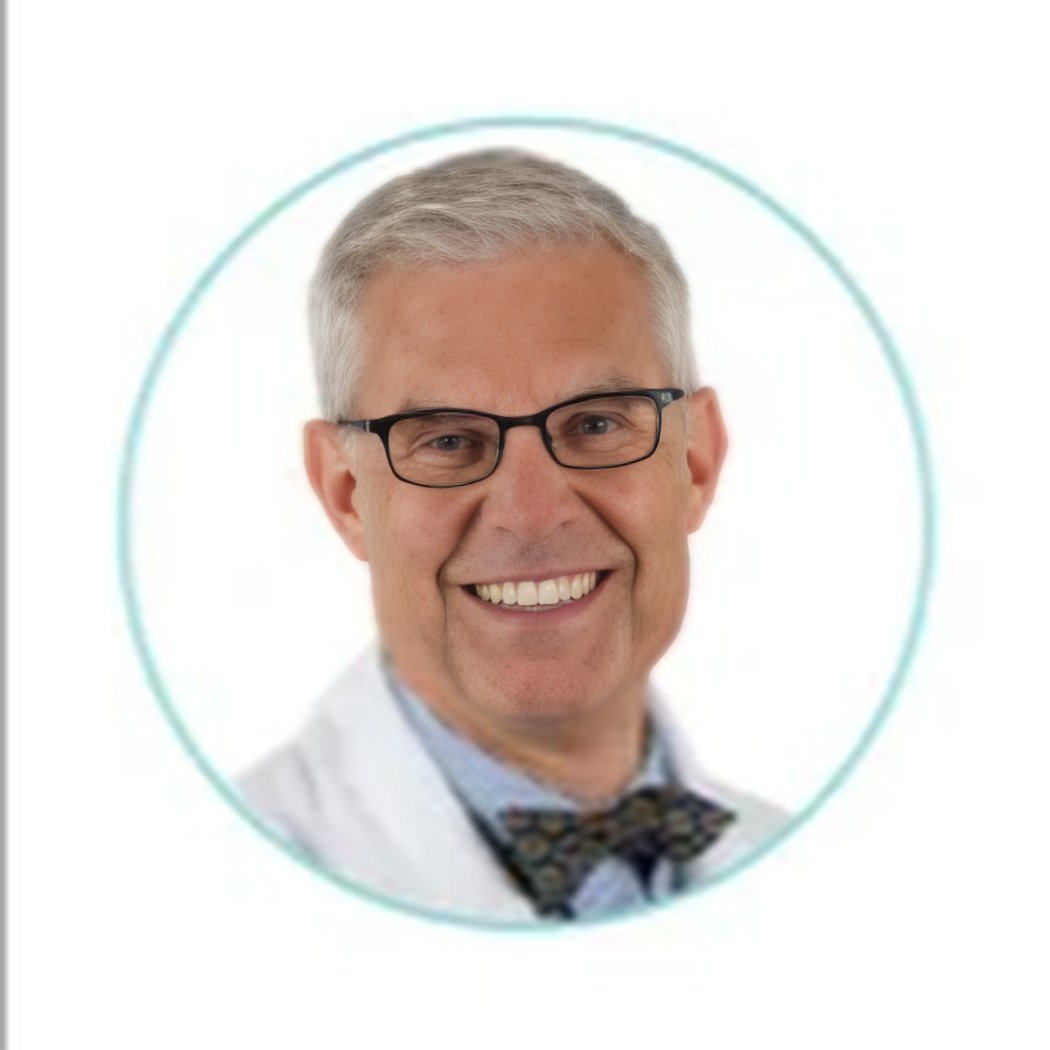
Dr. Clifford Gluck, MD, FACS - Physician in Hingham, Massachusetts

Dr. Clifford Gluck, MD, FACS

Physician

Hingham, Massachusetts
Telehealth ↗
NPI: 1851393342· License: 57617 (MA) verify
Medical school: University Of California, Geffen School Of Medicine · Graduated 1984(~42 yrs since med school)
Industry payments (2025): $607 across 29 payments (what this means)
4.74(51 ratings)

In Dr. Clifford Gluck's own words

How Dr. Clifford Gluck describes their own approach, from their Instagram posts. Each statement links to the original.

Approach

  • The practice's philosophy is to treat individuals holistically rather than solely based on laboratory numbers.
  • Dr. Clifford Gluck's practice may recommend driving other modifiable cardiovascular risks lower, such as LDL cholesterol and ApoB, if a patient's lipoprotein little a is high.
  • When cancer control is the priority, Dr. Clifford Gluck, MD, FACS's practice uses ablatherm to treat the entire gland with a continuous overlapping ablation while protecting the urinary sphincter, rectum, and surrounding structures.

Specialization

  • Dr. Clifford Gluck specializes in prostate cancer, focusing on the comparison between active surveillance, radical surgery, radiation, and non-invasive techniques such as HIFU, nano knife, TULSA, and focal laser ablation.
  • Specializes in HRT (Hormone Replacement Therapy)

Technique

  • Dr. Clifford Gluck, MD, FACS's practice uses HIFU focally or as a hemigland treatment in carefully selected men.
  • Dr. Clifford Gluck pre-plans the treatment for each lesion using the HIFU machine, which immediately destroys the cancer.

Technology

  • Dr. Clifford Gluck's practice may use or recommend a coronary artery calcium (CAC) scan to gain more insight into arterial health when a treatment decision is unclear.
  • Dr. Clifford Gluck's practice utilizes a robotic HIFU machine for procedures.

Training & credentials

  • Kelly and I share a deep interest in urology, sexual health, hormones, and helping patients better understand the science behind their health
  • Dr. Clifford Gluck has been performing HIFU for years.

Safety

  • Dr. Clifford Gluck's practice carefully avoids critical structures like the rectum, sphincter, and nerves during HIFU procedures, and can clearly visualize the neurovascular bundle to protect it.

Statements are quoted or closely paraphrased from Dr. Clifford Gluck's own public posts and are their claims, not NavMDs' medical advice. Doctors can correct or remove any item via their claimed profile or support [at] navmds.com.

About

Dr. Clifford Gluck, MD, FACS, is a Board-Certified Urologist practicing in Hingham, Massachusetts, also performing procedures in Boston and Carver. He specializes in urology, sexual wellness for both men and women, and Hormone Replacement Therapy (HRT), including testosterone and menopause management. Dr. Gluck emphasizes treating individuals holistically, stating, "We don’t treat laboratory numbers. We treat people." He believes "statistically normal isn’t necessarily biologically optimal" and focuses on restoring optimal cellular function. For prostate cancer, he utilizes a clinical decision framework to integrate therapies like High-Intensity Focused Ultrasound (HIFU), TULSA, and NanoKnife. He notes HIFU is an outpatient procedure with no incision, cutting, or radiation, aiming to destroy cancer while preserving urinary continence, sexual function, and quality of life. His approach involves thorough testing to identify underlying problems, using hormones to replace true deficiencies rather than as blind stimulants.

Connect with Dr. Clifford Gluck on Social Media

Specialties

  • Physician

Procedures & Services

Select a service to schedule an appointment · each is approximately 60 minutes

Questions, Answers, and Information Directly from Dr. Clifford Gluck

Sourced directly from Dr. Clifford Gluck's social posts and replies.

What is Dr. Gluck's approach to High-Intensity Focused Ultrasound (HIFU) for prostate cancer?
Dr. Gluck utilizes HIFU to precisely target prostate cancer, employing advanced imaging and robotic treatment planning to ablate cancer-containing areas millimeter by millimeter. This outpatient treatment involves no incision, cutting, or radiation, with recovery typically measured in days. The primary goal is to destroy cancer while preserving urinary continence, sexual function, and quality of life. HIFU works by delivering highly focused ultrasound energy to destroy cancer cells while minimizing damage to surrounding structures. Dr. Gluck can use HIFU focally, as a hemigland treatment, or for whole-gland ablation when cancer control is the priority. He notes that whole-gland Ablatherm HIFU has shown strong published cancer-eradication results based on follow-up biopsies.
How should patients interpret creatinine levels, especially when taking creatine supplements?
Creatinine is a marker of kidney function, not kidney function itself. Creatine supplementation increases the body's creatine pool, which can lead to increased creatinine production, making kidney function appear worse on paper even if filtration is normal. Factors like muscle mass, strenuous exercise, dehydration, and diet can also influence creatinine. Dr. Gluck recommends that before repeating kidney function tests, patients should stop creatine for at least 7 days, avoid hard exercise for 48-72 hours, avoid large cooked-meat meals the day before, and arrive normally hydrated. For muscular individuals or those taking creatine, Cystatin C testing may provide a more accurate estimate of kidney filtration as it's less influenced by these factors. Persistent abnormalities still require proper medical evaluation.
What is Dr. Gluck's advice on body recomposition (losing fat and gaining muscle)?
Dr. Gluck explains that simultaneous fat loss and muscle gain is possible. This involves resistance training to stimulate muscle growth and a calorie deficit to utilize stored fat. Protein intake is crucial, providing essential amino acids for muscle growth, with benefits typically plateauing around 1.6 g/kg/day. He advises against relying solely on scale weight for progress, as it may not accurately reflect body composition changes when fat decreases and muscle increases.
What is Dr. Gluck's dietary advice regarding sugar and fruit?
Dr. Gluck emphasizes that the impact of sugar depends on its 'delivery system.' Whole fruit, unlike refined or liquid sugar, provides fiber, water, vitamins, minerals, and polyphenols, leading to slower sugar absorption and greater satiety. Large amounts of rapidly absorbed fructose, especially from sweetened beverages, can contribute to liver fat, higher triglycerides, insulin resistance, and weight gain. Chronically elevated glucose can increase glycation, damaging blood vessels and tissues. Dr. Gluck recommends minimizing added sugar and liquid sugar, prioritizing intact, fiber-rich foods, and eating whole fruit rather than drinking large quantities of juice.
How does Metformin work and what is its role in managing insulin resistance?
Metformin helps insulin resistance by working in multiple ways: it reduces the liver's production of new glucose (hepatic gluconeogenesis), improves insulin sensitivity, and allows muscle and other tissues to take up glucose more efficiently. It also influences glucose handling, bile-acid signaling, incretin activity in the intestine, and possibly the gut microbiome. This results in lower fasting glucose, lower A1c, and less insulin required for glucose control. When taken alone, Metformin rarely causes hypoglycemia and is generally weight-neutral or may cause modest weight loss. However, Dr. Gluck emphasizes that Metformin is not the complete solution; nutrition, exercise, muscle building, sleep, and weight management remain the foundational treatments for insulin resistance, which can also be driven by visceral fat, low muscle mass, inactivity, poor sleep, and refined/processed foods.
What is Dr. Gluck's comprehensive approach to prostate cancer treatment and evaluation?
Dr. Gluck employs a clinical decision framework for integrating various focal and definitive therapies for prostate cancer, recognizing that treatment is not always appropriate and decisions are becoming more complex. He discusses and integrates options such as High-Intensity Focused Ultrasound (HIFU), TULSA, NanoKnife/IRE, focal laser ablation, cryotherapy, radiation, and radical prostatectomy. Personalized treatment planning is guided by MRI findings, biopsy data, genomic risk assessment, and the patient's quality-of-life priorities. He emphasizes that evaluating treatment success should not solely rely on PSA or MRI, but rather on follow-up biopsies, as prostate cancer is frequently multifocal and MRI may not reveal the full extent of the disease or unseen tumors. Structured decision-making supports better patient counseling, functional outcomes, oncologic safety, and personalized care.
What is Dr. Gluck's perspective on Lp(a) and cardiovascular risk assessment?
Lp(a) is an LDL-like particle and an independent cardiovascular risk factor. Dr. Gluck clarifies that an elevated Lp(a) alone does not automatically necessitate statin treatment, as statins are not effective in lowering Lp(a) and may even slightly raise it. When Lp(a) is elevated, the focus shifts to lowering other modifiable cardiovascular risks like LDL and ApoB. His comprehensive risk assessment considers multiple factors beyond Lp(a), including LDL, ApoB, blood pressure, smoking, diabetes, family history, age, and the presence of atherosclerosis. A coronary artery calcium (CAC) scan may be used for additional context when treatment decisions are unclear. He advises patients to know and respect their Lp(a) levels but emphasizes that treatment decisions should not be based on Lp(a) in isolation, aligning with his philosophy of treating individuals holistically.
What is Dr. Gluck's approach to thyroid function and optimization?
Dr. Gluck explains that the thyroid gland does much more than prevent hypothyroidism, acting as the body's metabolic accelerator. Every cell has thyroid hormone receptors, and active thyroid hormone (T3) activates genes for mitochondrial function, energy production, and metabolism. As people age, thyroid hormone production and T4 to T3 conversion may change, leading to suboptimal cellular thyroid signaling even with 'normal' lab values. Symptoms can include fatigue, brain fog, weight gain, cold intolerance, and difficulty building muscle. Dr. Gluck emphasizes that statistically normal isn't necessarily biologically optimal. He notes that natural desiccated thyroid contains both T4 (reservoir) and T3 (active hormone). The goal of treatment is not hyperthyroidism, but to restore thyroid signaling for efficient cellular energy production, viewing thyroid optimization as mitochondrial optimization. He highlights the interplay: Testosterone builds, Growth hormone repairs, and Thyroid hormone provides the energy for both.
How does Dr. Gluck approach the investigation and treatment of fatigue?
Dr. Gluck views fatigue not as a diagnosis, but as a signal that something in the body's energy system may not be working. Cellular energy production, dependent on mitochondria, relies on sleep, circulation, thyroid function, hormones, and nutrients. Before attributing fatigue to age or relying on stimulants like coffee, he recommends investigating what might be missing. Possible contributors include anemia, deficiencies in B12, folate, Vitamin D, or Magnesium, sleep apnea, insulin resistance, chronic inflammation, and insufficient protein. Hormonal imbalances (thyroid, testosterone, estradiol, progesterone, cortisol) can also play a role, but hormones should only replace a true deficiency after testing. Initial recommended tests include blood count, iron, ferritin, B12, folate, Vitamin D, glucose/insulin markers, and thyroid function, with additional hormone tests as appropriate. Corrective actions focus on improving sleep, building muscle, adequate protein intake, exercise, addressing inflammation, and restoring true deficiencies or hormones when clinically indicated. He emphasizes that fatigue is not laziness and should not be dismissed as aging, but rather understood and addressed at its root.
Can women take Viagra or Cialis for sexual dysfunction, and how do these medications work?
Yes, women can take Viagra (sildenafil) or Cialis (tadalafil). Dr. Gluck clarifies that desire (libido) is the brain's interest in sexual activity, involving signals like dopamine, testosterone, and estrogen, and these PDE5 inhibitors do not directly create desire. Arousal, however, is the physical response, and women do have erectile tissue. During sexual stimulation, nitric oxide and cyclic GMP increase genital blood flow, engorgement, lubrication, warmth, and sensation. Viagra and Cialis work by slowing the breakdown of cyclic GMP, thereby amplifying a physical arousal response that sexual stimulation has already initiated. These medications may be relevant for women who have desire but struggle with an adequate physical arousal response, with possible benefits seen in selected women with antidepressant-associated sexual dysfunction, diabetes, genital arousal disorder, or inadequate sensation affecting orgasm. It's important to note that these medications are not FDA-approved specifically for female sexual dysfunction, so their use is off-label and individualized. If the brain isn't generating sexual interest, increasing genital blood flow alone is unlikely to solve the problem.

From Dr. Clifford Gluck's Instagram

@dr.gluckswellnesscenter →

Recent photos posted by @dr.gluckswellnesscenter, Dr. Clifford Gluck's own Instagram account. Each image opens the original post on Instagram.

Images © Dr. Clifford Gluck / @dr.gluckswellnesscenter, shown here with a link to the original post. Procedure labels are inferred from the post's caption and hashtags. If you are the account owner and want an image removed, contact support [at] navmds.com.

Patient Experience

Dr. Clifford Gluck Review Summary

4.7
Dr. Gluck has excellent ratings overall! He has a 5.0 rating based on one review, a 4.3 on Healthgrades, and a 4.9 on Google. This averages out to a 4.7, indicating very satisfied patients.

Ratings from Other Platforms

healthgrades.com

4.3 out of 5

Based on 27 reviews

View on healthgrades.com

Google Reviews

4.9 out of 5

Based on 74 reviews

View on Google Reviews
Dr. Clifford Gluck, MD, FACS - Physician in Hingham, Massachusetts

Main Office

72 Sharp St A10, Hingham, Massachusetts

(781) 337-6737

Book a Service Consultation

Each service is approximately 60 minutes.

Industry Payments

Federal law (the Physician Payments Sunshine Act) requires drug and medical-device companies to report anything of value they give to a physician — consulting and speaking fees, research funding, travel, royalties, and even meals. Medicare publishes all of it in a public database called Open Payments. We show it here so you don't have to go looking for it.

Total received (2025)

$607

Payments

29

Compared to peers

Modest

Dr. Clifford Gluck received $607 across 29 payments in 2025. That is higher than about 57% of the physicians here who received any industry payment. Most of it was categorised as food and beverage, and the largest single payer was Antares Pharma, Inc..

What this means for your care

  • A disclosed payment is a business relationship, not evidence of wrongdoing, and it says nothing on its own about the quality of your care.
  • Most payments are small. Across the physicians listed on NavMDs, the single most common category is food and beverage at industry-sponsored talks.
  • Larger consulting, speaking or royalty payments mean an ongoing financial relationship with a company whose products your doctor may use or recommend. That is worth knowing about, and it is reasonable to ask about.
  • A fair question to ask: “Do you have a financial relationship with the maker of the implant, filler or device you're recommending — and what alternatives did you consider?”

Source: CMS Open Payments, the federal database created by the Sunshine Act. View the full record on CMS Open Payments ↗

Insurance Information

Please contact Dr. Clifford Gluck's office directly for information about accepted insurance plans.

Phone: (781) 337-6737

Help us improve this profile

Do you know which insurance plans Dr. Clifford Gluck accepts? Share this information to help other patients.

Location & Contact Information

Main Office

72 Sharp St A10

Hingham, Massachusetts 02043

Office Information

Phone: (781) 337-6737

Where does Dr. Clifford Gluck practice?

Doctor's Office

Main Office (Primary)

72 Sharp St A10, Hingham, Massachusetts 02043

(1 reviews)

Hospital Affiliations

South Shore Hospital and Carney Hospital

Help improve our data. Confirm if Dr. Clifford Gluck is affiliated with South Shore Hospital and Carney Hospital.

Education & Experience

Education

University Of California, Los Angeles David Geffen School Of

Certifications & Licenses

Facs
Certified By The American Board Of Urology

Frequently Asked Questions

Can you make an appointment with Dr. Clifford Gluck online?
The provided information doesn't specify whether online appointments can be made with Dr. Gluck. It's best to contact his office directly at (781) 337-6737 or check his website for booking options.
Does Dr. Clifford Gluck offer telehealth?
The provided information does not indicate whether Dr. Gluck offers telehealth services. Contacting his office directly is recommended for the most accurate information.
What do patients have to say about Dr. Clifford Gluck?
Patients describe having "Fabulous Results!" with Dr. Gluck.
What areas of care does Dr. Clifford Gluck cater to?
Dr. Gluck specializes in urology and sexual wellness for both men and women. His areas of expertise include treating erectile dysfunction, incontinence, prostate cancer, and other male reproductive disorders. He also offers advanced procedures such as laser treatments and laparoscopic surgery. Dr. Gluck specializes in Hormone Replacement Therapy (HRT), including testosterone and menopause management. He has a deep interest in urology, sexual health, and hormones, with a strong commitment to helping patients understand the science behind their health. His practice philosophy emphasizes treating individuals holistically, not just laboratory numbers. He believes that statistically normal lab values are not necessarily biologically optimal and aims to restore optimal cellular function, such as thyroid signaling for efficient energy production. He advocates for thorough testing to identify underlying problems before prescribing supplements or hormones, which should only be used to replace true deficiencies rather than as blind stimulants. For prostate cancer, he stresses personalized treatment planning tailored to the individual patient, integrating various focal and definitive therapies like High-Intensity Focused Ultrasound (HIFU).