
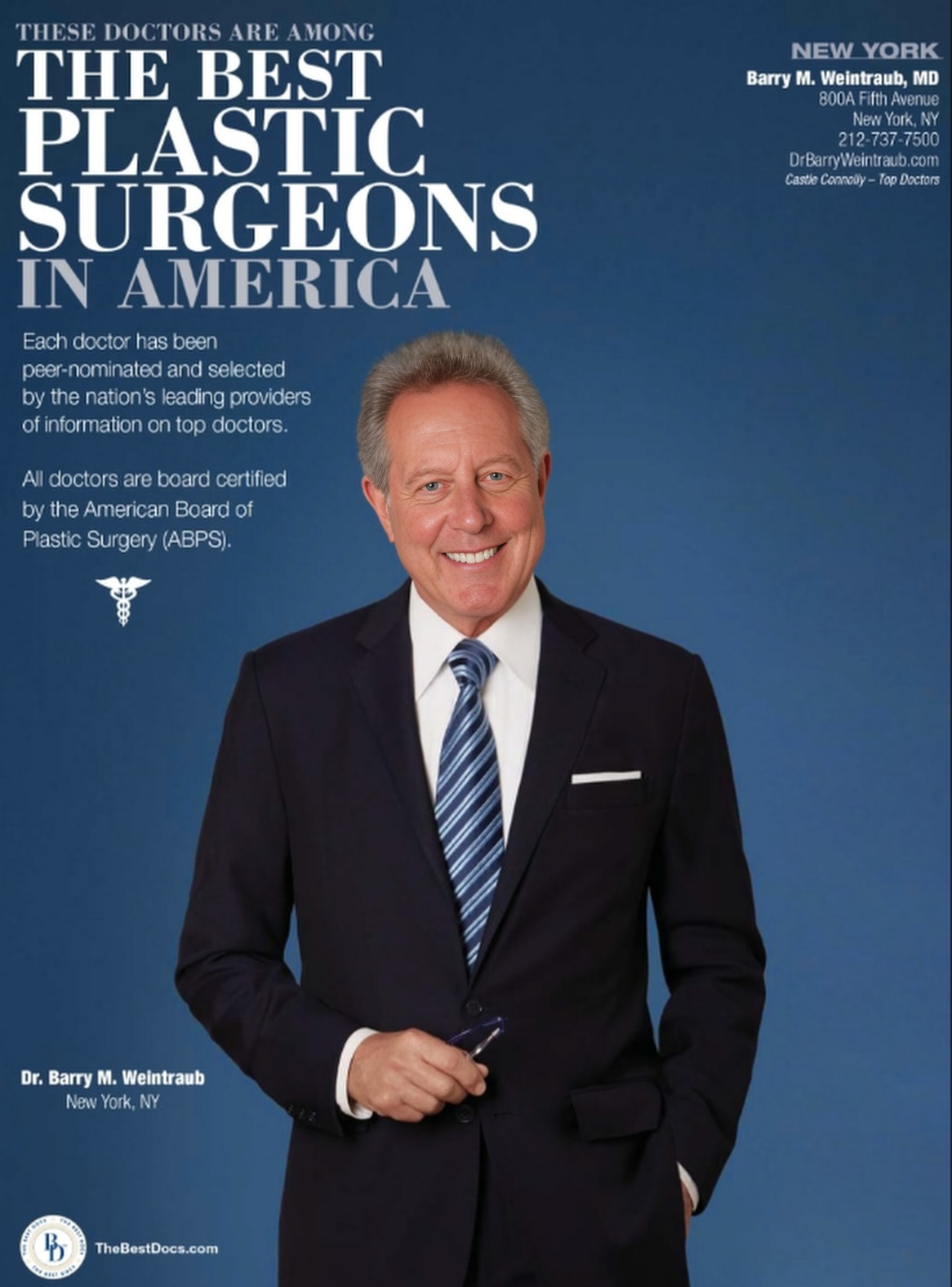
Dr. Barry M. Weintraub, MD, FACS
Plastic Surgeon
About
Connect with Dr. Barry M. Weintraub on Social Media
Specialties
- Plastic Surgeon
Procedures & Services
Select a service to schedule an appointment · each is approximately 60 minutes
Questions, Answers, and Information Directly from Dr. Barry M. Weintraub
Sourced directly from Dr. Barry M. Weintraub's social posts and replies.
Patient Experience
Dr. Barry M. Weintraub Review Summary
Ratings from Other Platforms
BeautyWorksNYC
800A 5th Ave, New York, New York
Book a Service Consultation
Each service is approximately 60 minutes.
Industry Payments
Federal law (the Physician Payments Sunshine Act) requires drug and medical-device companies to report anything of value they give to a physician — consulting and speaking fees, research funding, travel, royalties, and even meals. Medicare publishes all of it in a public database called Open Payments. We show it here so you don't have to go looking for it.
No industry payments reported. We checked Dr. Barry M. Weintraub against the CMS Open Payments database and found no payments from drug or device makers on record.
Source: CMS Open Payments, the federal database created by the Sunshine Act. Search CMS Open Payments ↗
Patient Awards
Insurance Information
Please contact Dr. Barry M. Weintraub's office directly for information about accepted insurance plans.
Help us improve this profile
Do you know which insurance plans Dr. Barry M. Weintraub accepts? Share this information to help other patients.
Location & Contact Information
BeautyWorksNYC
800A 5th Ave
New York, New York 10065
Office Information
Where does Dr. Barry M. Weintraub practice?
Doctor's Office
BeautyWorksNYC (Primary)
800A 5th Ave, New York, New York 10065
Hospital Affiliations
Help improve our data. Confirm if Dr. Barry M. Weintraub is affiliated with is a board certified plastic and reconstructive surgeon. Dr. Weintraub received his medical degree from New York Hospital.
Help improve our data. Confirm if Dr. Barry M. Weintraub is affiliated with New York. He is affiliated with Lenox Hill Hospital.
Education & Experience
Education
Certifications & Licenses